

Yawning Pain
You’re yawning, and suddenly, ouch! Your jaw hurts. That simple act of opening wide can sometimes bring on a surprising amount of discomfort. We’ve all been there, maybe feeling a pop or a sharp twinge. But why does that happens and what can you do about it?
Yawning Pain
- Yawning pain, often felt in the jaw, can happen when the jaw joint is strained or temporarily out of place during a wide opening.
- Conditions like Temporomandibular Joint (TMJ) disorders, tight jaw muscles from stress, and even arthritis can make yawning painful.
- Other symptoms that might show up with yawning pain include jaw clicking, earaches, throat discomfort, or neck pain.
- Simple self-care like warm compresses, eating soft foods, and managing stress can help ease jaw discomfort from yawning.
- If the pain is bad or keeps happening, it’s a good idea to see a doctor or dentist to figure out the real cause and get proper treatment.
Understanding Yawning Pain
You know that feeling, right? You stretch, you yawn, and suddenly, there’s this weird ache in your jaw. It’s not just you. Yawning, this automatic reflex we do when we’re tired, bored, or even just see someone else do it, can sometimes bring on a surprising amount of discomfort. It’s like your jaw is protesting the wide stretch. This pain isn’t usually a sign of something serious, but it can be really annoying and make you wonder what’s going on.
The Reflexive Action and Jaw Discomfort
Yawning is a complex reflex. While we often associate it with sleepiness, it can also be triggered by stress or even just a change in temperature. When you open your mouth wide for a yawn, your jaw joint, called the temporomandibular joint (TMJ), moves significantly. For most people, this movement is smooth and painless. However, if there’s any underlying issue with the joint or the muscles surrounding it, this wide opening can cause strain, leading to that familiar ache. It’s a temporary misalignment that puts pressure on sensitive areas.
When Yawning Triggers Pain
So, why does a simple yawn suddenly hurt? It often comes down to how your jaw is structured and the health of your TMJ. If you have a condition like TMJ disorder, or if your jaw muscles are already tense from stress or teeth grinding (bruxism), the extra stretch from a yawn can push things over the edge. It’s like stretching a sore muscle – it just doesn’t feel good. Sometimes, pain can even feel like it’s coming from somewhere else, like your ear or teeth, a phenomenon known as referred pain.
The Link Between Yawning and Jaw Pain
The connection between yawning and jaw pain is pretty direct. Think of your jaw as a hinge. When you yawn, that hinge opens wide. If the hinge is a bit stiff, or if the surrounding structures are inflamed or stressed, that wide opening can cause pain. It’s not just about the yawn itself, but what might be happening in your jaw before you even start to yawn. Understanding these connections is the first step toward finding relief and preventing that unwelcome ache from ruining your stretch. If you’re experiencing frequent excessive yawning, it might be worth looking into potential causes like sleep disorders [6eae].
Common culprits include:
- Temporomandibular Joint (TMJ) disorders
- Muscle tension from stress or bruxism
- Arthritis in the jaw joint
- Dental problems causing referred pain
It’s easy to dismiss jaw pain after a yawn as just a minor inconvenience, but persistent discomfort could signal an underlying issue that needs attention. Paying attention to your body’s signals is key to managing your health effectively.
Common Causes of Yawning Pain
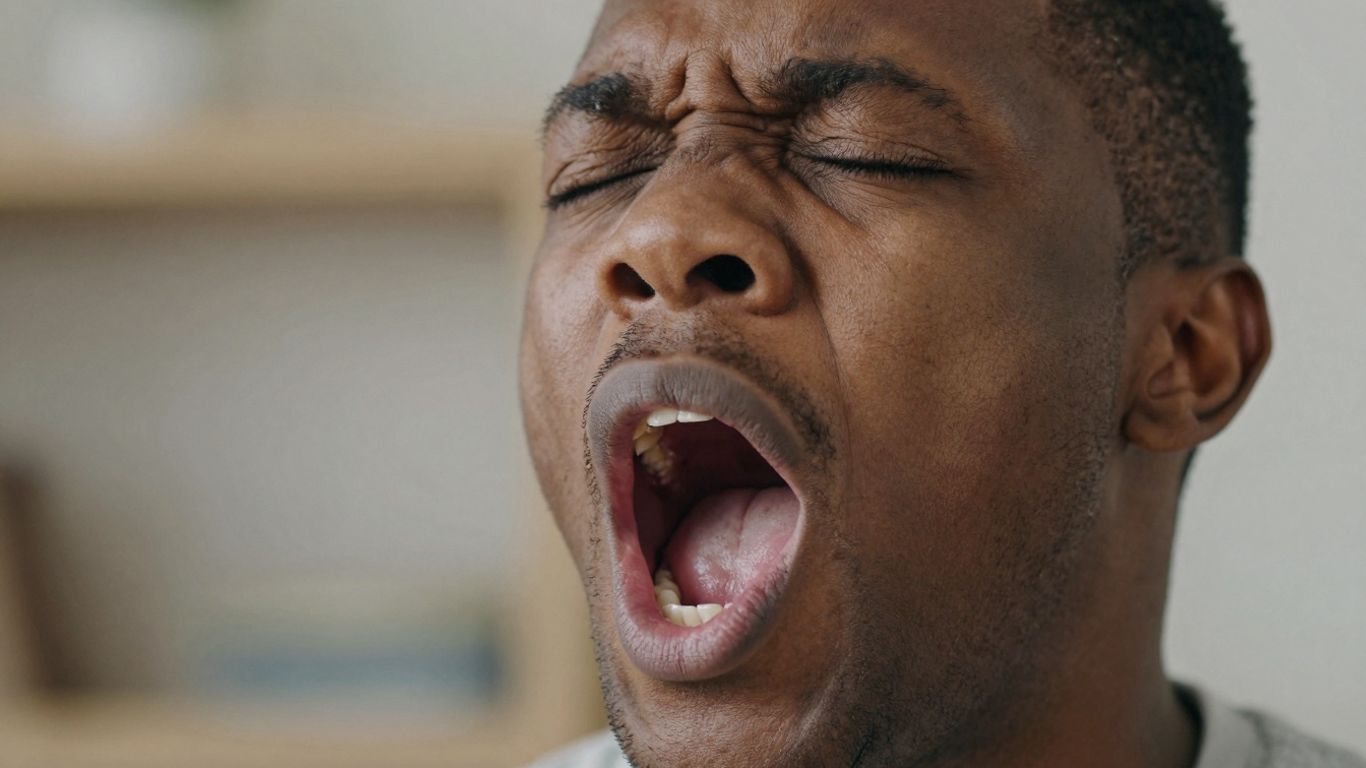
You know, that involuntary gasp for air when you’re tired or bored? Sometimes, it comes with a side of jaw pain. It’s not just you. Opening your mouth wide can put a surprising amount of stress on your jaw, especially if there’s already something going on.
Temporomandibular Joint (TMJ) Disorders
This is a big one. The temporomandibular joint, or TMJ, is that hinge connecting your jawbone to your skull. When this joint isn’t happy – maybe due to injury, wear and tear, or even just how your bite is aligned – yawning can really aggravate it. It’s like stretching a sore muscle; it just hurts more. The wide opening required for a yawn can temporarily misalign the joint or put extra pressure on already sensitive tissues, leading to that sharp or dull ache.
Excessive Stress on Jaw Muscles
Life’s pressures can manifest in some weird ways, and for many, it’s clenching their jaw or grinding their teeth, especially at night. This habit, called bruxism, keeps your jaw muscles in a constant state of tension. When you then try to yawn, you’re asking those overworked muscles to stretch way beyond their comfortable range, which can definitely cause pain. It’s not just stress, though; chewing a lot of gum or tough foods can also fatigue these muscles.
Arthritis and Jaw Joint Inflammation
Just like other joints in your body, the TMJ can be affected by arthritis. Conditions like osteoarthritis or rheumatoid arthritis can cause inflammation and pain in the jaw joint itself. When you yawn, this inflamed joint is put under significant strain, making the pain more noticeable. It’s a bit like trying to bend a stiff, swollen finger – it’s just not going to feel good.
Dental Issues and Referred Pain
Sometimes, the pain you feel in your jaw when yawning isn’t actually coming from the jaw joint or muscles at all. Problems with your teeth, like a cavity, a cracked tooth, or even gum disease, can cause what’s called referred pain. This means the pain signals get sent to your jaw area, and you feel it there, even though the source is elsewhere in your mouth. A toothache can easily feel like jaw pain, especially when the movement of yawning makes it worse.
Associated Symptoms and Conditions
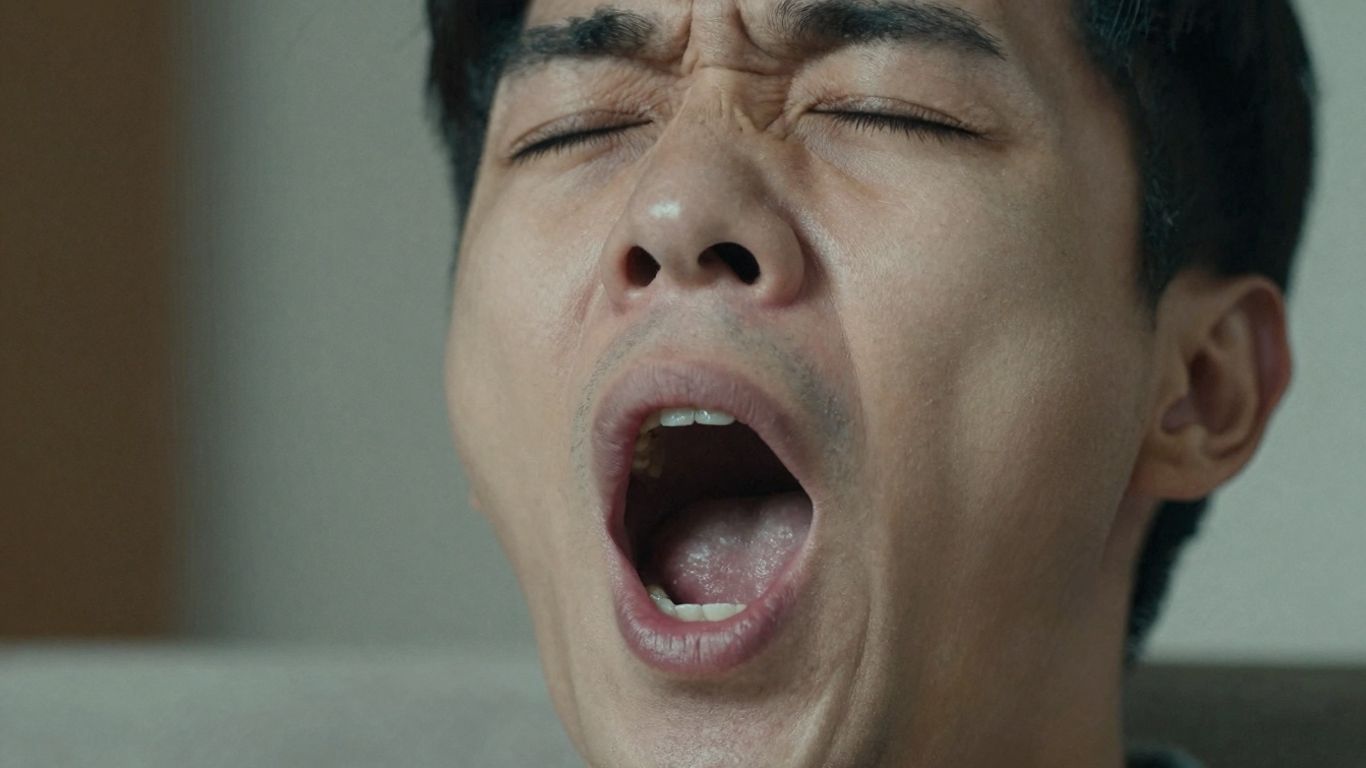
Sometimes, that wide yawn that feels like it might unhinge your jaw comes with a few extra companions. It’s not just the pain itself, but what else might be going on that’s worth paying attention to.
Jaw Cracking with Yawning
Ever let out a big yawn and heard a distinct click or pop? That’s often your temporomandibular joint (TMJ) making itself known. This joint, where your jawbone connects to your skull, can make noises for a few reasons. Sometimes it’s just the way the joint surfaces are shaped, or maybe a little disc inside the joint is out of place. When you open wide, like during a yawn, these structures can shift, causing that sound. While a one-off crack might not mean much, if it’s happening a lot, especially with pain, it could point to a TMJ disorder.
Ear Pain During Yawning
It might seem strange, but jaw pain and ear pain can be linked. The nerves in your jaw area are pretty close to your ear structures. When your TMJ is inflamed or stressed, it can send pain signals that feel like they’re coming from your ear. Think of it like a crossed wire. Conditions like TMJ disorders or even sinus pressure can cause this referred pain. So, that ache you feel in your ear might actually be originating from your jaw.
Throat Discomfort When Yawning
Opening your mouth really wide can sometimes strain the muscles in your throat and neck. If you’re already dealing with tension in those areas, perhaps from stress or poor posture, a big yawn can really aggravate it. It might feel like a sore throat or a general tightness. This is especially true if you’ve been clenching your jaw a lot during the day (a habit called bruxism) or if you have issues with your cervical spine.
Neck Pain Triggered by Yawning
Your neck and jaw are connected in more ways than one. The muscles that help you move your jaw are linked to the muscles in your neck and upper back. If these muscles are tight or out of balance, a wide yawn can pull on them, leading to neck pain or stiffness. Poor posture, like hunching over a computer, can really set the stage for this. It’s a chain reaction: jaw strain can lead to neck strain, and vice versa.
It’s easy to dismiss these extra symptoms as just part of the yawning pain, but they can offer important clues about what’s really going on. Paying attention to whether your jaw cracks, your ears ache, or your neck feels tight can help you and your doctor pinpoint the root cause more effectively.
Strategies for Relief and Prevention
Self-Care Techniques for Jaw Pain
Dealing with jaw pain when you yawn can be a real drag. Luckily, there are some simple things you can do at home to help ease the discomfort. Paying attention to how you use your jaw throughout the day is key. Try to avoid chewing gum or tough foods for a while, and stick to softer options that don’t require a lot of work. When you’re resting, make sure you’re not putting pressure on your jaw, like resting your chin on your hand. It might sound small, but these little adjustments can make a difference.
Managing Stress and Bruxism
Stress really can make your jaw muscles tense up, and if you’re clenching or grinding your teeth (that’s bruxism), it puts extra strain on everything. Finding ways to chill out is super important. Think about trying some relaxation exercises, maybe some deep breathing, or even just taking a few minutes to listen to calm music. If you suspect you’re grinding your teeth at night, a custom-made night guard from your dentist can be a lifesaver. It won’t stop the grinding, but it protects your teeth and gives your jaw muscles a break.
Home Remedies for Discomfort
Sometimes, simple remedies can offer a lot of relief. Applying a warm compress to your jaw can help relax tight muscles. Just be careful not to make it too hot. Over-the-counter pain relievers like ibuprofen or acetaminophen can also help manage pain and reduce inflammation if needed. Gentle jaw stretches, if recommended by a professional, can also improve flexibility and reduce stiffness. Just don’t push it too hard – listen to your body.
Preventing Future Yawning Pain
Prevention is definitely better than dealing with pain. Maintaining good posture, especially if you spend a lot of time at a desk or looking at screens, can help keep your jaw aligned. Avoiding habits like chewing on pens or ice is also a good idea. If your pain is linked to dental issues, getting those sorted out is a big step. And remember, regular check-ins with your dentist can catch problems early before they become painful.
Seeking Professional Guidance
So, you’ve tried some home remedies, maybe some gentle jaw stretches, and things have eased up a bit. That’s great! But if the pain when you yawn keeps coming back, or if it’s really bothering you, it might be time to chat with a professional. These self-care tricks are often just band-aids, and they don’t always get to the root of what’s going on.
When to Consult a Healthcare Provider
If that sharp twinge or dull ache when you open wide is becoming a regular thing, don’t just ignore it. It’s a signal that something might need a closer look. Persistent jaw pain, especially when linked to everyday actions like yawning, deserves attention. It could be a sign of an underlying issue that needs a professional diagnosis.
Here are a few signs it’s time to make that call:
- The pain is getting worse or happening more often.
- You’re experiencing other symptoms like clicking, popping, or locking of the jaw.
- The pain is interfering with your ability to eat, talk, or sleep comfortably.
- You’ve tried self-care, and it’s just not cutting it.
Sometimes, what feels like a simple jaw issue can be connected to other parts of your body, like your neck or even your ears. A healthcare provider can help connect those dots and figure out the whole picture.
The Role of Dental Professionals
Your dentist is often the first stop for jaw pain, especially if it’s related to your bite or the structure of your mouth. They’re trained to look at the whole system, not just your teeth. They can check out your jaw joint (the TMJ), the muscles around it, and how your teeth come together.
During an initial visit, expect them to:
- Ask about your pain and medical history.
- Gently feel the muscles in your jaw, head, and neck.
- Check how your jaw joint moves and if it makes any sounds.
- Examine your bite and the alignment of your teeth.
- Possibly take X-rays or other imaging if needed.
They’ll be looking for things like TMJ disorders, muscle strain, or even dental problems that might be sending pain signals to your jaw.
Medical Treatments for Jaw Pain
If your dentist or doctor identifies a specific problem, they’ll talk about treatment options. These can really vary depending on what’s causing the pain. It’s not a one-size-fits-all situation.
Some common approaches might include:
- Oral Appliances: These are custom-made mouthguards or splints that can help reposition your jaw or prevent teeth grinding, especially at night.
- Medications: Over-the-counter pain relievers might help, but sometimes prescription medications for inflammation or muscle relaxation are needed.
- Physical Therapy: Specific exercises can help improve jaw movement and reduce muscle tension.
- Injections: In some cases, therapeutic injections like Botox or trigger point injections might be used to relax tight muscles or reduce pain in the joint.
It’s all about finding what works best for your specific situation to get you back to yawning without the worry.
Wrapping Things Up
So, that yawn might feel pretty normal, but sometimes it can bring on some unexpected aches, whether it’s in your jaw, ear, or even your throat. We’ve looked at a few reasons why this happens, from jaw joint issues like TMJ to just plain old muscle strain from stress. The good news is, there are usually ways to find some relief. Simple things like warm compresses, taking it easy on your jaw, and managing stress can make a big difference. But if the pain sticks around or feels really bad, don’t hesitate to chat with a doctor or dentist. They can figure out exactly what’s going on and help you get back to feeling comfortable, one yawn at a time.
Frequently Asked Questions
Why does my jaw hurt when I yawn?
Sometimes, when you yawn really wide, your jaw joint might get a little out of place for a moment. This can stretch the muscles and cause a bit of pain, like a small ache or even a sharp twinge. It’s often because the joint or the muscles around it are a bit stressed or sensitive.
Could my jaw pain be from stress?
Yes, stress can definitely make your jaw hurt when you yawn! When you’re stressed, you might clench your jaw or grind your teeth without even realizing it. This extra tension can make yawning feel painful because your jaw muscles are already tight.
What is TMJ disorder and how does it relate to yawning pain?
TMJ disorder is when the joints that connect your jawbone to your skull have problems. If you have this, yawning, which opens your mouth wide, can put extra pressure on these sensitive joints and muscles, causing pain. It’s like aggravating an already sore spot.
Are there simple things I can do at home to help my jaw pain?
You can try using a warm or cold pack on your jaw to ease the soreness. Also, try to avoid opening your mouth too wide when you yawn or eat. Eating softer foods for a while can give your jaw a break. Gentle jaw relaxation exercises might also help.
When should I see a doctor or dentist about my jaw pain?
If the pain is really bad, doesn’t go away, or if you have trouble opening your mouth, it’s a good idea to see a doctor or dentist. They can figure out if it’s something simple or if you need special treatment, especially if you hear clicking or popping sounds often.
Can dental problems cause jaw pain when yawning?
Yes, sometimes dental issues like a cavity, gum problems, or a tooth infection can cause pain that feels like it’s in your jaw. This is called referred pain. Getting your dental problems fixed is often the first step to relieving that jaw discomfort.
We’d Love To Hear From You!
Call 512-255-7246 or click below to schedule an appointment.