

Neuropathy
Neuropathy is a term for when your nerves get damaged. It’s like you’ve been feeling some weird sensations, maybe a tingle or a bit of numbness. This can happen for all sorts of reasons, and it shows up in different ways for different people.
What Neuropathy Is About
- Neuropathy means your nerves are damaged, leading to symptoms like pain, numbness, or weakness.
- Many things can cause neuropathy, including diabetes, infections, genetics, and exposure to toxins.
- Symptoms vary widely, from tingling and burning sensations to muscle weakness and problems with bodily functions.
- Doctors diagnose neuropathy through medical history, physical exams, nerve tests (like EMG/NCS), and blood work.
- Treatment focuses on managing the cause, controlling pain with medication, and using therapies like physical therapy.
Understanding Neuropathy
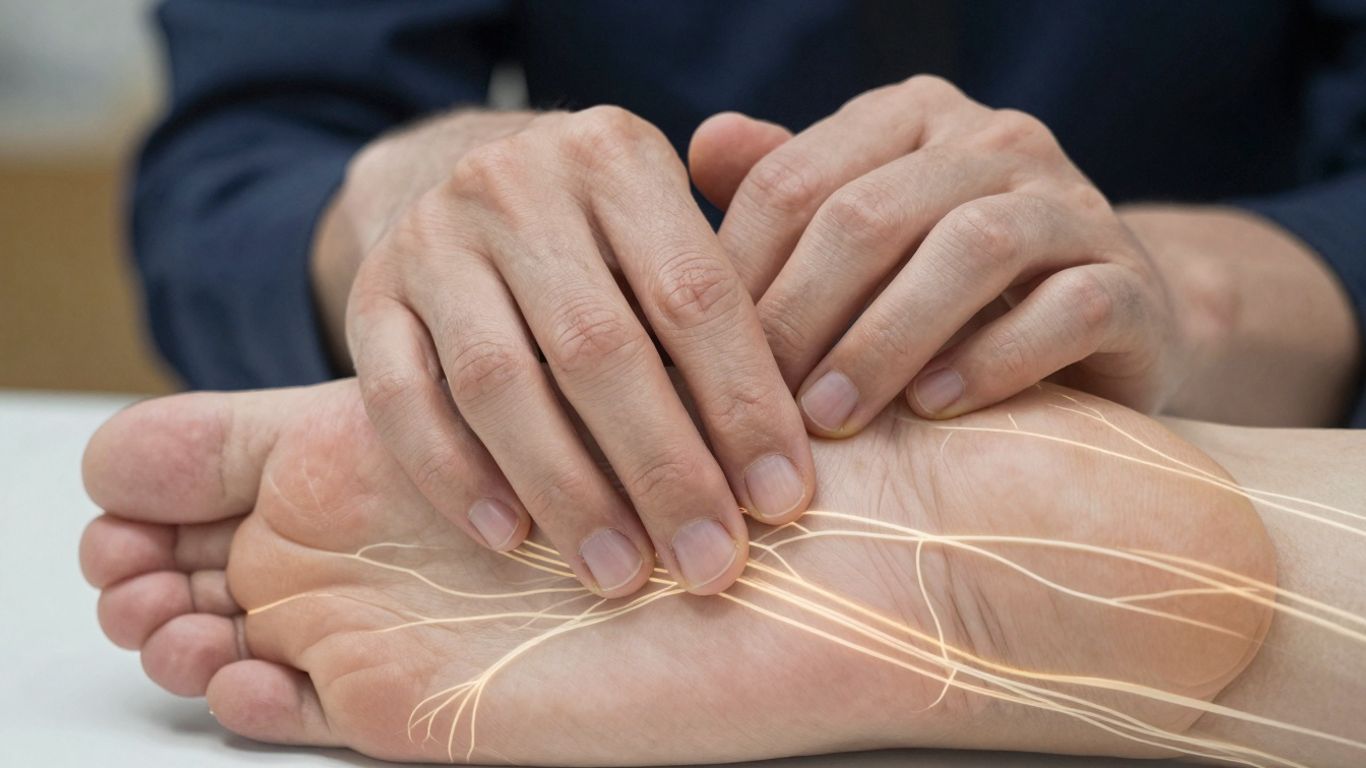
What Is Neuropathy?
Neuropathy, often called peripheral neuropathy, is basically a problem with your nerves. Think of your nerves as the body’s electrical wiring system, carrying messages between your brain and spinal cord (that’s the central nervous system) and the rest of your body.
When these peripheral nerves get damaged, they can’t send signals properly. This damage can lead to a whole bunch of different issues, from a weird tingling feeling to serious pain and weakness.
It’s not just one condition, but a whole group of disorders that affect how your nerves work.
The Role of Peripheral Nerves
Your peripheral nerves are pretty important. They’re responsible for everything from telling your muscles to move, to letting you feel the heat of a cup of coffee or the cold of the floor.
They also control things your body does automatically, like digestion and heart rate. When these nerves are messed up, it can impact all sorts of functions.
It’s like having faulty wiring in your house – some lights might flicker, others might not turn on at all, and some appliances might just stop working.
Types of Neuropathy
There are actually a lot of different kinds of neuropathy, and they’re usually categorized by what’s causing them or which nerves are affected. Some common ones include:
- Diabetic Neuropathy: This is super common and happens when high blood sugar from diabetes damages nerves over time.
- Autonomic Neuropathy: This affects the nerves that control your body’s automatic functions, like digestion, blood pressure, and bladder control.
- Peripheral Neuropathy: This is the most general term and refers to damage to nerves outside of the brain and spinal cord, often affecting the hands and feet.
- Focal Neuropathy: This involves damage to just one nerve, like carpal tunnel syndrome.
- Polyneuropathy: This is when multiple nerves are affected, which is quite common.
Understanding the specific type of neuropathy is key because it helps doctors figure out the best way to treat it and manage the symptoms. It’s not a one-size-fits-all situation.
Identifying the Root Causes of Neuropathy
So, what actually makes nerves go haywire? It’s not just one thing, unfortunately. Neuropathy can pop up for a bunch of different reasons, and sometimes, doctors can’t even pinpoint the exact cause. It’s like a mystery where the nerves are the victims. But we do know a lot about the usual suspects.
Diabetes and Metabolic Factors
This is a big one. When your blood sugar stays high for too long, like with uncontrolled diabetes, it can really mess with your nerves. Think of it like constantly flooding your system with something that damages delicate wiring.
This is called diabetic neuropathy, and it’s super common. Other metabolic issues, like problems with your thyroid or kidneys, can also play a role. It’s all about keeping your body’s internal chemistry balanced.
Infections and Autoimmune Disorders
Sometimes, your own body can turn against itself, or an outside invader can cause trouble. Autoimmune diseases, where your immune system mistakenly attacks healthy tissues, can target nerves.
Conditions like lupus or rheumatoid arthritis fall into this category. Then there are infections – things like Lyme disease, shingles, or even HIV can sometimes trigger nerve damage. It’s a reminder that our body’s defense systems need to be working correctly.
Genetic Predispositions
Yep, sometimes it’s in the genes. If your parents or grandparents had neuropathy, you might be more likely to develop it too. These are hereditary conditions, meaning they’re passed down through families.
While you can’t change your genes, knowing about this risk can help you be more aware and proactive about your nerve health. It’s good to know your family history, and sometimes that includes conditions like Charcot-Marie-Tooth disease.
Toxins and Environmental Exposures
What we’re exposed to matters. Heavy metals like lead or mercury can be toxic to nerves. Certain medications, especially some chemotherapy drugs, can have nerve damage as a side effect.
And then there’s alcohol. Long-term, heavy drinking can lead to alcoholic neuropathy, damaging nerves over time. Even certain industrial chemicals can be culprits. It really highlights the importance of being mindful of what we’re putting into or exposing ourselves to.
It’s important to remember that often, multiple factors can contribute to neuropathy. A person might have diabetes and also be exposed to certain toxins, making the nerve damage worse. Identifying all potential causes is key to effective treatment.
Recognizing the Symptoms of Neuropathy

When your nerves get damaged, it’s like the wiring in your house starts to short-circuit. Things just don’t work right, and you start noticing all sorts of weird stuff happening. The symptoms really depend on which nerves are acting up, but there are some common themes.
Sensory Disturbances: Pain, Numbness, and Tingling
This is probably what most people think of first when they hear “neuropathy.” You might feel a persistent burning or stabbing pain, almost like an electric shock zapping you out of nowhere. Sometimes, it’s just a constant ache.
On the flip side, you could lose feeling altogether. Numbness, often starting in your feet and hands, can feel like you’re wearing invisible gloves or socks.
Then there’s the tingling, that “pins and needles” sensation that just won’t quit. It can make simple things, like walking or even just having a blanket touch your skin, feel really uncomfortable or painful.
Motor Impairments: Weakness and Coordination Issues
If the nerves controlling your muscles are affected, you’ll likely notice weakness. This can make everyday tasks a struggle, like opening jars or climbing stairs. It can also mess with your balance and coordination, making you feel unsteady on your feet.
This loss of balance is a big reason why falls are a serious concern for people with neuropathy. You might find yourself tripping more often or just generally feeling clumsy.
Autonomic Nervous System Dysfunction
This is where things get a bit more complex because the autonomic nervous system controls all those automatic bodily functions we don’t usually think about. When these nerves are damaged, you could experience:
- Digestive issues: Feeling full quickly, or problems with constipation or diarrhea.
- Bladder control problems: Difficulty emptying your bladder or sudden urges.
- Sweating changes: Sweating too much or not enough, which can make it hard to regulate body temperature.
- Blood pressure fluctuations: Feeling dizzy or lightheaded, especially when standing up, because your blood pressure drops suddenly.
- Sexual function changes: Issues like erectile dysfunction can also occur.
It’s important to remember that these symptoms can develop gradually, or sometimes they can appear quite suddenly. If you notice any of these signs, especially if they come on fast and seem to be getting worse, it’s a good idea to talk to your doctor sooner rather than later. Early detection really does make a difference.
Diagnostic Approaches for Neuropathy
Medical History and Neurological Examination
Figuring out what’s going on with neuropathy usually starts with a good old-fashioned chat with your doctor. They’ll want to know all about your symptoms – when they started, what makes them better or worse, and if anyone else in your family has similar issues.
It’s not just about the nerve problems, either; they’ll ask about your general health, any other conditions you have, and what medications or supplements you’re taking. This background information is super important.
After that, they’ll do a physical exam, checking your reflexes, muscle strength, and your ability to feel things like touch, temperature, and vibration.
This initial assessment helps narrow down the possibilities and guides the next steps.
Electrophysiological Studies: EMG and NCS
When the initial exam points towards a nerve issue, doctors often turn to electrophysiological tests. Think of these as ways to “listen” to your nerves and muscles. Nerve conduction studies (NCS) measure how fast and how strong electrical signals travel along your nerves.
If a nerve is damaged, the signals might be slow or weak. Electromyography (EMG) looks at the electrical activity within your muscles. It can show if muscles are working properly or if there’s a problem with the nerves controlling them.
These tests are particularly good at spotting issues with larger nerve fibers. Sometimes, these tests are the key to diagnosing nerve pain when the cause isn’t obvious, and they’re considered a standard for checking nerve function. You can find more information on nerve conduction studies.
Laboratory and Imaging Tests
Blood work is a big part of the diagnostic puzzle. Doctors will likely order a panel of tests to check for underlying causes. This can include checking blood sugar levels (like Hemoglobin A1C to see long-term control), vitamin levels (especially B12, which can cause neuropathy if too low), and thyroid function.
They might also look for signs of infections or autoimmune disorders. Sometimes, imaging tests like an MRI can be helpful. An MRI can show if nerves are thickened or if there are other abnormalities in the spinal cord or brain that could be affecting the peripheral nerves.
Nerve Biopsy and Specialist Referrals
In some cases, especially if the cause is still unclear after other tests, a nerve biopsy might be recommended. This involves taking a small sample of nerve tissue, usually from the leg, to examine under a microscope. It can provide detailed information about the type and extent of nerve damage.
If your condition is complex or doesn’t fit a common pattern, your doctor might refer you to a neurologist or a specialist in neuromuscular disorders. These experts have more specialized tools and knowledge to figure out tricky cases and recommend the best course of action.
Getting a proper diagnosis is the first major hurdle in managing neuropathy. It’s a process that often involves piecing together information from your personal health story, physical exams, and a variety of specialized tests. Don’t get discouraged if it takes a few tries to get a clear answer; the goal is to find the root cause so effective treatment can begin.
Effective Treatment Strategies for Neuropathy
Dealing with neuropathy can be tough, but there are definitely ways to manage it and improve your quality of life.
The main goal is usually to tackle the underlying cause if possible, and then focus on easing symptoms like pain and improving function. It’s not a one-size-fits-all situation, so what works for one person might not be the best for another.
Pharmacological Interventions for Pain Management
When it comes to managing the often-debilitating pain associated with neuropathy, medications play a big role. Doctors often start with drugs that aren’t traditional painkillers but are known to help with nerve pain.
Think about medications like gabapentin or pregabalin; these were originally for seizures but are really effective at calming down those overactive nerves sending pain signals.
Then there are certain antidepressants, like duloxetine or older ones like amitriptyline, which can also help by changing how your brain processes pain signals. For localized pain, topical treatments such as capsaicin cream or lidocaine patches can offer relief without affecting your whole system.
Sometimes, stronger medications might be considered for severe pain, but they’re usually a last resort due to potential side effects and dependency concerns.
Addressing Underlying Causes
This is a big one. If your neuropathy is caused by something specific, like diabetes, getting that condition under control is key. For example, managing blood sugar levels is super important for diabetic neuropathy.
If an infection is the culprit, treating that infection can help. Similarly, if certain medications are causing nerve damage, your doctor might adjust your dosage or switch you to something else.
Autoimmune conditions also need specific treatments to calm down the immune system’s attack on your nerves. It really highlights why getting a proper diagnosis is so important in the first place.
Physical and Occupational Therapy
These therapies are fantastic for helping you regain strength and function. Physical therapy can involve exercises to improve balance, coordination, and muscle strength, which can be really compromised by neuropathy.
An occupational therapist can help you find ways to adapt your daily activities, making tasks easier and safer. They might suggest tools or techniques to help you with things like dressing, cooking, or even just walking around the house.
It’s all about making your day-to-day life more manageable and less painful.
Emerging and Alternative Therapies
Beyond the standard treatments, there’s a growing interest in other approaches. Some people find relief with things like acupuncture or biofeedback. Vitamin supplementation, especially for B vitamins and vitamin E, might be helpful if a deficiency is contributing to your symptoms.
There is also research into things like neuromodulation, which uses electrical stimulation to try and alter pain signals. While these might not be the first line of treatment, they can be valuable additions to a treatment plan for some individuals.
A neuropathy treatment plan can include a mix of medications, physical therapy, dietary adjustments, and lifestyle modifications, based on individual findings.
It’s important to remember that managing neuropathy is often an ongoing process. What works today might need tweaking down the line. Staying in close communication with your healthcare provider is key to adjusting your treatment as needed and ensuring you’re getting the best possible care for your specific situation.
Preventing Complications and Managing Neuropathy
Living with neuropathy means staying proactive about your health to avoid bigger problems down the line. It’s not just about managing the symptoms you feel right now; it’s also about protecting yourself from potential injuries and keeping your overall nerve health in check.
Taking consistent steps can make a real difference in your quality of life.
Foot Care and Injury Prevention
Because neuropathy often affects sensation, especially in the feet, you might not feel minor injuries, temperature changes, or pain. This can lead to serious issues if not managed carefully. Regular checks are super important.
- Daily Inspection: Get into the habit of looking at your feet every single day. Check for cuts, blisters, redness, swelling, or any changes in skin color. Use a mirror or ask someone to help if you can’t see them well.
- Proper Footwear: Always wear well-fitting shoes that protect your feet. Avoid going barefoot, even at home. Make sure your socks don’t have any rough seams that could rub and cause irritation.
- Temperature Awareness: Be cautious with hot or cold temperatures. Test bathwater with your elbow or a thermometer before stepping in. Avoid prolonged exposure to extreme heat or cold.
- Prompt Treatment: If you find any sore, cut, or blister, treat it right away. Clean it gently, apply an antiseptic, and cover it with a bandage. If it doesn’t heal quickly or looks infected, see your doctor or a podiatrist.
Lifestyle Modifications for Nerve Health
What you do day-to-day really impacts your nerves. Making some smart choices can support your nerve function and overall well-being.
- Balanced Diet: Eating a diet full of fruits, vegetables, whole grains, and lean proteins is good for everyone, and especially for nerve health. Make sure you’re getting enough B vitamins, particularly B-12, which is vital for nerve function. Foods like meat, fish, eggs, and dairy are good sources, and fortified cereals can help if you eat less meat.
- Regular Exercise: Moving your body helps with circulation, which is good for your nerves. Aim for at least 30 minutes of moderate exercise most days of the week, after checking with your doctor to make sure it’s safe for you.
- Avoid Nerve Damaging Factors: Try to cut back on or eliminate things known to harm nerves. This includes smoking, drinking too much alcohol, and avoiding exposure to certain toxins or chemicals where possible. Also, be mindful of repetitive motions that could strain nerves over time.
Managing Chronic Conditions
Often, neuropathy is linked to another health issue, like diabetes. Keeping that underlying condition under control is one of the most effective ways to prevent neuropathy from getting worse or to slow its progression.
If diabetes is the cause of your neuropathy, keeping your blood sugar levels as close to normal as possible is key. This means sticking to your treatment plan, monitoring your glucose, and working closely with your healthcare team. Similarly, if an autoimmune disease or infection is the culprit, managing that specific condition is paramount. It’s a team effort between you and your doctors to keep everything in check.
Here’s a quick look at how managing underlying conditions helps:
| Condition | How it Relates to Neuropathy | Management Strategy |
|---|---|---|
| Diabetes | High blood sugar damages nerves over time. | Strict blood glucose control, diet, exercise, medication. |
| Autoimmune Disease | Body attacks its own nerves or causes inflammation. | Medications to suppress the immune system, reduce inflammation. |
| Infections | Some infections directly damage nerves or trigger inflammation. | Antiviral or antibiotic treatment, depending on the specific infection. |
| Vitamin Deficiencies | Lack of certain vitamins (like B12) affects nerve function. | Dietary changes, supplements, medical guidance on dosage. |
Nueropathy is a pretty complex thing, affecting people in different ways, and sometimes figuring out the exact cause can be a puzzle. But the main takeaway is that you’re not alone in this.
There are ways to manage the symptoms, and often, treatments can make a real difference in how you feel day-to-day. If you’re dealing with any of the signs discussed above, don’t just ignore them.
Chatting with your doctor is the best first step to get things figured out and find a path forward that works for you.
Frequently Asked Questions
What exactly is neuropathy?
Think of neuropathy as damage to your body’s “wires,” which are your nerves. These nerves are like messengers, sending signals between your brain and the rest of your body. When they get damaged, these messages can get mixed up, leading to problems like pain, numbness, or weakness.
What are the common signs that someone might have neuropathy?
People with neuropathy often feel strange sensations. This could be a burning or tingling feeling, like pins and needles, especially in their hands and feet. They might also experience numbness, muscle weakness, or have trouble with balance. Sometimes, pain can be worse at night.
What are the main reasons people get neuropathy?
There are many reasons! Diabetes is a big one because high blood sugar can harm nerves over time. Other causes include certain infections, problems with your body’s defense system (autoimmune diseases), injuries, exposure to toxins, and even some medications. Sometimes, we just can’t find a clear reason.
How do doctors figure out if someone has neuropathy?
Doctors start by asking a lot of questions about your symptoms and health history. Then, they’ll do a physical exam to check your nerves and muscles. They might also order tests like blood work to look for causes, or special tests called nerve conduction studies (NCS) and electromyography (EMG) to see how well your nerves and muscles are working.
Can neuropathy be treated?
Yes, neuropathy can often be treated. The best treatment depends on what’s causing it. Doctors might prescribe medicines to help with pain, or focus on treating the underlying condition, like managing diabetes. Physical therapy can also be very helpful to improve strength and movement.
Is there anything I can do to help prevent neuropathy or keep it from getting worse?
Taking good care of your overall health is key! This includes managing any health conditions you have, like diabetes. Eating a healthy diet, exercising regularly, and avoiding things that can harm nerves, such as smoking or drinking too much alcohol, can also make a big difference in keeping your nerves healthy.
We’d Love To Hear From You!
Call 512-255-7246 or click below to schedule an appointment.