

Nerve Damage
Nerve Damage
- Nerve damage occurs when nerves are injured or diseased, affecting how your body sends and receives signals.
- Common causes include diabetes, autoimmune diseases, physical trauma, certain medications, and toxic substances.
- Symptoms vary depending on the type of nerve affected, ranging from numbness and tingling to weakness and pain.
- Diagnosis involves a medical history, physical exam, and specific tests to check nerve function and identify causes.
- Treatment focuses on addressing the root cause, managing pain with medication, and using physical therapy for recovery.
Understanding Nerve Damage
Nerves are pretty amazing, aren’t they? They’re like the body’s electrical wiring, sending messages all over the place so we can move, feel, and even digest our food without thinking about it. When this wiring gets damaged, things can get pretty messed up. This damage, often called neuropathy, can happen for a bunch of reasons and show up in different ways.
What is Nerve Damage?
Basically, nerve damage means that the nerves in your body aren’t working right. These nerves are responsible for carrying signals between your brain and the rest of your body. Think of them as tiny messengers. When they’re damaged, those messages get garbled, delayed, or just don’t get through at all. This can affect everything from how you move your muscles to whether you can feel a gentle touch or a hot stove. It’s a disruption in the communication system that keeps us functioning.
Types of Nerves Affected
Nerves aren’t all the same; they have different jobs. We can broadly group them into three main types, and damage to each can cause distinct problems:
- Motor Nerves: These control your muscles, allowing you to walk, talk, and pick things up. If these are damaged, you might notice weakness, muscle cramps, or even twitching.
- Sensory Nerves: These are the ones that let you feel things like touch, temperature, and pain. When they’re hurt, you might feel numbness, tingling, burning, or have trouble knowing where your body is in space.
- Autonomic Nerves: These manage the things your body does automatically, like breathing, heart rate, digestion, and blood pressure. Damage here can lead to issues with sweating, blood pressure control, or digestive problems.
It’s pretty common for more than one type of nerve to be affected at once, which can lead to a mix of symptoms. For example, you might have both muscle weakness and a burning sensation in your legs.
Neuralgia vs. Neuropathy
Sometimes people use these terms interchangeably, but there’s a slight difference. Neuropathy is the broader term for nerve damage itself. Neuralgia, on the other hand, specifically refers to nerve pain. So, while all neuralgia is related to nerve issues, not all nerve damage causes pain. You can have nerve damage that causes weakness or numbness without significant pain, but if you’re experiencing nerve pain, it’s a sign that your nerves are definitely not happy.
Common Causes of Nerve Damage

Nerve damage, or neuropathy, can pop up for a whole bunch of reasons. It’s not just one thing; it’s a whole spectrum of issues that can mess with your nerves. Sometimes it’s a slow burn, other times it’s more sudden. Understanding what’s causing the problem is the first big step toward getting it sorted out.
Diabetes and Nerve Damage
This is a really big one. Lots of people with diabetes end up dealing with nerve damage, and it’s estimated that up to 70% of folks with the condition experience it at some point. It’s often called diabetic neuropathy. The high blood sugar levels that come with diabetes can really harm those tiny blood vessels that feed your nerves, cutting off their oxygen and nutrients. It usually starts in the feet and legs, but it can spread. It’s super important for people with diabetes to keep their blood sugar in check to try and prevent or slow down this nerve damage.
Autoimmune Diseases
Sometimes, your own body decides to attack itself, and that’s what happens with autoimmune diseases. Conditions like lupus, multiple sclerosis, and Guillain-Barré syndrome can cause your immune system to mistakenly target and damage your peripheral nerves. It’s like your body’s defense system gets confused and starts fighting your own healthy tissues. This can lead to a variety of symptoms depending on which nerves are affected.
Compression and Trauma
This one’s pretty straightforward. Anything that squishes, stretches, or cuts a nerve can cause damage. Think about a pinched nerve in your neck from sleeping funny, or a more serious injury from an accident. Carpal tunnel syndrome is a classic example where the median nerve in your wrist gets compressed. Even repetitive motions can lead to irritation and damage over time. Injuries from sports or falls can also stretch or crush nerves, leading to problems.
Drug Side Effects and Toxins
What you put into your body matters. Certain medications, especially some chemotherapy drugs used for cancer treatment, can unfortunately have nerve damage as a side effect. Even some medications for HIV can cause issues. Beyond prescriptions, chronic heavy alcohol use is a well-known culprit for damaging nerves. And then there are environmental toxins, like lead or mercury, that can cause serious nerve problems if you’re exposed to them. It’s a reminder that our environment and the substances we consume have a real impact on our health, including our nerve health.
It’s estimated that over 20 million Americans deal with some form of peripheral nerve damage. This number tends to go up as people get older, but it’s not just an age thing. Many different conditions and injuries can lead to these nerve problems, and recognizing the signs early is key to managing them effectively.
Recognizing Symptoms of Nerve Damage
When your nerves aren’t working right, it can show up in a bunch of different ways. It’s not always a clear-cut "ouch," either. The symptoms really depend on which type of nerve is acting up. You’ve got motor nerves that control your muscles, sensory nerves that handle feeling things like touch and temperature, and autonomic nerves that manage all the stuff your body does automatically, like breathing and digestion.
Symptoms of Sensory Nerve Damage
If your sensory nerves are the ones causing trouble, you might notice some weird sensations. Think numbness or a tingling feeling, kind of like when your foot falls asleep, but it might not go away. Some people describe it as a burning sensation or a pins-and-needles feeling. You could also become extra sensitive to touch, where even a light brush feels uncomfortable. Problems with knowing where your body is in space, or feeling pain and temperature changes accurately, can also be signs.
Symptoms of Motor Nerve Damage
Damage to motor nerves can really mess with your ability to move. You might feel weakness in your muscles, making everyday tasks harder. Sometimes, you can see muscles twitching under the skin, which is called fasciculation. In more serious cases, this can lead to muscle wasting (atrophy) or even paralysis. It’s like the signals from your brain to your muscles are getting lost or scrambled.
Symptoms of Autonomic Nerve Damage
Autonomic nerves are the silent workers, controlling things you don’t think about. When they’re damaged, the symptoms can be pretty varied. You might notice changes in how much you sweat, either too much or not enough. Your blood pressure could become unstable, or you might have trouble regulating your body temperature, especially in heat. Digestive issues, like problems with how your stomach empties, can also pop up. It’s important to remember that you might experience symptoms from more than one type of nerve damage at the same time.
Sometimes, nerve damage symptoms can be subtle at first, making them easy to overlook. Paying attention to persistent changes in sensation, movement, or bodily functions is key to getting help sooner rather than later. Don’t just brush off that odd tingling or unexplained weakness.
Here’s a quick rundown of what to look out for:
- Sensory: Numbness, tingling, burning, increased sensitivity, loss of position sense.
- Motor: Muscle weakness, twitching, cramps, muscle atrophy, paralysis.
- Autonomic: Sweating changes, blood pressure issues, temperature regulation problems, digestive troubles.
Diagnosing Nerve Damage
Medical History and Physical Examination
Figuring out if you have nerve damage often starts with a good old-fashioned chat with your doctor. They’ll want to know all about your symptoms – when they started, what makes them better or worse, and any other health issues you might have. Think of it like putting together a puzzle. They’ll also do a physical exam, checking things like your reflexes, muscle strength, and how well you can feel different sensations. This initial step is super important because it gives the doctor a baseline and helps them start narrowing down what might be going on.
Diagnostic Tests for Nerve Function
Sometimes, the physical exam isn’t enough to pinpoint the problem, so doctors might order some specific tests. These tests are designed to see how well your nerves are actually working.
- Nerve Conduction Studies (NCS): This test measures how fast electrical signals travel through your nerves. Small electrodes are placed on your skin, and a mild electrical pulse is sent through the nerve. The time it takes for the signal to travel is recorded. It’s a bit like checking the speed limit on a highway.
- Electromyography (EMG): This test looks at the electrical activity in your muscles. A very fine needle electrode is inserted into the muscle to record its electrical signals, both when it’s at rest and when you contract it. This helps see if the muscles are getting the right signals from the nerves.
- Sensory Testing: This can involve various methods to check your ability to feel things like vibration, temperature, and light touch in different parts of your body.
Imaging Scans to Identify Causes
While the tests above tell us how the nerves are functioning (or not functioning), imaging scans can help us see why they might be damaged. They’re like looking at a map to find the roadblock.
- MRI (Magnetic Resonance Imaging): This is often the go-to scan. It uses powerful magnets and radio waves to create detailed pictures of your nerves and surrounding tissues. It’s great for spotting things like tumors, inflammation, or areas where nerves might be getting squeezed.
- CT (Computed Tomography) Scan: Sometimes used if MRI isn’t suitable or to get a different view, a CT scan uses X-rays to create cross-sectional images. It can be helpful for looking at bone structures that might be pressing on nerves.
Getting a clear diagnosis is the first big step toward feeling better. It means you’re on the right track to finding the treatment that will work best for your specific situation. Don’t get discouraged if it takes a few tries to get all the answers; patience is key here.
The goal of these diagnostic steps is to get a clear picture of the nerve damage, its location, and its cause, which is absolutely vital for planning the most effective treatment.
Effective Treatments for Nerve Damage
Dealing with nerve damage can be tough, and finding the right treatment is key to feeling better. It’s not always about a quick fix, but more about managing symptoms and improving your quality of life. The first step is usually figuring out what’s causing the nerve issue in the first place. Once that’s identified, a plan can be put into action.
Addressing Underlying Conditions
Often, the best way to tackle nerve damage is by taking care of the root problem. This might mean different things depending on your situation. For example, if diabetes is the culprit, getting your blood sugar levels under control is a big deal. If it’s something like a nutritional deficiency, supplementing those missing vitamins can make a difference. Sometimes, medications you’re taking might be the cause, so your doctor might adjust your prescription. For nerve issues caused by pressure or injury, physical therapy or even surgery could be on the table. And if an autoimmune disease is involved, treatments aimed at managing that condition will be the focus.
Medications for Nerve Pain Relief
When nerve pain is really bothering you, medication can offer some relief. It’s important to know that nerve pain often feels different from regular aches and pains, so standard painkillers might not cut it. Doctors often turn to specific types of drugs that have shown success.
- Antidepressants: Some antidepressants, like amitriptyline or duloxetine, can help manage nerve pain even if you’re not feeling depressed. They work by affecting certain chemicals in the brain that are involved in pain signals.
- Anti-seizure drugs: Medications originally developed for epilepsy, such as gabapentin and pregabalin, are frequently prescribed for nerve pain. They help calm down overactive nerve signals.
- Topical treatments: For localized pain, creams or patches containing ingredients like lidocaine or capsaicin can provide direct relief to the affected area.
Physical Therapy and Rehabilitation
Physical therapy plays a significant role in managing nerve damage. It’s not just about exercises; it’s about helping your body adapt and function as well as possible. A physical therapist can guide you through specific movements designed to:
- Maintain muscle strength and prevent atrophy (wasting away).
- Keep your joints flexible and moving smoothly.
- Improve your overall mobility and ability to perform daily tasks.
Therapy might include gentle exercises, stretching, and sometimes massage. The goal is to reduce stiffness, improve function, and help manage discomfort. It can be a slow process, but consistent effort often leads to noticeable improvements over time.
It’s important to remember that recovery from nerve damage can take time, and what works for one person might not be the perfect fit for another. Working closely with your healthcare team to find the right combination of treatments is the best approach. Don’t hesitate to ask questions and be an active participant in your care plan.
Complementary and Alternative Approaches
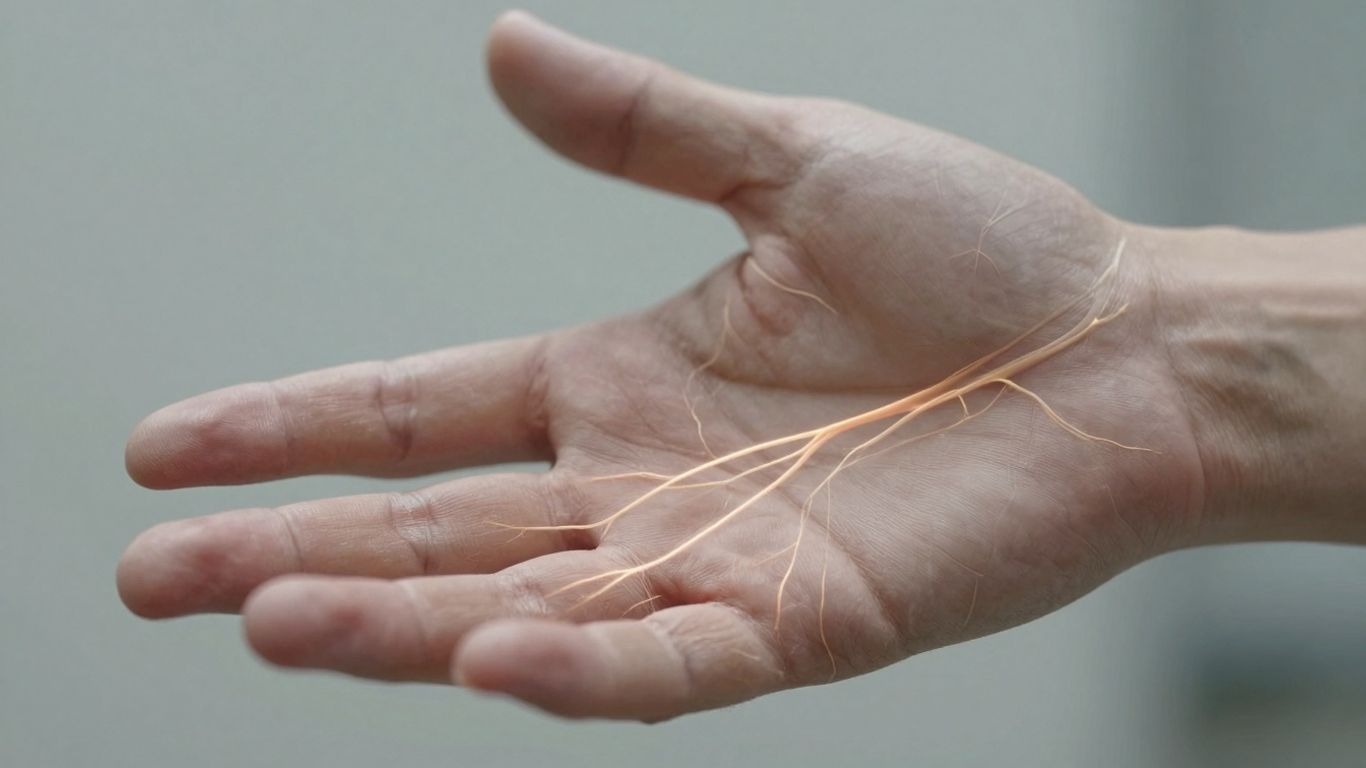
Sometimes, the standard medical treatments for nerve damage might not be enough on their own, or you might be looking for ways to support your recovery and manage symptoms. That’s where complementary and alternative approaches come in. These methods can work alongside your prescribed treatments to help you feel better overall.
Lifestyle Adjustments
Making changes to your daily life can have a big impact. It’s not just about what you eat or how much you move; it’s about finding a balance that works for you. Focusing on a healthy lifestyle can really improve your quality of life and how you feel day-to-day.
Here are a few things to consider:
- Balanced Diet: Eating a variety of nutritious foods helps your body function at its best. Think plenty of fruits, vegetables, and whole grains.
- Regular Activity: Staying as active as you can helps maintain flexibility and can improve circulation. Even gentle movement makes a difference.
- Pacing: Break down your daily tasks into smaller, manageable steps. Trying to do too much at once can lead to fatigue and increased pain.
- Sleep Hygiene: If pain is messing with your sleep, talk to your doctor about strategies to get better rest. Good sleep is vital for healing.
Desensitization Techniques
If certain areas of your skin have become overly sensitive, desensitization, sometimes called sensory re-education, can be really helpful. The idea is to gradually expose the sensitive area to different textures. It might sound a bit strange, but it helps your nerves get used to sensations again, potentially reducing pain signals.
- Start with very light touch, like a soft cotton ball, several times a day.
- Over time, you can move to slightly rougher materials, like a soft cloth or even something like Velcro.
- The goal is to slowly increase the intensity of the sensation, helping your nerves become less reactive.
This process requires patience and consistency. It’s about retraining your nerves to respond differently to touch, which can take time but often leads to significant relief for those experiencing hypersensitivity.
Other Supportive Therapies
There are several other therapies that people find beneficial. Acupuncture, for instance, is a traditional practice that some find helps with nerve pain by stimulating specific points in the body. You might also explore things like meditation or yoga to help manage stress and improve your overall sense of well-being. Sometimes, talking therapies like cognitive behavioral therapy (CBT) can also be useful in developing coping strategies for chronic pain. Finding the right combination of these approaches can be a personal journey, and it’s always a good idea to discuss these options with your healthcare provider to see what might be a good fit for your specific situation. Exploring options like acupuncture for neuropathy could be a step in the right direction for some individuals seeking alternative relief. Remember, these are meant to complement, not replace, your primary medical care.
Wrapping Things Up
So, nerve damage can really throw a wrench in things, affecting how you move, feel, and just go about your day. We’ve talked about how it can pop up from all sorts of issues, from diabetes and injuries to even certain medications. The symptoms can be pretty varied, too, showing up as pain, numbness, or weakness. The good news is, while it might not always be completely fixable, there are definitely ways to manage it. Getting a doctor involved early is key, and treatments can range from medication and physical therapy to lifestyle changes. It’s all about finding what works for you to get some relief and keep things from getting worse.
Frequently Asked Questions
What exactly is nerve damage?
Nerve damage, also known as neuropathy, happens when your nerves get hurt. Nerves are like tiny wires that send messages all over your body, helping you move, feel things, and even control stuff like your heartbeat. When these wires get damaged, those messages can get mixed up or stop getting through.
What are the main causes of nerve damage?
Lots of things can cause nerve damage. Some common ones include diabetes, where high blood sugar can harm nerves over time. Autoimmune diseases, where your body’s defense system attacks itself, can also hurt nerves. Injuries, like getting a pinched nerve or a bad fall, and even some medicines or poisons can lead to nerve damage.
How can I tell if I have nerve damage?
Symptoms really depend on which nerves are damaged. You might feel pain, burning, numbness, or a tingling feeling, especially in your hands and feet. Sometimes, you might notice weakness in your muscles, twitching, or trouble with balance. If your autonomic nerves are affected, you could have issues with sweating, digestion, or blood pressure.
Can nerve damage be cured?
Sometimes, nerve damage can’t be completely fixed, but treatments can help a lot to ease the pain and other symptoms. The most important thing is to find out what’s causing the damage and treat that. For example, controlling blood sugar for diabetics or changing medicines if they’re the problem can make a big difference.
What are the treatments for nerve pain?
Doctors have several ways to help with nerve pain. They might prescribe medicines to dull the pain, like certain antidepressants or anti-seizure drugs. Physical therapy, with exercises and stretches, can help improve movement and reduce stiffness. In some cases, surgery might be needed, especially if a nerve is being squeezed.
Are there ways to prevent nerve damage?
Living a healthy lifestyle can lower your risk. This means eating well, exercising regularly, not smoking, and drinking alcohol in moderation. Keeping your blood sugar in check if you have diabetes is super important. Also, it’s a good idea to see your doctor for regular checkups and mention any strange feelings or pains you notice early on.
We’d Love To Hear From You!
Call 512-255-7246 or click below to schedule an appointment.