

Headache
Not all headaches are created equal. They have different causes, different feelings, and thankfully, different ways to make them stop.
All About Headaches
- Headaches are common but can vary a lot, from mild discomfort to really bad pain that stops you from doing anything.
- Knowing if your headache is primary (the main problem) or secondary (caused by something else) is important for treatment.
- Common headache types include tension headaches, migraines, cluster headaches, and sinus headaches, each with its own symptoms.
- Things like stress, hormones, certain foods, and even how much sleep you get can trigger a headache.
- Relief often comes from over-the-counter medicine, lifestyle changes, or sometimes seeing a doctor or chiropractor.
Understanding Your Headache
So, what exactly is a headache? Basically, it’s any pain you feel in your head or the top part of your neck. It can feel like pressure, a throbbing sensation, or a sharp, dull, or constant ache. The weird thing is, your brain itself can’t actually feel pain. The pain comes from the nerves, blood vessels, and muscles around your head and neck that get irritated or inflamed. Think of it like a signal that something’s up.
Primary Versus Secondary Headaches
Headaches usually fall into two main buckets: primary and secondary. Primary headaches aren’t caused by some other illness. They’re more like the main event. Things like tension headaches and migraines fit into this category. They can be triggered by stress, lack of sleep, or even certain foods, but they aren’t a symptom of something else going on.
Secondary headaches, on the other hand, are a symptom of another medical issue. This could be anything from a sinus infection to, in rarer cases, something more serious. It’s like the headache is telling you there’s a problem elsewhere.
Identifying Your Headache Type
Knowing the difference between headache types is key. It helps you and your doctor figure out the best way to manage the pain. Here’s a quick look at some common ones:
- Tension Headaches: These are the most common. They often feel like a constant, dull ache or pressure around your head, especially at the temples or back of your head and neck. Stress and muscle strain are big culprits here.
- Migraines: These are usually more intense. You might feel a throbbing pain, often on one side of your head. Migraines can also come with other fun stuff like nausea, vomiting, and being super sensitive to light and sound. Some people even see visual changes before a migraine hits.
- Cluster Headaches: These are less common but incredibly painful. They happen in cycles or ‘clusters’ and cause severe, burning, or piercing pain, usually around one eye.
- Sinus Headaches: These are tied to sinus infections. You’ll typically feel pain and pressure in your forehead, cheeks, and around your eyes, often accompanied by other sinus symptoms like congestion.
Understanding the specific characteristics of your headache, like where it hurts, how it feels, and what other symptoms pop up, is the first step toward finding relief. It’s not just about the pain itself, but the whole picture.
There are actually over 200 different kinds of headaches out there, so it can get complicated. But focusing on the common types is a good place to start when trying to figure out what’s going on with your headache types.
Here’s a simple way to think about it:
| Headache Type | Typical Pain Description | Common Accompanying Symptoms |
|---|---|---|
| Tension Headache | Dull ache, pressure, band-like | Tightness in neck and shoulders |
| Migraine | Throbbing, often one-sided | Nausea, vomiting, sensitivity to light and sound, visual aura |
| Cluster Headache | Severe, burning, piercing, around one eye | Watery eye, nasal congestion on the affected side |
| Sinus Headache | Deep, constant pain and pressure in forehead/cheeks | Nasal congestion, fever, facial tenderness |
Getting a handle on these differences can make a big difference in how you manage your pain.
Common Types Of Headaches

Knowing what kind of headache you’re dealing with is a big step toward actually feeling better. Here are some of the most common types of headaches.
Tension Headaches
These are probably the most frequent kind. Think of a constant, dull ache, like a band squeezing your head. It often shows up on both sides and can feel like pressure in your forehead, temples, or the back of your head and neck. Stress, poor posture, or just clenching your jaw can bring these on. They’re usually not severe enough to stop you from doing things, but they’re definitely annoying.
Migraines
Migraines are a whole different ballgame. They’re often described as a throbbing or pulsing pain, usually on just one side of your head. But it’s not just the pain; migraines can come with a whole crew of other symptoms. We’re talking nausea, sometimes vomiting, and a really strong sensitivity to light and sound. Even normal noises can feel deafening, and daylight can be unbearable. Some people even get visual disturbances, like seeing flashing lights or blind spots, before the headache really kicks in. These can last for hours or even days, and they can really knock you off your feet.
Cluster Headaches
These are less common but are known for being incredibly intense. Cluster headaches hit hard and fast, usually causing severe, burning, or piercing pain around one eye or temple. They tend to happen in groups, or ‘clusters,’ meaning you might get several in a day or week, followed by a break. The pain is so bad that people often feel restless and agitated during an attack. They can be really disruptive when they’re happening.
Sinus Headaches
If you’ve ever had a bad sinus infection, you might recognize this one. A sinus headache feels like deep, constant pain in your cheekbones, forehead, or the bridge of your nose. It often gets worse when you bend over or move your head suddenly. You’ll likely have other sinus symptoms too, like a stuffy nose or facial pressure. These headaches are directly related to inflammation in your sinus cavities.
It’s important to remember that while these are common, there are other types too. Figuring out which one is bothering you can make a big difference in finding the right relief.
Causes And Triggers Of Headaches
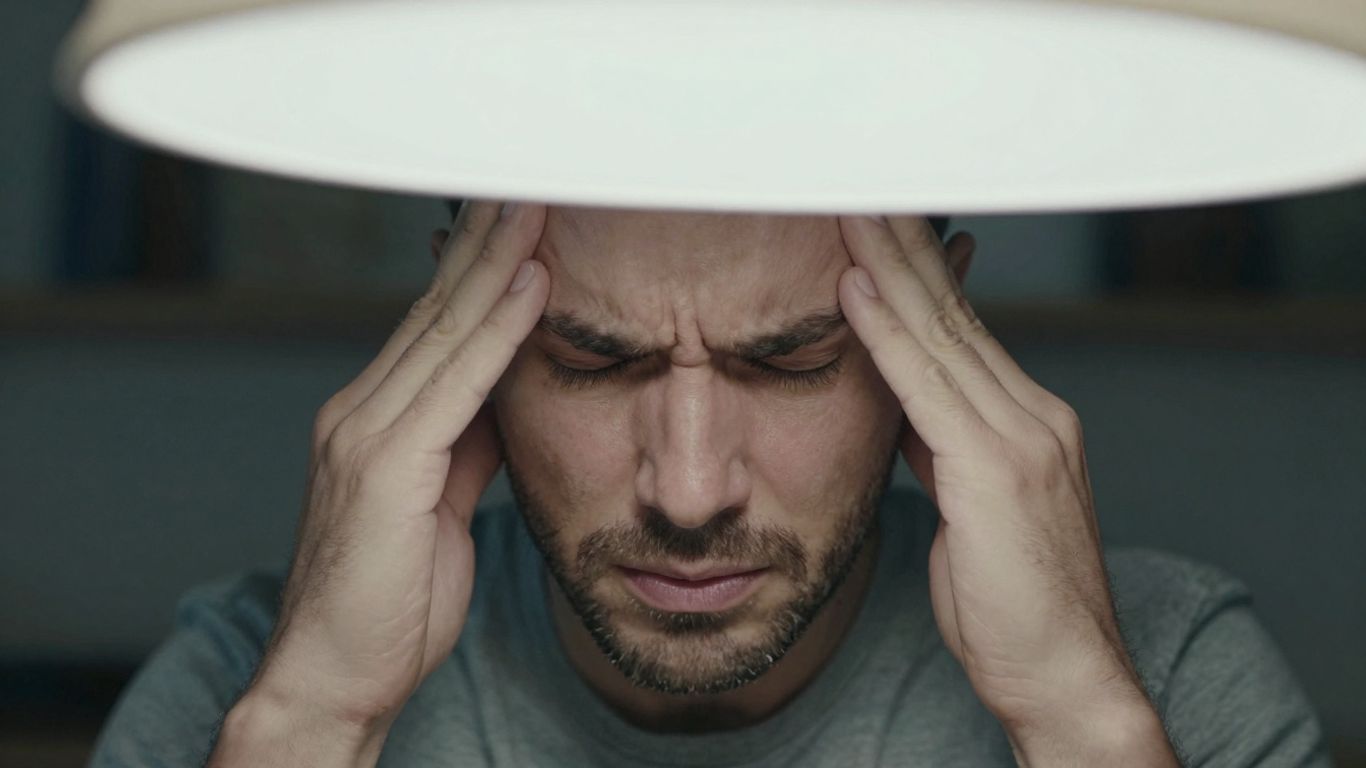
So, what actually makes a headache happen? It’s not always just one thing, and honestly, it can be pretty frustrating trying to pinpoint the exact cause. For many people, it’s a mix of things, and what bothers one person might not even register for another. Understanding these factors is the first step toward finding some relief.
Genetic And Chemical Factors
Sometimes, headaches are just in your genes. If your parents or close relatives get migraines, you might be more prone to them too. This isn’t about blaming your DNA, but it means certain types of headaches might have a hereditary component. On the chemical side, things going on in your brain play a big role. Fluctuations in certain brain chemicals, like serotonin, can mess with pain signals and lead to headaches. It’s like a delicate balance that can easily get tipped.
Hormonal Changes And Environmental Triggers
Hormones are a big one, especially for women. Those monthly cycles can bring on headaches, and changes during pregnancy or menopause can also be triggers. Beyond hormones, your surroundings matter. Think about bright, flickering lights, loud noises, or even strong smells like perfume or cleaning products. Even changes in the weather, like a shift in barometric pressure, can set off a headache for some. It’s a reminder that our bodies are pretty sensitive to what’s going on around us.
Lifestyle Factors And Medication Overuse
This is where things get really personal. What you eat and drink can definitely impact your head. Skipping meals, not drinking enough water (hello, dehydration!), or even certain foods like aged cheeses or processed meats can be culprits. You can find more about specific food triggers here. Then there’s stress – a classic headache starter. Poor sleep habits, hunching over a computer all day with bad posture, or too much physical strain can all contribute. And here’s a tricky one: using pain medication too often. It sounds counterintuitive, but taking pain relievers too frequently can actually lead to more headaches, known as medication-overuse headaches. It’s a cycle that’s tough to break without help.
Here’s a quick look at common lifestyle triggers:
- Diet: Dehydration, skipping meals, alcohol, caffeine withdrawal.
- Sleep: Too little, too much, or inconsistent sleep schedules.
- Stress: Emotional or physical stress, muscle tension in the neck and shoulders.
- Environment: Bright lights, loud sounds, strong odors, weather changes.
- Posture: Prolonged poor posture, especially when working at a desk.
It’s important to remember that triggers are highly individual. What causes a headache for one person might have no effect on another. Keeping a headache diary can be super helpful in identifying your personal patterns and triggers.
Diagnosing Your Headache
Medical History and Physical Examination
Figuring out what’s causing your headache is the first big step toward feeling better. It usually starts with a chat with your doctor. They’ll want to know all about your headaches: when they started, how often they happen, what they feel like, and where the pain is. Don’t hold back any details, even if they seem small. Things like your daily routine, stress levels, diet, and even your sleep habits can be important clues. After talking, they’ll likely do a physical check-up. This might include checking your blood pressure and doing a quick neurological exam to see how your nerves and reflexes are working. They might also gently feel your head and neck muscles.
Advanced Diagnostic Techniques
Sometimes, the history and physical exam aren’t enough to pinpoint the problem. In these cases, your doctor might suggest more tests. Imaging scans like an MRI or CT scan can be really helpful. These give a detailed look inside your head and can help rule out more serious issues that might be causing your pain, like a tumor or a blood vessel problem. It’s not always necessary, but it’s good to know these options are available if needed.
When to Seek Medical Advice
Most headaches aren’t a sign of something serious and can be managed at home or with over-the-counter meds. But there are times when you really should call your doctor. If you suddenly get a headache that feels like the worst pain you’ve ever experienced, that’s a big red flag. Also, if your headache comes with a stiff neck, fever, confusion, vision changes, or trouble speaking, get medical help right away. Persistent headaches that don’t get better, or headaches that start after a head injury, also warrant a doctor’s visit. It’s always better to be safe than sorry when it comes to your health.
Keeping a headache diary can be incredibly useful. Jotting down when headaches occur, what you ate beforehand, your stress level, and any other symptoms can provide your doctor with a clearer picture and speed up the diagnostic process.
Effective Headache Relief Strategies
When a headache strikes, it’s easy to feel like you’re just stuck with the pain. But there are actually quite a few things you can do to get some relief, and some of them might even help stop them from happening so often. It’s not always about popping a pill, though that’s definitely an option for many.
Over-the-Counter and Prescription Medications
For many common headaches, the first line of defense is often something you can grab from the pharmacy shelf. Think ibuprofen, acetaminophen, or aspirin. These can be really helpful for mild to moderate pain. However, it’s super important not to overuse them, as this can actually lead to more headaches – a kind of rebound effect. If your headaches are more severe or frequent, a doctor might suggest prescription medications. This could include stronger pain relievers, or specific drugs like triptans, which are often used for migraines. Sometimes, medications that are usually for other conditions, like certain antidepressants or anti-seizure drugs, can be prescribed to help prevent headaches from happening in the first place.
Lifestyle Adjustments For Prevention
This is where you can really take control. Making some changes to your daily routine can make a big difference. Getting enough sleep, and trying to stick to a regular sleep schedule, is a big one. Also, staying hydrated by drinking plenty of water throughout the day is surprisingly effective. Some people find that keeping a food diary helps them pinpoint triggers, like certain foods or drinks, that might be setting off their headaches. Regular, moderate exercise is also beneficial; it can help reduce stress and improve your overall well-being. And speaking of stress, finding ways to manage it, whether through deep breathing, meditation, or just taking short breaks, can really help.
- Hydration: Aim for at least 8 glasses of water daily.
- Sleep: Establish a consistent sleep schedule, aiming for 7-9 hours.
- Stress Management: Practice relaxation techniques daily.
- Diet: Identify and avoid personal food triggers.
Alternative Therapies For Headache Management
Beyond medications and lifestyle tweaks, there’s a whole world of other approaches people find helpful. Acupuncture, where tiny needles are placed at specific points, is something many turn to for pain relief. Massage therapy, especially for the neck and shoulders, can work wonders for tension headaches. Some people also explore chiropractic care, finding that adjustments can help with headaches that seem to stem from neck or spine issues. It’s about finding what works for your body and your specific type of headache. If you’re looking for more ways to manage pain, exploring natural remedies might offer some additional options.
It’s easy to get caught up in the cycle of pain and medication. But remember, your body often has its own ways of signaling what it needs. Paying attention to these signals and making proactive changes can lead to significant relief over time.
Seeking Professional Headache Care
Sometimes, even with the best efforts at home, headaches just keep coming back or feel too intense to handle alone. That’s when looking into professional help makes a lot of sense. It’s not about giving up; it’s about finding someone who really knows their stuff when it comes to figuring out what’s going on and how to make it stop.
Chiropractic Care For Headache Relief
Many people find that adjustments to their spine, especially in the neck area, can make a big difference with certain types of headaches. Chiropractors focus on how your body’s structure, like your spine, affects your overall health. When things are out of alignment, it can lead to muscle tension and nerve irritation, which often shows up as a headache. A chiropractor can work on correcting these misalignments, which might help ease the pressure and pain. They also often give advice on posture and how to move your body better day-to-day, which can prevent headaches from starting in the first place.
Personalized Treatment Plans
When you see a professional for headaches, they won’t just give you a one-size-fits-all solution. They’ll take the time to really understand your specific situation. This usually starts with talking about your headache history – when they started, how often they happen, what they feel like, and what seems to make them better or worse. They’ll likely do a physical check-up too. Based on all this information, they can put together a plan that’s just for you. This plan might include a mix of things:
- Specific chiropractic adjustments tailored to your needs.
- Advice on how to change your daily habits, like your workstation setup or how you sleep.
- Suggestions for exercises or stretches to help build strength and flexibility.
- Guidance on diet or stress management techniques.
Ongoing Support And Management
Getting rid of headaches isn’t always a quick fix, and that’s okay. Professional care often includes checking in with you regularly to see how the treatment plan is working. They can make adjustments as needed, because what works at first might need tweaking over time. It’s about working together to find what brings you the most relief and helps you manage your headaches long-term, so they don’t take over your life. Consistent follow-up is key to long-term headache management.
It’s easy to think of headaches as just a minor annoyance, but when they become a regular part of your life, they can really wear you down. Seeking out someone who specializes in this area can open up new possibilities for feeling better and getting back to your normal routine without constant pain.
Wrapping Up: Taking Charge of Your Headaches
So, we’ve talked a lot about headaches, right? From figuring out if it’s a tension thing or a full-blown migraine, to spotting those sneaky triggers. It can feel like a lot, but the main takeaway is that you’re not stuck with constant head pain. Knowing what’s going on is the first big step. Whether it’s trying out some new relaxation tricks, tweaking your diet, or even talking to a doctor or specialist about different treatment options, there are ways to get some relief. Don’t just tough it out if your head is always hurting; there are people and methods out there that can help you feel more like yourself again.
Frequently Asked Questions
What’s the difference between a regular headache and a migraine?
Think of a regular headache, like a tension headache, as a general ache or tightness, often felt all over your head. Migraines are usually more intense, with a throbbing pain, often on just one side. They can also bring other problems like feeling sick to your stomach, being bothered by light and sounds, or even seeing weird things before the pain starts.
Can stress really cause a headache?
Absolutely! Stress is a big one for headaches, especially tension headaches. When you’re stressed, the muscles in your neck and scalp can tighten up, leading to that tight, aching feeling. It’s like your head is wearing a tight band.
Are headaches always a sign of something serious?
Most of the time, no. Headaches are super common and usually aren’t a sign of a major problem. But, if you get a sudden, really bad headache that feels like the worst you’ve ever had, or if it comes with a stiff neck, fever, or confusion, it’s important to see a doctor right away. Also, if your headaches change a lot or don’t get better with usual remedies, it’s a good idea to get checked out.
What are ‘rebound headaches’?
Rebound headaches, or medication-overuse headaches, happen when you take pain medicine for headaches too often. It’s like your body gets used to the medicine, and then you get a headache when it wears off, making you want to take more medicine. It creates a cycle of pain.
Can changing my lifestyle help prevent headaches?
Definitely! Small changes can make a big difference. Getting enough sleep, drinking plenty of water, eating regularly, and finding ways to manage stress like exercise or meditation can really help. Sometimes, figuring out which foods or drinks trigger your headaches and avoiding them is also key.
When should I think about seeing a doctor for my headaches?
You should see a doctor if your headaches are very sudden and severe, if they come with other worrying symptoms like a stiff neck or fever, if they happen after a head injury, or if they’re becoming more frequent or intense and not getting better with home care. It’s always best to get professional advice if you’re concerned.
We’d Love To Hear From You!
Call 512-255-7246 or click below to schedule an appointment.