

Post Surgery Pain
Getting through surgery is one thing, but dealing with the aftermath, especially the post surgery pain, can be a whole other challenge. You might be wondering what to expect, how to manage it, and when to worry. It’s totally normal to feel a bit lost when it comes to post surgery pain.
Post Surgery Pain
- Managing post surgery pain well can speed up how fast you get better and make you feel more comfortable overall.
- Besides taking the medicines your doctor gives you, try using other methods like cold packs, heat, and moving gently to help with post surgery pain.
- Getting enough rest, eating right, and drinking enough water are also super important for healing and dealing with post surgery pain. Think anti-inflammatory foods, lots of water, and good sleep.
- If you had surgery on your legs, like a knee or hip replacement, propping them up and wearing special socks can help with swelling and make your post surgery pain feel better.
- Figuring out your post surgery pain plan early on helps your body heal smoother and might stop long-term pain issues.
Understanding Post Surgery Pain
Why Immediate Pain Management Matters
Okay, so you’ve had surgery. It’s a big deal, and it’s totally normal to feel some discomfort afterward. Managing this pain right from the start is super important. It’s not just about feeling better, though that’s a big part of it. When your pain is under control, you can actually start moving sooner, which helps prevent other problems like blood clots or pneumonia. Plus, feeling less pain means you can rest better, and good rest is key for your body to heal. It also makes a huge difference in your overall mood and how quickly you feel like yourself again.
Types of Post Surgery Pain
Pain after surgery isn’t just one thing; it can show up in different ways. Understanding these types can help you and your medical team figure out the best way to handle it.
- Acute Surgical Pain: This is the most common type, felt right at the incision site. It’s usually sharp and most noticeable in the first few days. As your body heals, this pain typically gets better.
- Referred Pain: Sometimes, pain from the surgery area can feel like it’s coming from somewhere else. For example, after an abdominal surgery, you might feel pain in your shoulder. This happens because nerves are connected in complex ways.
- Visceral Pain: This pain comes from your internal organs. It’s often described as a dull, deep ache that’s hard to pinpoint. It can happen if organs were touched or moved during the operation.
- Musculoskeletal Pain: Surgery can affect your muscles and joints. This might be from lying in one position for a long time, or because you’re moving differently to protect the surgical site.
- Neuropathic Pain: This is a bit different. It happens when nerves get irritated or damaged during surgery. People often describe it as burning, tingling, or shooting sensations. It can sometimes feel like pins and needles.
Sources of Post Surgery Pain
So, what actually causes this pain? It’s usually a mix of things:
- The Incision Itself: Cutting through skin, muscle, and tissues naturally causes inflammation and signals pain.
- Tissue Trauma: Even with careful surgery, there’s some level of tissue injury. Your body’s natural response is to send pain signals to alert you that healing is needed.
- Inflammation: Swelling and redness around the surgical site are signs of inflammation, which is a normal part of healing but also contributes to pain.
- Muscle Spasms: Sometimes, muscles around the surgical area might tighten up or spasm, causing additional discomfort.
- Nerve Irritation: As mentioned with neuropathic pain, nerves can get stretched, compressed, or directly affected during the procedure, leading to pain signals.
It’s really about your body’s natural response to the trauma of surgery. Think of pain as your body’s way of saying, "Hey, something happened here, and we need to focus on healing." While uncomfortable, it’s a sign that the healing process is underway. The goal isn’t to eliminate all sensation, but to manage the pain so it doesn’t interfere with your recovery and quality of life.
Developing Your Pain Management Plan
Okay, so you’ve had surgery, and now it’s time to figure out how to handle the pain that comes with it. This isn’t just about popping a pill and hoping for the best. It’s about creating a plan, and guess what? You’re a big part of that plan. Your healthcare team is there to help, but they need your input too. The goal is to get you comfortable enough to start moving and healing properly.
The Role of the Interprofessional Team
Think of your pain management as a team sport. It’s not just your surgeon or the nurse. It’s a whole crew working together. This usually includes your surgeon, the anesthesiologist (the one who put you to sleep), your nurses, and a pharmacist. Sometimes, if you have a history of pain issues or a complex surgery, they might bring in a pain specialist or even a physical therapist. They all bring different skills to the table to make sure your pain is managed safely and effectively. They’ll chat with each other, share notes, and come up with the best approach for you.
Preoperative Assessment for Pain Management
Before you even get to the operating room, your team will be doing some homework. They’ll look at your medical history, ask about any past pain issues, and consider the type of surgery you’re having. Are you someone who tends to have a high pain tolerance, or do you feel things more intensely? Do you take any medications already that might interact with pain relievers? Knowing these things beforehand helps them predict how much pain you might have and what treatments will work best. It’s all about getting a head start on managing your discomfort.
Individualized Pain Management Strategies
Here’s the thing: everyone’s pain experience is different, and so is their recovery. What works wonders for one person might not do much for another. That’s why your pain management plan needs to be tailored just for you. It’s not a one-size-fits-all deal. Your team will consider all the information they gathered during your assessment and work with you to create a strategy. This might involve a mix of medications, but also other things like physical therapy exercises, heat or cold packs, and making sure you’re getting enough rest. They’ll also talk to you about what to expect, what side effects to watch out for, and when you should call them if things aren’t going as planned. It’s a collaborative effort to get you back on your feet as smoothly as possible.
Here’s a quick look at what might be included in your plan:
- Medication Schedule: When to take your prescribed pain relievers.
- Non-Medication Techniques: Suggestions for movement, heat/cold therapy, etc.
- Warning Signs: What symptoms mean you need to contact your doctor.
- Transition Plan: Guidance on moving from stronger to over-the-counter pain relief.
- Activity Guidelines: Specific advice related to your surgery (e.g., how to move, what to avoid).
Medication Strategies for Post Surgery Pain
When it comes to managing pain after surgery, medications are often a big part of the plan. It’s not just about taking something when the pain hits; it’s about having a smart strategy. Your medical team will work with you to figure out the best approach, but understanding your options is key.
Utilizing Analgesics Effectively
Pain relievers, or analgesics, are the go-to for managing discomfort. The trick is to use them right. This means taking them as prescribed, not just when the pain is unbearable. Sometimes, taking them at regular intervals, even if the pain feels manageable, can prevent it from getting worse. Keeping a log of what you take and when can be super helpful, especially if you’re juggling different types of medication. This helps you and your doctor see what’s working and avoid accidental double-dosing.
- Take medications at consistent intervals.
- Keep a detailed log of your medication intake.
- Communicate any side effects or concerns to your doctor promptly.
Understanding Opioid and Non-Opioid Options
There’s a whole spectrum of pain medications available. You’ve got your opioids, which are usually for more severe pain and prescribed for short periods because they can be habit-forming and have side effects like constipation and drowsiness. Then there are non-opioids. Acetaminophen is good for mild to moderate pain and is generally safe, but you have to be careful not to take too much, as it can harm your liver. Non-steroidal anti-inflammatory drugs (NSAIDs) like ibuprofen can help with pain and inflammation, but they can sometimes irritate the stomach or increase bleeding risk, so they aren’t for everyone. Often, a combination of these can be more effective than using just one type. For day surgery patients, a mix of acetaminophen and NSAIDs is often recommended, sometimes with added local blocks for better pain control [1864].
| Medication Type | Best For | Potential Downsides |
|---|---|---|
| Opioids | Severe, short-term pain | Dependency risk, drowsiness, constipation, nausea |
| Acetaminophen | Mild to moderate pain | Liver damage with overuse, avoid alcohol |
| NSAIDs (e.g., Ibuprofen) | Mild to moderate pain, inflammation | Stomach irritation, increased bleeding risk |
Managing Medication Side Effects
No medication is without potential side effects, and pain relievers are no exception. Constipation is a really common one with opioids, so drinking plenty of fluids and getting some gentle movement in can help. Nausea can also occur, and sometimes anti-nausea medication can be prescribed. Drowsiness is another side effect to be aware of, especially if you’re taking opioids – avoid driving or operating heavy machinery. It’s important to talk to your doctor or pharmacist about any side effects you experience. They can often adjust your dosage, switch you to a different medication, or suggest ways to manage the side effects so you can focus on healing.
It’s really important to follow your prescribed dosages closely. Taking too little might mean you’re still in pain, but taking too much can lead to serious health issues. If your pain isn’t managed by your current plan, contact your care team instead of changing your medication dose on your own.
Remember, your pain management plan is a partnership between you and your healthcare providers. Don’t hesitate to ask questions and voice any concerns you have about your medications.
Non-Medication Approaches to Pain Relief

While medications are a big part of managing pain after surgery, they aren’t the only tools in the toolbox. Sometimes, simple, non-drug methods can make a big difference in how you feel. These approaches can work alongside your prescribed pain relievers, helping you feel more comfortable and speeding up your recovery.
The Benefits of Gentle Movement
It might seem counterintuitive when you’re hurting, but moving around gently can actually help. Once your doctor gives you the okay, starting with small movements can prevent stiffness and improve blood flow. Think of it as waking up your body after a long rest. This can include simple stretches or short walks. Regular, gentle activity helps your body heal and can reduce pain over time. It’s not about pushing yourself; it’s about encouraging your body’s natural healing processes.
Applying Cold and Heat Therapy
Cold and heat are old reliable methods for pain and swelling. For the first day or two after surgery, cold therapy is often best. It helps numb the area and reduce swelling. You can use an ice pack wrapped in a thin towel for about 15-20 minutes at a time. Later on, heat might feel better. Heat can relax tight muscles and increase blood flow, which aids healing. A warm compress or a warm bath can be quite soothing. It’s good to alternate between the two sometimes, depending on what feels right for you.
Here’s a quick guide:
- Cold Therapy: Best for initial swelling and numbing. Use for 15-20 minutes at a time, with a barrier between the pack and your skin.
- Heat Therapy: Good for muscle stiffness and promoting blood flow. Can be used for longer periods.
- Alternating: Some people find switching between hot and cold provides the best relief.
Importance of Rest and Sleep
Don’t underestimate the power of a good night’s sleep and proper rest. Your body does a lot of its healing work while you’re asleep. Trying to get enough quality rest can really help manage your pain levels. It’s also important to rest when you feel tired, rather than pushing through. This doesn’t mean lying in bed all day, but it does mean listening to your body and taking breaks when you need them. Good sleep hygiene, like keeping your room dark and quiet, can make a big difference. Sometimes, simple relaxation techniques before bed can help you drift off more easily, aiding your overall recovery.
Managing pain isn’t just about taking pills. Incorporating movement, temperature therapies, and prioritizing rest can significantly improve your comfort and help your body mend more effectively. It’s about finding a balance that works for you.
Supporting Your Recovery
Getting back on your feet after surgery isn’t just about the procedure itself; it’s also about what you do in the days and weeks that follow. Think of it like tending to a garden – you need the right conditions and care for things to grow back strong. This means paying attention to what you eat and drink, managing any swelling, and just generally being realistic about how long things take.
Nutrition and Hydration for Healing
What you put into your body makes a big difference in how well you heal. Eating foods that help fight inflammation can be really beneficial. This often means cutting back on things like processed snacks, sugary drinks, and fried stuff. Instead, try to load up on leafy greens, fruits like berries, healthy fats from fish or olive oil, and nuts. These foods give your body the building blocks it needs to repair itself.
And don’t forget water! Staying hydrated is super important. It helps your tissues heal, keeps your energy up, and can even prevent constipation, which is a common issue when you’re on pain medication. Aim for plenty of water throughout the day.
Managing Swelling and Inflammation
Swelling is a normal part of the healing process, but too much can be uncomfortable and slow things down. One of the simplest ways to help is by using cold therapy, especially in the first day or two after surgery. Applying a cold pack (wrapped in a cloth, of course!) for about 15-20 minutes at a time can help reduce swelling and numb the area a bit. Just be sure to take breaks so your skin doesn’t get irritated.
Later on, once the initial swelling starts to calm down, heat therapy might feel good. A warm compress can help relax tight muscles and improve blood flow. Again, use it for short periods and listen to your body. For surgeries on your legs, keeping the limb elevated above your heart can also make a big difference in reducing fluid buildup.
Setting Realistic Expectations for Recovery
It’s easy to want to jump back into your normal routine right away, but recovery takes time. Some days will feel better than others, and that’s perfectly okay. It’s important to be patient with yourself and your body. You might have good days where you feel like you’re making huge progress, followed by days where you feel a bit more tired or sore. This is normal.
Try to focus on small victories and celebrate them. Don’t compare your recovery to someone else’s – everyone heals differently. Communicate with your doctor or physical therapist about how you’re feeling. They can offer guidance and adjust your plan if needed. Remember, the goal is steady progress, not instant perfection.
Addressing Persistent Post Surgery Pain
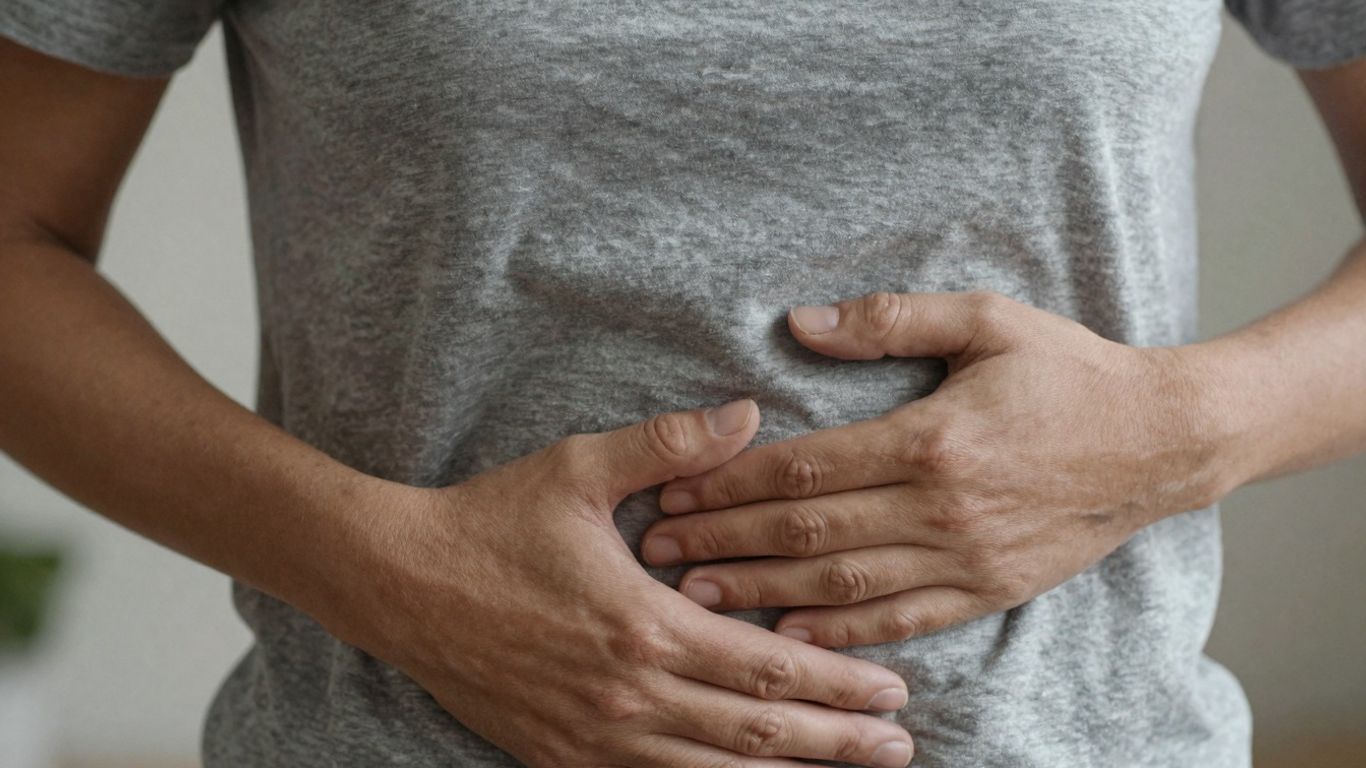
Sometimes, even after the initial healing period, pain can stick around. This isn’t uncommon, and it’s often referred to as chronic post-surgical pain. It’s different from the expected soreness right after an operation. This kind of lingering discomfort can really throw a wrench in your recovery and daily life.
Recognizing Chronic Post Surgical Pain
So, how do you know if what you’re feeling is more than just typical post-op pain? Generally, if pain persists for more than three months after surgery, it might be considered chronic. It can feel like a dull ache, a sharp jab, or even a burning sensation. Sometimes, it’s accompanied by numbness or tingling in the area. It’s important to distinguish this from the normal healing process. Factors like the type of surgery, how your body heals, and even your previous pain experiences can play a role in whether this happens.
Strategies for Long-Term Pain Management
Dealing with persistent pain requires a different approach than managing acute post-op pain. It’s often about finding ways to manage the pain so you can get back to doing the things you enjoy, rather than expecting it to disappear completely. This might involve a mix of strategies:
- Physical Therapy: Gentle exercises can help improve mobility and reduce stiffness, which often contributes to chronic pain.
- Medication Adjustments: Your doctor might explore different medications or combinations, possibly including non-opioid options or nerve pain medications.
- Mind-Body Techniques: Things like mindfulness, meditation, or cognitive behavioral therapy can help you cope with the pain and reduce its impact on your life.
- Lifestyle Changes: Maintaining a healthy weight, eating well, and getting enough sleep can all make a difference.
Managing chronic pain is a marathon, not a sprint. It requires patience, persistence, and a willingness to try different approaches. Don’t get discouraged if the first thing you try doesn’t work perfectly. The goal is to find what helps you feel better and live more fully.
When to Seek Further Medical Advice
If your pain is severe, interfering with your daily activities, or if you’re experiencing new or worsening symptoms like fever, redness, or increased swelling, it’s time to call your doctor. Don’t hesitate to reach out if you feel your pain isn’t being managed effectively or if you have concerns about your recovery. Sometimes, a specialist in pain management might be able to offer additional insights and treatment options. It’s always better to get it checked out than to let things go unaddressed.
Wrapping Up: Your Path to Recovery
So, we’ve gone over a lot of stuff about dealing with pain after surgery. Remember, it’s totally normal to feel some discomfort, but you don’t have to just tough it out. By using the tips we talked about, like taking your meds as prescribed, trying out things like heat or ice, and moving gently when you can, you’re giving yourself a better shot at feeling better faster. Don’t forget that good food, plenty of water, and sleep are big helpers too. Keep talking to your doctor about how you’re feeling, and don’t be afraid to ask questions. You’ve got this, and a smoother recovery is definitely within reach.
Frequently Asked Questions
Why is managing pain right after surgery so important?
Taking care of your pain right after surgery is a big deal. It helps your body heal better and faster. When you’re in less pain, you can move around more, do important breathing exercises, and start physical therapy sooner. This helps prevent problems like blood clots or lung infections and makes your overall recovery smoother and more comfortable.
What are the different kinds of pain I might feel after surgery?
You might feel a few different types of pain. There’s the sharp pain right at the cut (incision site), which is common at first. Sometimes, pain can feel like it’s coming from somewhere else, even if the surgery was in a different spot. You might also feel a dull ache from your internal organs or soreness in your muscles and joints from being in certain positions during the operation.
How do doctors and nurses help manage my pain?
Your healthcare team works together to create a plan just for you. This team can include your doctor, nurses, and pharmacists. They’ll look at your health history, the type of surgery you had, and any past experiences with pain to figure out the best ways to help you feel better. They’ll guide you on using medicines and other methods.
What are the main ways to manage pain after surgery?
Pain management usually involves a mix of things. Medicines like pain relievers (analgesics) are often prescribed. But don’t forget about non-medicine methods! Gentle movement, applying cold or heat packs, getting plenty of rest, and ensuring you sleep well can also make a big difference in easing your discomfort and helping you heal.
How can my diet and lifestyle help with pain after surgery?
What you eat and drink, and how you rest, plays a role in healing and pain. Eating healthy foods, especially those that help reduce swelling, and drinking lots of water can support your body’s repair process. Getting enough quality sleep is also super important because your body does a lot of healing while you rest. Good rest helps manage pain better.
What should I do if my pain doesn’t go away after a while?
It’s important to know that sometimes pain can stick around longer than expected, and this is called chronic post-surgical pain. If you’re still having significant pain weeks or months after your surgery, or if it’s really interfering with your life, it’s a good idea to talk to your doctor again. They can explore other treatment options and help you find ways to manage long-term pain.
We’d Love To Hear From You!
Call 512-255-7246 or click below to schedule an appointment.