

Nerve Pain
Nerve Pain not like a stubbed toe that heals up quickly. This kind of discomfort comes from nerves themselves acting up, often sending signals that don’t make much sense. It can feel like burning, shooting, or just plain weird.
About Nerve Pain
- Nerve pain, or neuropathic pain, happens when nerves are damaged or not working right, sending wrong signals to the brain. It feels different from regular pain.
- It can be caused by injuries, ongoing health issues like diabetes, infections like shingles, or even lifestyle choices such as heavy drinking.
- Symptoms often include burning, electric shock feelings, tingling, numbness, or being overly sensitive to touch.
- Getting a proper diagnosis from a doctor is important because nerve pain can feel like other problems. They’ll use exams and maybe tests to figure it out.
- Managing nerve pain involves more than just medicine; think physical therapy, lifestyle changes, and finding ways to cope mentally and emotionally.
Understanding Nerve Pain
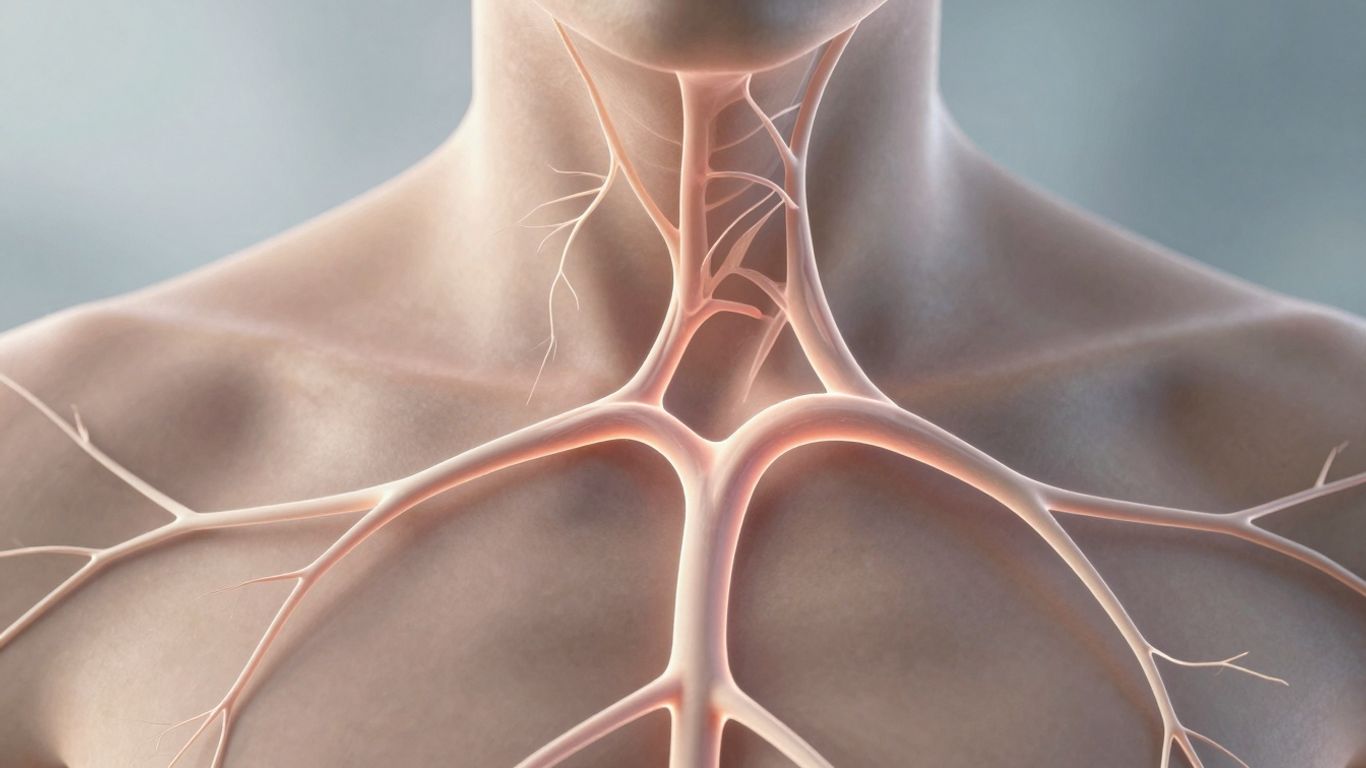
Nerve pain, also known medically as neuropathic pain, is a bit different from the usual aches and pains we experience. Instead of coming from an injury to a muscle or a stubbed toe, this type of pain happens when there’s a problem with the nerves themselves. Think of your nerves as the wiring system of your body, sending messages between your brain and the rest of you. When that wiring gets damaged or just starts acting up, it can send faulty signals, and that’s where nerve pain comes in.
What Is Nerve Pain?
Basically, nerve pain is what happens when your nervous system malfunctions or gets injured. This can happen anywhere along that complex network, from the tiny peripheral nerves in your fingers and toes all the way up to your brain and spinal cord. Unlike pain from a cut or a burn, which usually signals that tissue is damaged and stops when it heals, nerve pain can feel like it’s coming from nowhere. It’s a signal that the nerve pathways themselves are the issue. It’s estimated that about 10% of people deal with some form of this pain, which really shows how common it is.
Types of Nerve Pain
Nerve pain isn’t just one thing; it can show up in different ways depending on where the problem is.
- Peripheral Neuropathic Pain: This is probably the most common type people think of. It starts in the nerves outside of your brain and spinal cord. Things like carpal tunnel syndrome or the lingering pain after shingles (called postherpetic neuralgia) fall into this category.
- Central Neuropathic Pain: This type happens when there’s damage to the brain or spinal cord. For example, someone who has had a stroke might experience this kind of pain.
- Autonomic Neuropathy: This affects the nerves that control things your body does automatically, like your heart rate or digestion. It’s a bit less common but can still cause significant issues.
The Impact of Nerve Pain
Living with nerve pain can be really tough. It’s not just about the physical discomfort, though that’s bad enough. The constant or unpredictable pain can mess with your sleep, affect your mood, and make everyday activities feel like a huge challenge. It can be hard for others to understand because sometimes there’s no visible sign of injury. This persistent discomfort can significantly impact your quality of life, making it difficult to work, socialize, or even just relax. Because it can feel so different from other types of pain, getting an accurate diagnosis is super important. Learning about neuropathic pain is the first step toward finding relief and managing it effectively.
Common Causes of Nerve Pain
Physical Injuries and Trauma
Sometimes, nerve pain starts because of something that physically happened to your body. Think about a bad fall, a car accident, or even surgery. These events can sometimes pinch, stretch, or even cut a nerve. Even after the initial injury seems to have healed, the nerve might still be sending out pain signals. It’s like a faulty wire in your house that keeps sparking even after you’ve fixed the main problem. Spinal cord injuries or things like herniated discs can put pressure on nerves, leading to that persistent ache or sharp pain. It’s a reminder that our nerves are pretty delicate, and damage can have long-lasting effects.
Underlying Medical Conditions
Lots of different health issues can mess with your nerves. Diabetes is a big one; when blood sugar stays high for too long, it can damage the small nerves, especially in your feet and hands. This is called diabetic neuropathy, and it often feels like pins and needles or a burning sensation. Autoimmune diseases, where your body’s own immune system attacks itself, can also cause nerve inflammation and pain. Conditions like multiple sclerosis or lupus fall into this category. And then there’s cancer; sometimes a tumor can press on a nerve, or treatments like chemotherapy can actually cause nerve damage as a side effect. It really shows how interconnected everything in our bodies is.
Infections and Their Effects
While not as common as other causes, certain infections can directly impact your nerves and lead to pain. Shingles, which is caused by the same virus that gives you chickenpox, is a prime example. After the rash clears up, some people continue to feel a burning or stabbing pain in that area, known as postherpetic neuralgia. It’s like the virus left a lingering irritation on the nerve. Other infections, like HIV, can also damage nerves over time, leading to discomfort. It’s a good reminder that even things that seem to go away can sometimes leave a lasting mark.
Lifestyle and Environmental Factors
Believe it or not, some of your daily habits can contribute to nerve pain. Heavy, long-term alcohol use is a significant factor. Alcohol can mess with your body’s ability to absorb important nutrients that nerves need to stay healthy, leading to nerve damage. Things like poor posture, especially if you sit or stand in an awkward way for long periods, can put constant pressure on nerves. Repetitive motions, like typing all day or doing a specific job task over and over, can also lead to conditions like carpal tunnel syndrome, where a nerve in your wrist gets squeezed. It highlights how our everyday choices can really add up when it comes to our health.
Recognizing the Symptoms of Nerve Pain
Sometimes, nerve pain can feel really strange, and it’s not always like the usual aches and pains we get. It’s important to pay attention to these unusual feelings because they can be clues that something’s up with your nerves. The way nerve pain shows up can be pretty varied, but there are some common patterns to look out for.
Unusual Sensations: Burning and Electric Shocks
One of the most common ways nerve pain makes itself known is through a burning sensation. It can feel like a constant, low-grade burn, or sometimes it’s more intense, like a hot poker. This burning can happen out of nowhere, or it might flare up when something as simple as a light touch or a change in temperature touches the area. It’s a persistent kind of discomfort that can be tough to shake.
Then there are those sudden, sharp jolts that feel like an electric shock. These are often called lancinating pain, and they can shoot through a part of your body without any warning. They’re intense and unpredictable, and honestly, they can really throw a wrench into your day.
Tingling, Numbness, and Sensitivity
Another big sign is that pins-and-needles feeling, or tingling. It can feel like your skin is crawling or buzzing. This often comes with numbness, where you lose some feeling in the area, or maybe a bit of weakness. Sometimes this tingling is always there, and other times it comes and goes. It might get worse when you move or put pressure on the spot.
On the flip side, some people experience the opposite – a loss of feeling, or numbness. This can make it hard to tell if something is hot, cold, or even just touching you. It’s a bit worrying because you might not notice if you injure yourself. And then there’s the really strange one: allodynia. This is when things that shouldn’t hurt, like the lightest touch of clothing or even a gentle breeze, actually cause pain. It can make everyday things like getting dressed or taking a shower really difficult.
Impact on Physical Function
These sensations don’t just stay on the surface; they can really mess with how you move and function. You might notice weakness in a limb, or find that your coordination isn’t quite right. This can make simple tasks harder and might even affect your balance. It’s a reminder that nerve pain isn’t just about the feeling itself, but how it impacts your ability to do the things you need and want to do.
It’s easy to dismiss these odd feelings as just a temporary annoyance, but when they stick around or become intense, they’re worth paying attention to. They’re your body’s way of signaling that something isn’t quite right with your nerves, and getting it checked out is the first step toward feeling better.
Diagnosing Nerve Pain Accurately
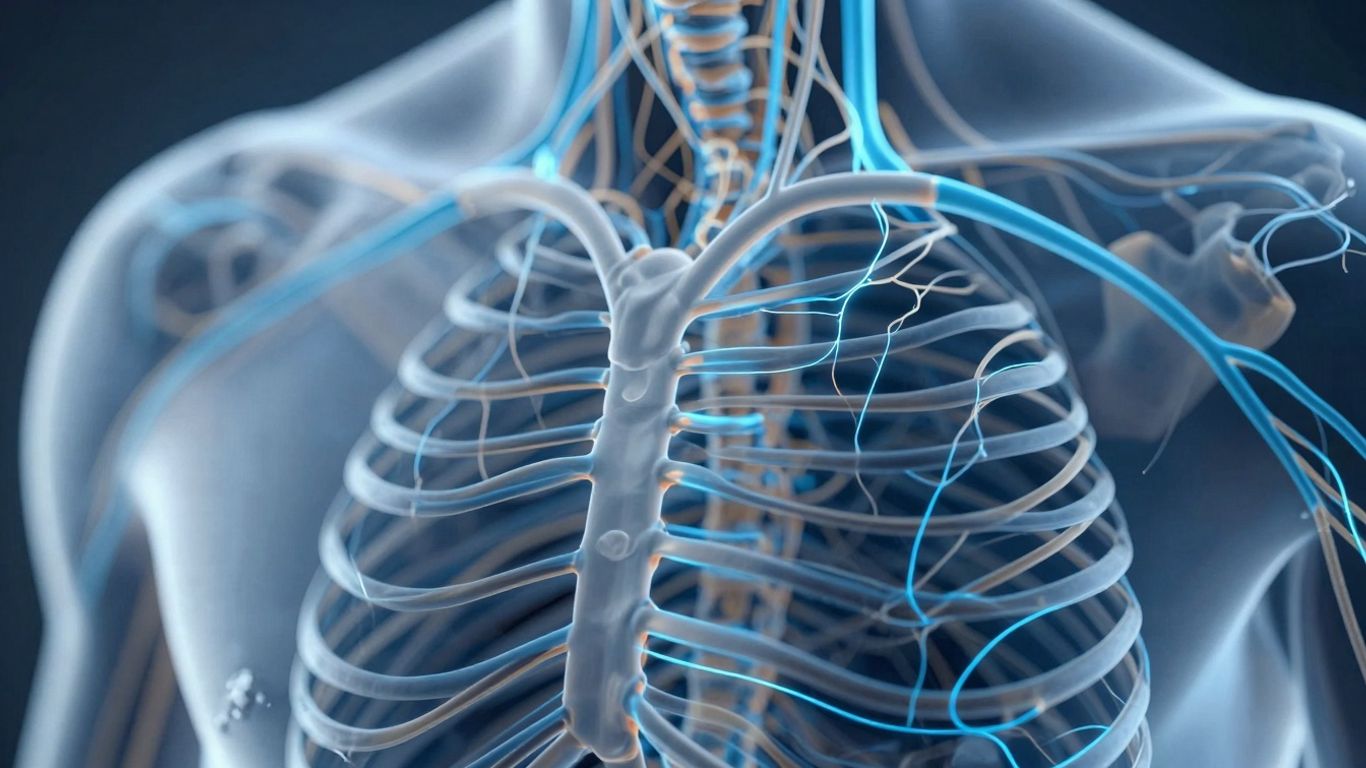
Figuring out if your pain is actually nerve pain can be tricky. It’s not always straightforward, and sometimes it feels like your body is sending you mixed signals. That’s why getting a proper diagnosis is super important. Your doctor is the key person to help you sort this out. They’ll look at your symptoms, ask a bunch of questions, and then decide on the best way to figure out what’s going on.
The Role of Clinical Assessment
When you first see your doctor about pain, they’ll start by talking with you. They want to know all about your pain: where it is, what it feels like (is it burning, shooting, or something else?), when it started, and what makes it better or worse. They’ll also ask about your general health, any past injuries, and if you have any ongoing medical conditions like diabetes. After the chat, they’ll do a physical exam. This might involve checking your reflexes, testing your muscle strength, and seeing how you react to different sensations like light touch, temperature, or a gentle prick. This whole process helps them get a feel for whether nerve involvement is likely.
Diagnostic Tools and Tests
Sometimes, just talking and a physical exam aren’t enough to pinpoint the exact cause. That’s where other tests come in. These aren’t always needed, but they can give doctors more information.
- Blood Tests: These can help rule out or identify underlying issues that might be causing nerve pain, such as vitamin deficiencies (like B12), diabetes, or certain infections.
- Imaging Scans (MRI or CT): If the doctor suspects a structural problem, like a herniated disc pressing on a nerve or a tumor, an MRI or CT scan can provide detailed pictures of your body’s internal structures.
- Nerve Conduction Studies (NCS) and Electromyography (EMG): These tests look at how well your nerves and muscles are working. NCS measures how fast electrical signals travel along your nerves, while EMG checks the electrical activity in your muscles. They can help identify nerve damage or dysfunction.
Differentiating Nerve Pain from Other Conditions
It’s easy for nerve pain to get confused with other types of pain. For example, pain from an injury to a muscle or joint feels different and is treated differently. Nerve pain often has unique characteristics, like burning, tingling, numbness, or a feeling of electric shocks. It can also make your skin overly sensitive, so even light touch feels painful. Your doctor’s job is to carefully distinguish these symptoms from other pain sources to make sure you get the right kind of help.
Getting the right diagnosis is the first big step toward feeling better. It means you’re on the path to treatments that actually address the root of the problem, rather than just masking the symptoms. It can take time and a few different tests, but it’s worth it to get to the bottom of what’s causing your discomfort.
Effective Management Strategies for Nerve Pain
Dealing with nerve pain can feel like a constant uphill battle, and honestly, sometimes the medications just don’t cut it. It’s a common situation, with many people not finding complete relief from pills alone. That’s why looking at other ways to manage the pain, alongside whatever medical treatments you’re using, is so important for getting back to a better quality of life. It’s not about giving up; it’s about finding ways to live more fully, even with the pain.
Non-Surgical Therapeutic Approaches
There are quite a few ways to tackle nerve pain without surgery, and they can make a real difference. Physical therapy is a big one. A good therapist can set you up with specific exercises and stretches designed to help your nerves move better, ease up any pressure, and strengthen the muscles that support everything. It’s all about getting you moving more freely and with less discomfort.
Then there’s acupuncture. It’s an old practice, but many find it helpful. Fine needles are placed at certain spots on the body, and the idea is that this can help block pain signals and get your body to release its own natural pain relievers. Massage therapy is another option that can really help. It works on loosening up tight muscles, getting blood flowing better, and generally reducing irritation around the nerves.
Innovative Medical Treatments
Medical science keeps coming up with new ideas, and that’s good news for nerve pain sufferers. Nerve blocks, for example, involve injecting numbing medicine or anti-inflammatory drugs near a specific nerve. This can offer a good chunk of relief, sometimes for a while, and it can also help doctors figure out exactly where the pain is coming from.
Neuromodulation is another area that’s showing promise. Transcutaneous Electrical Nerve Stimulation, or TENS, uses a small device to send low-voltage electrical currents through the skin. The goal is to interrupt those pain signals. For more severe cases, there’s spinal cord stimulation, where a small device is implanted to send electrical pulses directly to the spinal cord, changing how your brain perceives the pain.
Lifestyle Adjustments for Relief
Sometimes, the simplest changes can have the biggest impact. Making sure you’re eating a balanced diet and getting regular exercise is a solid foundation for managing your condition. It keeps your body in better shape overall. Getting enough sleep and finding ways to manage stress are also really important. Things like avoiding alcohol and tobacco can also help, as they can sometimes make nerve pain worse.
Here are a few other things that can help:
- Setting realistic goals: Don’t try to do too much too soon. Break down your day or your activities into manageable steps.
- Joining a support group: Talking with others who understand what you’re going through can be incredibly helpful. You can share tips and just feel less alone.
- Pacing yourself: Learn to spread out physical activities throughout the day rather than trying to do everything at once. This helps prevent overexertion and flare-ups.
It’s really about finding a balance. Acceptance doesn’t mean you stop trying to get better; it means you’re changing your focus from completely eliminating the pain to improving how you function day-to-day, even with some level of discomfort. It’s a shift in perspective that can make a big difference in how you feel about your situation.
Coping with the Challenges of Nerve Pain
Living with nerve pain can feel like a constant battle, and sometimes, even with the best medical treatments, the pain doesn’t completely disappear. It’s a tough reality, but learning to cope is a big part of getting your life back. This isn’t about giving up; it’s about shifting your focus from just fighting the pain to living better despite it.
Acceptance as a Coping Mechanism
Acceptance might sound like surrender, but it’s really about acknowledging that the pain is there and finding ways to manage your daily life around it. It means changing the goal from eliminating pain entirely to improving your ability to do the things you need and want to do. It’s a proactive step towards reclaiming your well-being.
Setting Realistic Goals
When you’re dealing with chronic pain, it’s easy to get discouraged if you aim too high too fast. Breaking down your day or your recovery into smaller, achievable steps can make a huge difference. Maybe today’s goal is just a short walk, or perhaps it’s managing to cook one meal. Celebrating these small wins builds momentum and helps you feel more in control.
The Importance of Support Systems
Nobody should have to go through this alone. Connecting with others who understand what you’re experiencing can be incredibly helpful. This could be through formal support groups, talking with friends and family, or even seeking professional guidance from therapists who specialize in chronic pain. Sharing your struggles and hearing how others manage can provide new perspectives and much-needed encouragement.
Here are some strategies that can help:
- Stay Active: Gentle exercise, as recommended by your doctor or physical therapist, can improve mood and reduce stiffness.
- Eat Well: A balanced diet supports overall health and can help manage inflammation.
- Pace Yourself: Learn to balance activity with rest to avoid overexertion.
- Identify Triggers: Pay attention to what makes your pain worse and try to minimize those factors.
- Seek Professional Help: Don’t hesitate to talk to your doctor about referrals to pain specialists, physical therapists, or mental health professionals.
Managing nerve pain is often a marathon, not a sprint. It requires patience, self-compassion, and a willingness to explore different approaches. Combining medical treatment with these coping strategies can lead to a better quality of life.
Moving Forward with Nerve Pain
Dealing with nerve pain can feel like a constant uphill battle, but it’s important to remember you’re not alone and there are ways to find relief. We’ve talked about what nerve pain is, how it happens, and the many signs it can show. Getting a proper diagnosis from a doctor is the first big step, because figuring out the cause is key to finding the right treatment. Whether it’s through physical therapy, new medicines, or other approaches, there are options out there. Don’t get discouraged if one thing doesn’t work; sometimes it takes a bit of trial and error. Staying informed and working closely with your healthcare team can make a real difference in managing your pain and getting back to living your life more fully.
Frequently Asked Questions
What exactly is nerve pain?
Nerve pain, also called neuropathic pain, happens when your nerves get hurt or don’t work right. Instead of sending normal signals, they send wrong ones that your brain reads as pain. It’s different from a cut or a burn, which heals. Nerve pain can feel like burning, shooting, or electric shocks, and sometimes even light touch can hurt.
What are the most common reasons for nerve pain?
Lots of things can cause nerve pain. Sometimes it’s from injuries like accidents or surgery that damage nerves. Other times, it’s linked to health problems like diabetes, which can harm nerves over time. Infections like shingles or even lifestyle choices like drinking too much alcohol can also play a role.
How can I tell if I have nerve pain?
You might feel strange sensations like burning or sudden electric shocks. You could also experience tingling, numbness, or find that your skin is extra sensitive to touch. Sometimes, nerve pain can make muscles weak or affect your balance.
Can doctors figure out what’s causing my nerve pain?
Yes, doctors are trained to figure this out. They’ll ask you a lot of questions about your pain and do a physical check-up, maybe testing your reflexes or how you feel touch. Sometimes, they might also suggest blood tests or scans like an MRI to get a clearer picture.
What are some ways to manage nerve pain without surgery?
There are several options! Physical therapy can help with exercises to improve movement and reduce pressure on nerves. Things like acupuncture or massage therapy might also offer relief. Making healthy lifestyle changes, like eating well and managing stress, is super important too.
What if treatments don’t completely get rid of the pain?
It’s true that nerve pain can be tricky to treat completely. The goal often shifts from getting rid of all the pain to managing it better so you can live a more normal life. This means setting realistic goals, finding ways to cope like support groups or therapy, and working closely with your doctor to adjust your plan.
We’d Love To Hear From You!
Call 512-255-7246 or click below to schedule an appointment.