

Degenerative Joint Disease
Degenerative Joint Disease, maybe called osteoarthritis by some folks, is pretty common, especially as we get older, and it can really mess with how we move and feel day-to-day. Think of it like the joints in your body slowly wearing out. But what can you actually do about it?
Degenerative Joint Disease
- Degenerative Joint Disease, often known as osteoarthritis, is a common condition where joint cartilage wears down, leading to pain and stiffness.
- Factors like aging, genetics, weight, past injuries, and certain jobs can contribute to its development.
- Key symptoms include joint pain, stiffness, swelling, and a reduced ability to move the joint freely.
- Management focuses on pain relief, improving function, and enhancing quality of life through non-surgical methods like exercise, weight control, and medication.
- While it can’t be cured, lifestyle changes and proper management can significantly slow progression and help you live more comfortably.
Understanding Degenerative Joint Disease
What Is Degenerative Joint Disease?
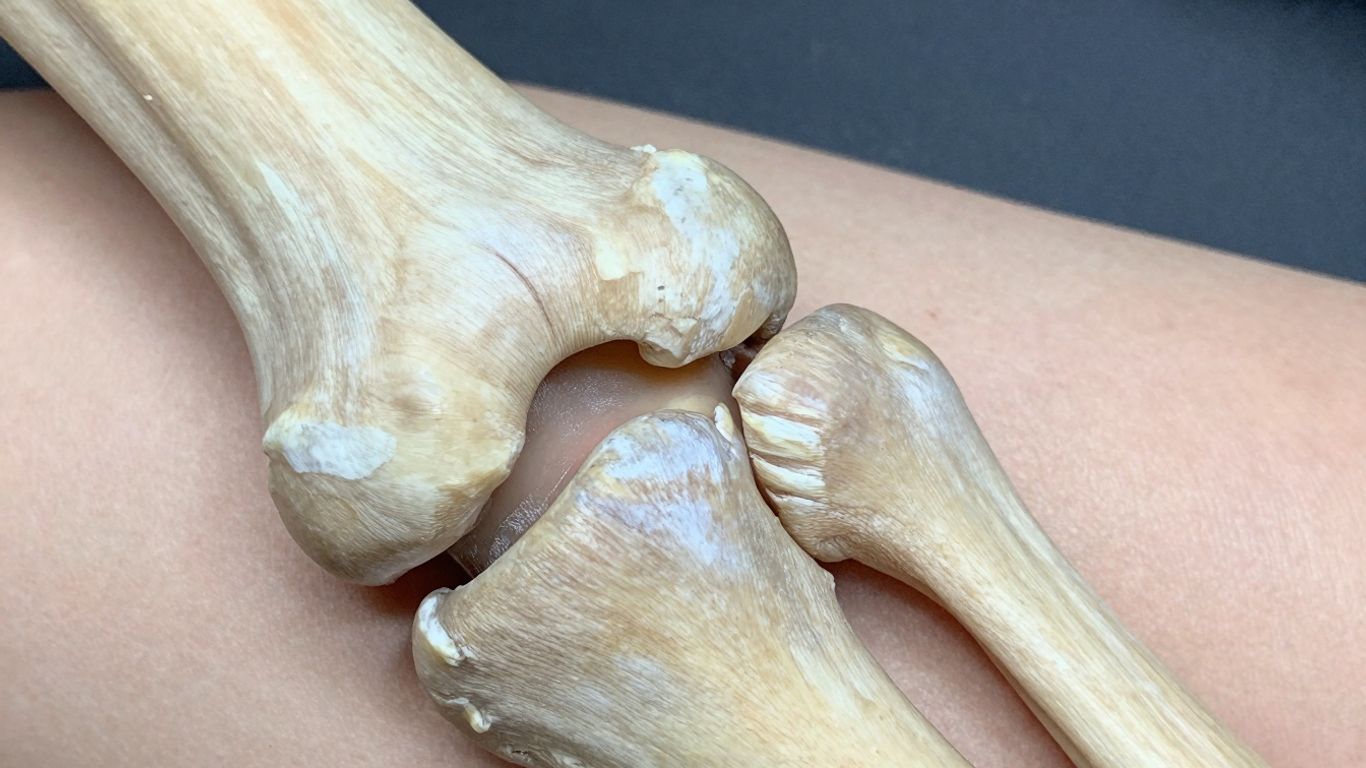
Degenerative joint disease, more commonly known by its other name, osteoarthritis, is a condition that affects our joints. Think of it like the natural wear and tear that happens to things over time, but specifically in the parts of our body that allow us to move. It’s a progressive disorder, meaning it tends to get worse gradually. The main issue is with the cartilage, that smooth, slippery stuff that cushions the ends of our bones. When this cartilage breaks down, bones can start to rub against each other. This friction is what causes the pain, stiffness, and swelling many people experience.
Commonly Known As Osteoarthritis
Most people have heard of osteoarthritis, and that’s exactly what degenerative joint disease is. It’s the most frequent type of arthritis out there, especially as we get older. While age is a big factor, it’s not the only one. Things like genetics, past injuries, or even carrying extra weight can play a role in whether and how severely someone develops osteoarthritis. It can affect any joint, but it’s most often seen in the knees, hips, hands, and spine.
Impact On Quality Of Life
Living with degenerative joint disease can really change things. The constant pain and stiffness can make everyday tasks, like walking, climbing stairs, or even just opening a jar, feel like a huge challenge. This can lead to people becoming less active, which, ironically, can sometimes make the condition worse. It’s not just about the physical discomfort, though. The limitations it imposes can affect your mood, your ability to work, and your overall enjoyment of life. Managing this condition effectively is key to maintaining independence and a good quality of life.
Here are some common ways it can impact daily life:
- Mobility issues: Difficulty walking, standing for long periods, or using stairs.
- Reduced hand function: Problems with gripping, writing, or performing fine motor tasks.
- Sleep disturbances: Pain can make it hard to find a comfortable position to sleep.
- Emotional toll: Frustration, sadness, or anxiety due to limitations and chronic pain.
It’s important to remember that while osteoarthritis is a chronic condition, it doesn’t have to completely take over your life. With the right strategies and support, many people find ways to manage their symptoms and continue to live active, fulfilling lives.
Causes And Risk Factors For Degenerative Joint Disease
So, what actually kicks off this whole degenerative joint disease thing? It’s not just one thing, really. Think of it as a mix of factors that can make your joints decide to call it quits a bit sooner than you’d like.
The Role Of Aging And Genetics
Let’s face it, as we get older, our bodies just don’t bounce back like they used to. Cartilage, that slippery stuff that keeps your bones from grinding against each other, gets thinner and doesn’t repair itself as easily. It’s like a well-worn tire – it just can’t handle the road as well anymore. This natural wear and tear is a big reason why DJD is more common as we age. But it’s not just about getting older. Some people seem to have a genetic lottery ticket that makes them more prone to this. If your parents or grandparents had it, you might be more likely to develop it too. It’s like inheriting a predisposition, making your joints a bit more vulnerable from the start.
Impact Of Obesity And Joint Injuries
Carrying extra weight is a major player here, especially for joints that bear a lot of your body’s load, like your knees and hips. Every extra pound is like adding more pressure to those joints, speeding up the breakdown of that precious cartilage. It’s a simple equation: more weight, more stress, faster wear. Then there are injuries. A bad sprain, a fracture, or even a torn ligament from years ago can set the stage for DJD down the line. That initial damage can change how the joint works, leading to uneven stress and quicker degeneration later on. It’s like a small crack in a foundation that eventually causes bigger problems.
Repetitive Stress And Occupations
Think about jobs that involve a lot of the same movements over and over. Factory workers, athletes, or even people who spend hours typing can put a lot of repetitive stress on specific joints. This constant, low-level strain can wear down cartilage over time, much like repeatedly bending a paperclip until it breaks. Certain occupations that require heavy lifting or prolonged kneeling also put joints under significant duress, increasing the risk. It’s the cumulative effect of these repeated actions that can really take a toll on your joints.
Recognizing The Symptoms Of Degenerative Joint Disease
So, you’re starting to notice some aches and pains in your joints, and you’re wondering what’s going on. It’s easy to brush it off, especially if you’re not as young as you used to be, but it’s worth paying attention to. Degenerative joint disease, or osteoarthritis as it’s more commonly called, often makes its presence known through a few key signs.
Joint Pain and Stiffness
The most common complaint is definitely joint pain. It’s usually a dull ache, and it tends to get worse when you move the joint or after you’ve been inactive for a while. Think about that first step out of bed in the morning – that stiffness you feel? That’s often a hallmark symptom. It can feel like your joints are just not cooperating, and it might take a few minutes for them to loosen up. This pain and stiffness can really make everyday tasks feel like a chore.
Swelling and Reduced Range of Motion
Sometimes, the affected joint might look a bit puffy or swollen. This happens because of inflammation within the joint. Along with the pain and stiffness, you might also notice that you can’t move the joint as freely as you used to. Trying to bend your knee or straighten your elbow might feel restricted. This reduced range of motion can impact your ability to do things like reach for items on a high shelf or even walk comfortably. It’s like your joint has lost some of its flexibility.
Worsening Symptoms Over Time
One of the tricky things about degenerative joint disease is that it tends to creep up on you. The symptoms usually don’t appear all at once. Instead, they tend to gradually get worse over months or even years. What might start as a minor annoyance can eventually become a significant problem that affects your daily life. It’s important to keep an eye on these changes, as early recognition can lead to better management of osteoarthritis.
Here’s a quick rundown of what to look out for:
- Pain that gets worse with activity and better with rest.
- Stiffness, especially in the morning or after periods of inactivity.
- Swelling around the affected joint.
- A feeling of grating or clicking when you move the joint.
- Limited movement or difficulty using the joint fully.
It’s easy to dismiss these signs, especially if you’ve always been active. But listening to your body is key. Ignoring persistent joint pain or stiffness might mean missing an opportunity for early intervention, which can make a big difference in managing the condition long-term.
Diagnosis Of Degenerative Joint Disease
Medical History And Physical Examination
Figuring out if you have degenerative joint disease, or DJD, usually starts with a chat with your doctor. They’ll ask about your symptoms – like when the pain started, what makes it worse, and how it affects your day. They’ll also want to know about your general health, any past injuries, and if anyone in your family has had similar joint problems. After talking, they’ll do a physical exam. This involves checking the affected joints for swelling, tenderness, and how well you can move them. They might gently move your joints to feel for any grinding or stiffness. This initial assessment is key to getting a clear picture.
Imaging Tests For Diagnosis
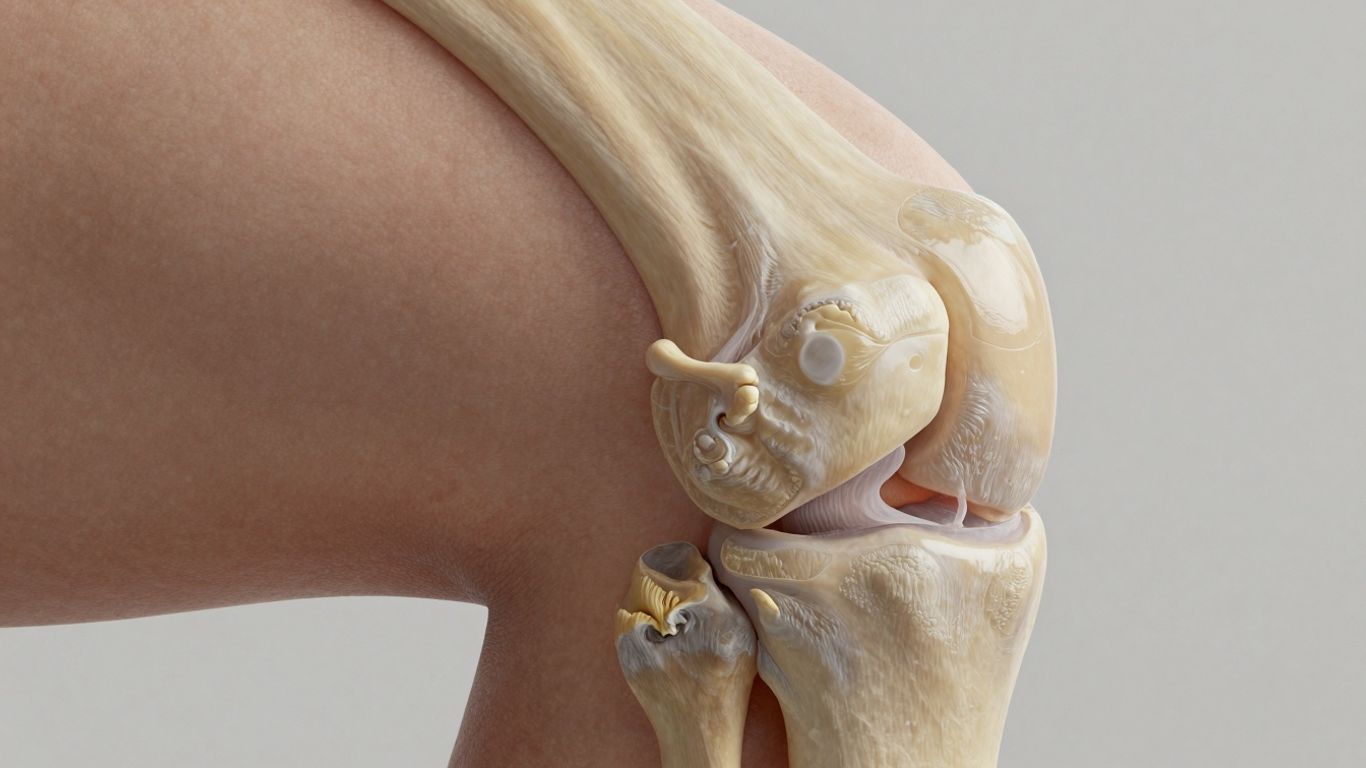
Sometimes, just talking and a physical check aren’t enough. That’s where imaging tests come in. X-rays are pretty common. They can show you the space between your bones – if it’s narrowed, that’s a sign of cartilage loss. You can also see bone spurs, which are extra bits of bone that can form around a worn-out joint. If more detail is needed, an MRI might be ordered. MRIs give a really clear look at soft tissues like cartilage, ligaments, and tendons. They can spot damage that X-rays might miss. Sometimes, a doctor might inject a dye into the joint before an MRI to get an even better view.
Differentiating From Other Joint Disorders
It’s important to remember that joint pain can be caused by a few different things. Your doctor needs to make sure it’s DJD and not something else. For example, rheumatoid arthritis is an autoimmune condition where your body attacks its own joints, causing inflammation. It often affects multiple joints symmetrically and can cause fatigue and fever, which aren’t typical with DJD. Other conditions like gout, which involves uric acid crystals, or infections in the joint, have their own specific symptoms and require different treatments. Your doctor will use all the information gathered – your history, the physical exam, and imaging results – to pinpoint the exact cause of your joint issues.
Effective Management Strategies For Degenerative Joint Disease
Non-Surgical Treatment Options
When it comes to managing degenerative joint disease (DJD), the first step usually involves trying to avoid surgery. Doctors often suggest making some changes to your daily life. This could mean adjusting your diet to help with weight, getting more exercise, and maybe using things like canes or braces to make moving easier. The goal here is to take some pressure off your joints and keep them working as well as they can.
Medications For Pain Relief
Pain is a big part of DJD, and there are several ways to tackle it with medicine. Over-the-counter options like acetaminophen can help with mild pain. For more significant discomfort or inflammation, your doctor might prescribe nonsteroidal anti-inflammatory drugs (NSAIDs), which can be taken orally or applied topically. Sometimes, a corticosteroid injection directly into the affected joint can provide quick, though often temporary, relief from swelling and pain. It’s important to talk with your doctor about the best medication plan for you, as each has its own benefits and potential side effects.
Physical Therapy And Exercise
Physical therapy is a really important part of managing DJD. A physical therapist can show you specific exercises designed to strengthen the muscles around your sore joints. Stronger muscles act like a natural support system, helping to stabilize the joint and reduce the load on the cartilage. They can also guide you on how to move your joints safely to improve flexibility and increase your range of motion without causing more damage. Low-impact activities are usually recommended.
Here are some types of exercises that are often suggested:
- Range-of-motion exercises: These help keep your joints from getting stiff. Think gentle movements like bending and straightening your knees or rotating your shoulders.
- Strengthening exercises: These build up the muscles that support your joints. Examples include leg lifts for knee pain or bicep curls for arm issues.
- Aerobic exercises: Activities like swimming, cycling, or brisk walking get your heart rate up and improve overall fitness without putting too much stress on your joints.
It’s not about pushing through severe pain, but rather finding a balance where you can move your body regularly to keep it functioning well. Consistency is key, even if it’s just for a short period each day.
Lifestyle Modifications For Degenerative Joint Disease
Making changes to how you live your life can really make a difference when you’re dealing with degenerative joint disease, or DJD. It’s not just about popping pills or going to therapy, though those are important too. Think of it as taking charge of your daily habits to give your joints a better chance. These adjustments can help manage pain, improve how well your joints work, and generally make life a bit easier.
Weight Management And Diet
Carrying extra weight is like putting a heavy backpack on your joints all day, every day. For weight-bearing joints like your knees and hips, this extra load speeds up wear and tear. Losing even a few pounds can significantly cut down that pressure. It’s not about drastic diets, but more about finding a sustainable way to eat healthier. Focusing on foods that fight inflammation, like colorful fruits and vegetables, fatty fish rich in omega-3s, and whole grains, can also help. It’s about nourishing your body and your joints from the inside out.
Importance Of Regular Exercise
I know, the last thing you might want to do when your joints ache is exercise. But it’s actually one of the best things you can do. The key is low-impact activities. Think swimming, cycling, or even just walking. These get your joints moving and strengthen the muscles that support them without pounding them into submission. Stronger muscles act like natural shock absorbers. Flexibility exercises are also a big help, keeping your joints from getting too stiff. It’s about finding a balance that works for you and your specific condition.
Posture And Assistive Devices
How you sit, stand, and move matters. Slouching or using poor posture puts unnecessary strain on your spine and joints. Paying attention to how you hold yourself, especially if you sit for long periods, can prevent a lot of discomfort. Sometimes, even with the best posture, joints need a little extra help. This is where assistive devices come in. Things like a cane, a brace, or even special shoe inserts can take pressure off sore joints and make walking or standing much more comfortable. Don’t shy away from them; they’re tools to help you stay mobile.
Making these lifestyle changes isn’t always easy. It takes time and consistency. But the payoff in terms of reduced pain and better joint function is usually well worth the effort. Start small, be patient with yourself, and celebrate the little victories along the way. Protecting your joints is a long-term game, and these habits are your best defense.
Here are some simple ways to start:
- Choose low-impact cardio: Aim for activities like swimming, water aerobics, or cycling for at least 30 minutes most days of the week.
- Incorporate strength training: Use light weights or resistance bands to build muscle around your joints. Focus on exercises that don’t cause pain.
- Stretch regularly: Gentle stretching can improve flexibility and reduce stiffness. Hold stretches for 15-30 seconds without bouncing.
- Consider joint-friendly footwear: Look for shoes with good cushioning and support, especially if you have foot or ankle involvement. protect your joints.
- Use adaptive tools: If lifting or gripping is difficult, consider tools like jar openers or long-handled reachers.
Coping With Degenerative Joint Disease
Living with degenerative joint disease, or osteoarthritis, can be tough. It’s not just about the physical aches and pains; it can really mess with your head too. You might feel frustrated, down, or even anxious about what the future holds. It’s important to remember you’re not alone in this.
Psychological Impact Of The Disease
When your joints hurt and don’t move like they used to, it’s easy to get discouraged. Daily tasks can become a challenge, leading to a sense of loss or helplessness. This can affect your mood and your overall outlook on life. Sometimes, people withdraw from activities they once enjoyed because of the pain or the fear of causing more damage. This isolation can then lead to feelings of loneliness and sadness.
Stress Management Techniques
Finding ways to manage stress is super helpful. When you’re stressed, your body can actually feel more pain. So, trying out some relaxation methods can make a difference. Think about things like:
- Deep breathing exercises: Just a few minutes of focusing on your breath can calm your nervous system.
- Mindfulness or meditation: Paying attention to the present moment without judgment can help reduce worries about pain or the future.
- Gentle stretching or yoga: These can help with flexibility and also promote a sense of calm.
- Spending time in nature: Even a short walk outside can be incredibly restorative.
It’s about finding what works for you to quiet the noise in your head and focus on feeling a bit better, even if just for a little while. Small moments of peace can add up.
Seeking Emotional Support And Groups
Don’t try to tough it out all by yourself. Talking to people who get it can be a game-changer. This could be:
- Friends and family: Let them know how you’re feeling and what you need. Sometimes just having someone listen makes a big difference.
- Support groups: Connecting with others who have degenerative joint disease can provide a sense of community and shared experience. You can swap tips, share frustrations, and celebrate small victories together.
- Mental health professionals: If you’re really struggling with feelings of depression or anxiety, talking to a therapist or counselor can provide tools and strategies to cope.
Remember, taking care of your mental and emotional well-being is just as important as managing the physical symptoms of degenerative joint disease.
Preventing Degenerative Joint Disease Progression
While we can’t completely stop degenerative joint disease (DJD) once it starts, there are definitely things we can do to slow it down and keep our joints happier for longer. It’s all about being smart with how we treat our bodies, especially as we get older or if we’ve had past injuries. Think of it as giving your joints a bit of a break and some extra support.
Protective Measures For Joints
Taking care of your joints involves a few key actions. It’s not about avoiding activity altogether, but rather about being mindful of how you move and what you ask your joints to do. Protecting them means making conscious choices every day.
- Use proper lifting techniques: Always bend your knees and keep your back straight when lifting heavy objects. Let your legs do the work, not your back or knees.
- Wear supportive footwear: Good shoes can make a big difference, especially for your knees and hips. Look for shoes with good cushioning and arch support.
- Consider assistive devices: If you have a joint that’s giving you trouble, don’t be afraid to use a cane or brace. These tools can take pressure off the joint and help you move more comfortably.
- Listen to your body: If a certain activity causes pain, it’s a sign to back off or find a different way to do it.
Delaying Onset Through Healthy Habits
Making healthy choices can really help in delaying the start or slowing the progress of DJD. It’s a long game, and consistency is key. These habits aren’t just good for your joints; they’re good for your whole body.
- Maintain a healthy weight: Carrying extra pounds puts a lot of stress on your weight-bearing joints, like your hips and knees. Even losing a small amount of weight can significantly reduce this pressure.
- Stay active with low-impact exercise: Activities like swimming, cycling, or walking are great. They keep your joints moving and strengthen the muscles around them without causing a lot of jarring.
- Eat a balanced diet: Focus on foods that help reduce inflammation, like fruits, vegetables, and healthy fats. Staying hydrated is also important for joint lubrication.
Prognosis And Long-Term Outlook
When it comes to the long-term outlook for DJD, it really varies from person to person. Some people manage their symptoms well for years with lifestyle changes and treatments, while others might experience more significant limitations. The good news is that with proactive management, most people can maintain a good quality of life and stay active. It’s about adapting and finding ways to keep doing the things you enjoy.
The key takeaway is that while DJD is a chronic condition, it doesn’t have to mean the end of an active life. By focusing on protecting your joints, adopting healthy habits, and working with healthcare providers, you can significantly influence how the disease progresses and how it affects your daily living. Small, consistent efforts really do add up over time to make a big difference in preserving joint function and comfort.
Wrapping Things Up
So, degenerative joint disease, or osteoarthritis as it’s often called, is something a lot of us will deal with as we get older. It’s not a fun condition, but knowing what causes it, what the signs are, and what you can actually do about it makes a big difference. We talked about how lifestyle changes, like watching your weight and staying active with gentle exercises, can really help. Plus, there are medical treatments and even ways to cope with the day-to-day stuff. It’s about taking charge of your health and finding ways to keep doing the things you enjoy, even with a bit of joint pain. It’s a journey, for sure, but you’re not powerless against it.
Frequently Asked Questions
What exactly is degenerative joint disease?
Degenerative joint disease, often called osteoarthritis, is a condition where the cushioning material in your joints, called cartilage, wears away over time. Think of it like the tread on a tire wearing out. When the cartilage is gone, your bones can rub together, causing pain and stiffness.
Is degenerative joint disease the same as arthritis?
Osteoarthritis is a type of arthritis, but not all arthritis is osteoarthritis. Osteoarthritis is the most common kind and happens from ‘wear and tear.’ Other types of arthritis, like rheumatoid arthritis, are different and involve the body’s immune system attacking its own joints.
Can you completely get rid of degenerative joint disease?
Sadly, there’s no cure to make degenerative joint disease disappear completely. It’s a long-term condition. But the good news is that there are many ways to manage the pain and keep your joints working better, so you can still do the things you enjoy.
Does being overweight make degenerative joint disease worse?
Yes, carrying extra weight puts more pressure on your joints, especially your knees and hips. This extra stress can speed up the wearing away of cartilage and make your pain worse. Losing even a little bit of weight can make a big difference.
Can younger people get degenerative joint disease?
While it’s more common as people get older, younger individuals can also develop degenerative joint disease. This can happen if they’ve had a serious injury to a joint, like a fracture, or if it runs in their family.
What are some simple things I can do to help my joints?
Staying active with low-impact exercises like swimming or walking is great for strengthening the muscles around your joints. Eating healthy foods and keeping your weight in check also helps a lot. Sometimes, using a cane or brace can make moving easier too.
We’d Love To Hear From You!
Call 512-255-7246 or click below to schedule an appointment.