

Thoracic Treatments
Dealing with pain in your upper back, the thoracic region, can really throw a wrench in your day.
It makes simple things feel like a big deal, and honestly, it’s just plain annoying.
Whether it’s from sitting too much, sleeping wrong, or just general wear and tear, finding ways to ease that discomfort is key.
There are different ways to tackle thoracic pain, including treatments to give you some lasting relief.
It’s not always about quick fixes; sometimes, it’s about making smarter choices day-to-day.
Upper Back Pain Relief
- Understanding the root causes of thoracic pain, from posture issues to muscle strain, is the first step toward effective treatment.
- Physical therapy and targeted exercises are cornerstones for rebuilding strength and improving posture to manage thoracic pain.
- Non-surgical treatments like spinal decompression and injections offer advanced options for those seeking relief without surgery.
- Medications, both over-the-counter and prescription, can help manage pain symptoms, but should be used wisely.
- Lifestyle changes, including better ergonomics and supportive sleep, play a big role in preventing thoracic pain from coming back.
Understanding Thoracic Pain Causes
Thoracic pain, the kind that hits you in the middle of your back, can really throw a wrench in your day. It’s not as common as lower back issues, but when it strikes, it’s definitely noticeable.
This area, your thoracic spine, is pretty important – it’s the longest part of your spine and connects to your ribs, helping protect things like your heart and lungs while also giving you stability. So, when something goes wrong here, it can really impact how you feel and move.
Poor Posture and Lifestyle Habits
Most of us spend a lot of time hunched over phones, computers, or just generally not standing up straight.
This constant slouching puts a lot of extra pressure on your thoracic spine and the discs between your vertebrae.
It’s like asking your back to hold a heavy weight all day, every day.
Add in a sedentary lifestyle, maybe not getting enough exercise, or even carrying a few extra pounds, and you’ve got a recipe for discomfort. It’s not just about looking good; your posture directly affects the health of your spine.
Muscle Strain and Overuse
Sometimes, it’s simpler than that. You might have just overdone it.
Maybe you lifted something awkwardly, or perhaps your job or a hobby involves a lot of repetitive movements.
These actions can lead to muscle strains or overuse injuries in the thoracic region.
Think of it like overworking any other muscle in your body – it gets sore, tight, and can even lead to sharp pains if you push it too far. This kind of strain can make even simple movements feel difficult.
Degenerative Spinal Conditions
As we get older, our bodies naturally start to wear down. This can include conditions like osteoarthritis, where the joints in your thoracic spine become inflamed and start to degenerate.
Over time, this can lead to stiffness and persistent pain.
Another issue is disc problems, where the cushions between your vertebrae can bulge or herniate. This can sometimes pinch nerves, causing pain that might even travel to other parts of your body.
These aren’t usually sudden injuries but develop over a longer period.
Stress and Mental Health Factors
It might seem surprising, but your mental state can really affect your physical well-being, including back pain.
When you’re stressed, anxious, or depressed, your muscles tend to tense up. This chronic muscle tension, especially in the upper and middle back, can contribute significantly to pain and discomfort.
It’s a bit of a cycle: pain can make you stressed, and stress can make the pain worse.
Paying attention to your mental health is just as important as taking care of your physical body when it comes to managing thoracic pain.
Foundational Thoracic Pain Treatments
When you’re dealing with thoracic pain, the first line of defense often involves treatments that build a strong base for recovery and long-term health.
These aren’t the quick fixes, but the methods that really get to the root of the problem, helping your body heal and become more resilient.
Think of it as laying the groundwork for lasting relief.
Physical Therapy and Rehabilitation
A good physical therapist will look at why you’re having pain and create a plan just for you.
It’s not just about doing exercises; it’s about understanding your body and how it moves.
They might use hands-on techniques to loosen up tight muscles or teach you specific movements to help your spine work better.
The goal is to get you moving more freely and with less discomfort, and to help prevent the pain from coming back.
Targeted Stretching and Strengthening Exercises
This is where you get hands-on with your recovery. Specific stretches can help ease tight muscles in your back and chest that might be pulling things out of alignment.
Strengthening exercises are just as important, though. You’ll want to focus on the muscles that support your thoracic spine.
Building up these muscles acts like a natural brace for your back. It’s about finding the right balance – not too much, not too little. Some common exercises include:
- Cat-Cow Stretch: Great for gently moving the spine.
- Thoracic Extensions: Helps to open up the chest and upper back.
- Scapular Squeezes: Strengthens the muscles between your shoulder blades.
- Bird-Dog: Improves core stability and balance.
It’s really important to do these exercises correctly. Doing them wrong can actually make things worse, so it’s best to get guidance from a professional, especially when you’re starting out. They can show you the proper form and make sure you’re targeting the right muscles without straining anything.
Postural Correction Techniques
As we’ve said, many of us spend a lot of time hunched over desks or phones.
Poor posture puts a lot of stress on your thoracic spine. Correcting it involves becoming more aware of how you sit, stand, and move throughout the day.
This might mean adjusting your workspace, practicing standing tall with your shoulders back, or simply reminding yourself to sit up straight more often.
Making these small changes can have a surprisingly big impact on reducing strain and pain over time. You can find some helpful tips on improving posture that can make a difference.
Advanced Non-Surgical Thoracic Pain Treatments
Non-Surgical Spinal Decompression
When conservative methods like physical therapy aren’t quite cutting it, or if you’re looking to avoid surgery altogether, advanced non-surgical treatments come into play.
One such option gaining traction is non-surgical spinal decompression. This method focuses on gently stretching the spine to relieve pressure on discs and nerves.
It’s particularly helpful for issues like herniated or bulging discs, degenerative disc disease, and pinched nerves that can cause that nagging thoracic pain.
The goal is to create space within the spine, allowing discs to rehydrate and potentially heal naturally.
It’s a non-invasive approach, meaning no needles or surgery, which is a big plus for many people.
Minimally Invasive Injection Procedures
For more stubborn pain, injections can be a targeted way to get relief.
These aren’t your everyday shots; they’re carefully placed to address specific pain generators in the thoracic spine.
Think of things like facet joint injections, which target the small joints along your spine that can become inflamed.
Epidural injections are another option, delivering medication near the spinal cord to reduce inflammation and pain.
These procedures are done with imaging guidance to make sure the medication goes exactly where it’s needed. It’s a way to get potent pain relief without the risks associated with major surgery.
Advanced Modalities for Pain Relief
Beyond decompression and injections, there are other high-tech tools in the pain management toolbox.
Things like radiofrequency ablation can be used to target specific nerves causing pain, effectively turning down their signal.
Pulsed electromagnetic field therapy (PEMF) is another modality that uses electromagnetic fields to promote healing and reduce inflammation at a cellular level.
These advanced treatments are often used when other methods haven’t provided sufficient relief, offering a more specialized approach to tackling persistent thoracic pain. They represent the cutting edge of non-surgical care, aiming for lasting results.
It’s important to remember that these advanced treatments are typically considered after a thorough diagnosis. Your doctor will want to pinpoint the exact cause of your thoracic pain before recommending a specific advanced therapy. This ensures you’re getting the most appropriate and effective treatment for your unique situation, rather than just a generic approach.
Medication and Pain Management Strategies

When thoracic pain becomes a real bother, sometimes you need a little help from medications to get things under control. It’s not always about a quick fix, but more about managing the discomfort so you can actually do the other things, like physical therapy or lifestyle changes, that will help long-term. Think of it as a tool to get you moving again.
Over-the-Counter Pain Relievers
For milder aches, the stuff you can grab at the pharmacy without a prescription can be a good starting point. These usually fall into a couple of categories:
- NSAIDs (Nonsteroidal Anti-Inflammatory Drugs): Think ibuprofen (like Advil or Motrin) or naproxen (like Aleve). These work by reducing inflammation and pain. They’re pretty common for general aches and pains.
- Acetaminophen: This is your Tylenol. It’s more of a pain reliever than an anti-inflammatory, so it’s good for pain but won’t do much for swelling.
It’s really important to follow the directions on the bottle. Taking too much or for too long can cause other problems, like stomach issues or kidney trouble. These are best for short-term use or for managing pain that isn’t too severe.
Prescription Medications and Muscle Relaxants
If the over-the-counter options just aren’t cutting it, your doctor might suggest something stronger. This could include:
- Prescription NSAIDs: These are similar to the ones you buy yourself but are more potent.
- Muscle Relaxants: If your thoracic pain is linked to tight, spasming muscles, a muscle relaxant might be prescribed. These can make you feel pretty sleepy or dizzy, so you’ll want to be careful, especially when driving or operating machinery. They’re usually only for a short period.
- Certain Antidepressants: It might sound odd, but some antidepressants, particularly certain types like duloxetine or tricyclic antidepressants, have shown they can help with chronic pain, including thoracic pain. They work on pain signals in the brain.
- Stronger Medications: Stronger pain relievers are generally reserved for severe pain and only for a very short time because they can be habit-forming and have significant side effects. They’re usually prescribed under close medical supervision.
Topical Pain Relief Options
Sometimes, you just want to target the pain right where it hurts without taking a pill. That’s where topical treatments come in. These are applied directly to the skin over the sore area.
- Creams and Ointments: Many contain ingredients like menthol, camphor, or NSAIDs that can provide a warming or cooling sensation and help reduce pain locally.
- Patches: These stick to your skin and release medication over several hours. They can be convenient for continuous pain relief.
These can be a good option for localized pain and might be used alongside other treatments. They often have fewer systemic side effects than oral medications because they don’t go through your whole body in the same way.
Managing thoracic pain often involves a combination of approaches. Medications can provide much-needed relief, allowing you to engage more effectively in physical therapy and make necessary lifestyle adjustments. It’s all about finding the right balance for your specific situation and working closely with your healthcare provider to ensure safe and effective treatment.
Complementary and Alternative Thoracic Pain Treatments
Sometimes, the usual routes for pain relief just don’t cut it, and that’s where complementary and alternative therapies come into play. These methods often work alongside more traditional treatments, aiming to provide a different kind of relief.
Acupuncture for Pain Relief
This ancient practice involves inserting very thin needles into specific points on the body. The idea is to stimulate the body’s natural healing processes and help manage pain.
Many people report feeling a sense of calm and reduced discomfort after a session. It’s important to find a licensed and experienced acupuncturist to ensure you’re getting safe and effective treatment. They can help pinpoint the right spots to address your thoracic pain.
Massage Therapy Benefits
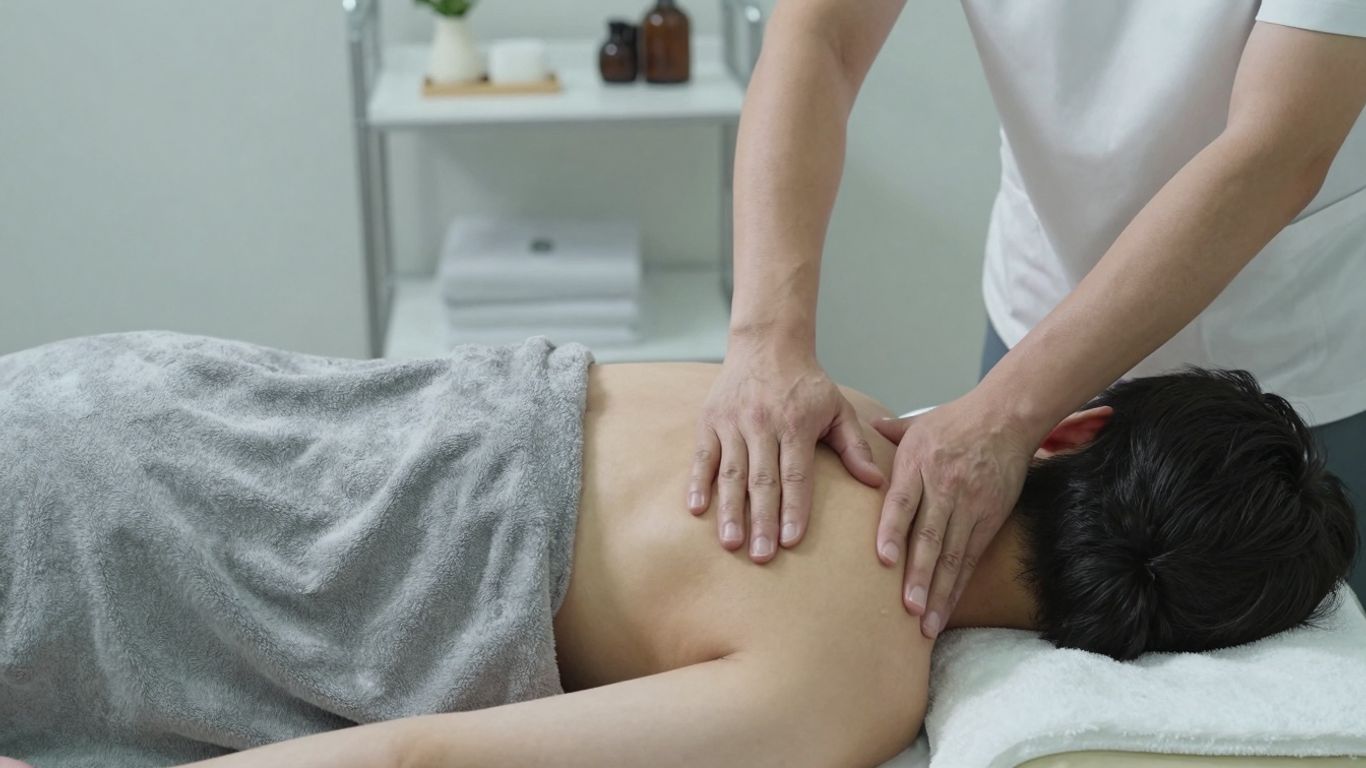
Getting a good massage can do wonders for tight, achy muscles in your upper back. Massage therapy works by manipulating the soft tissues of your body. This can help to:
- Reduce muscle tension and stiffness
- Improve blood circulation to the area
- Promote relaxation and ease stress
- Increase flexibility in the thoracic spine
Different types of massage exist, from deep tissue to Swedish, so you can discuss with your therapist what might be best for your specific pain.
Heat and Cold Therapy Applications
These simple at-home remedies can be surprisingly effective for thoracic pain. They work in different ways:
- Cold Therapy: Best for acute injuries or flare-ups where there might be inflammation. Applying a cold pack can help numb the area and reduce swelling. Use it for about 15-20 minutes at a time.
- Heat Therapy: Great for easing muscle stiffness and tension. A heating pad, warm bath, or hot water bottle can increase blood flow to the muscles, helping them relax. Be cautious not to make it too hot to avoid burns.
The recommendation is to alternate between heat and cold, or to use whichever feels most soothing for your particular pain.
Always check with your doctor or physical therapist before starting, especially if you have circulation issues or other health concerns.
Lifestyle Modifications for Lasting Relief
Making changes to how you go about your day-to-day life can really make a difference when it comes to keeping thoracic pain at bay. It’s not just about treatments you get at a clinic; it’s about what you do when you’re just living your life. Think of it as building a better foundation so the pain doesn’t creep back in.
Ergonomic Adjustments for Daily Life
Your workspace, whether it’s a fancy office setup or just your kitchen table, plays a big role. Slouching over a computer for hours? Yeah, that’s a recipe for thoracic pain. Adjusting your environment to support good posture is key.
- Desk Setup: Make sure your chair supports your back. Your screen should be at eye level so you’re not craning your neck. Your keyboard and mouse should be close enough that your arms are relaxed.
- Breaks: Don’t just sit there forever. Get up and move around every 30 to 60 minutes. Even a quick walk or a few stretches can help.
- Phone Use: Holding your phone between your shoulder and ear? Stop that. Use a headset or speakerphone.
Importance of Supportive Sleep Environments
How you sleep matters too. If your mattress is old and saggy or your pillow is all wrong, you could be setting yourself up for pain before the day even starts.
- Mattress: Aim for a mattress that’s supportive but not rock hard. It should keep your spine in a neutral position.
- Pillows: Your pillow should fill the space between your head and shoulder, keeping your neck aligned with your spine. Side sleepers might need a thicker pillow than back sleepers.
- Sleeping Position: Try to avoid sleeping on your stomach, as this can twist your neck and spine.
Proper Lifting Techniques and Movement
This is a big one, especially if you do any kind of physical work or even just carry groceries. Lifting with your back instead of your legs is a common mistake that leads to injury.
- Bend Your Knees: Always bend at your knees and hips, not your back.
- Keep it Close: Hold the object close to your body.
- Use Your Legs: Push up with your leg muscles, not your back.
- Avoid Twisting: Don’t twist your body while lifting. Move your feet instead.
Making these small adjustments might seem like a lot at first, but they become habits over time. It’s about being mindful of how you move and set up your surroundings to work with your body, not against it. This proactive approach is what truly leads to lasting relief from thoracic pain.
Moving Forward with Thoracic Pain Relief
It’s clear there isn’t just one single answer to address thoracic pain, and what works for one person might not be the ticket for another.
Things like physical therapy, making small changes to how you sit or lift, and even trying out things like heat packs or maybe acupuncture can really make a difference.
Sometimes, more advanced treatments like spinal decompression might be the way to go, especially if things are really stubborn.
The main thing is to figure out what’s causing your pain and then work with a doctor or therapist to build a plan.
Don’t just live with it – there are options out there to help you feel better and get back to doing the things you enjoy.
Frequently Asked Questions
What usually causes pain in the middle of my back?
Lots of things can lead to middle back pain! Often, it’s from sitting or standing in a way that’s not good for your spine, like slouching. Overusing muscles from work or sports can also cause strain. Sometimes, it’s due to wear and tear on the spine as you get older, or even stress and tension.
How can physical therapy help with my back pain?
Physical therapy is super helpful. A therapist will show you special moves to stretch tight muscles and strengthen the ones that support your back. They’ll also help you learn how to stand and move better to avoid hurting yourself again.
Is spinal decompression a safe way to treat back pain?
Yes, non-surgical spinal decompression is a gentle way to treat back pain. It involves carefully stretching your spine to relieve pressure on the discs. It’s not surgery, so there are no needles or drugs involved, and many people find it very effective for long-term relief.
When should I consider taking medicine for my back pain?
For mild pain, over-the-counter options like ibuprofen might help. If the pain is more serious or doesn’t get better, a doctor might suggest stronger prescription medicines or muscle relaxants. There are also creams and patches you can put on your skin for relief.
Can things like acupuncture or massage help my back pain?
Many people find relief with these methods! Acupuncture involves thin needles placed at specific spots to help your body heal and reduce pain. Massage therapy can loosen up tight muscles and help you relax. They’re often used alongside other treatments.
What simple changes can I make in my daily life to prevent back pain?
Making small adjustments can make a big difference. Try to improve your posture by standing and sitting up straight. Make sure your workspace is set up comfortably. Use good techniques when lifting heavy things, and make sure your bed supports your back well while you sleep.
Our Services
Treatments and Therapies

Cervical Treatments

Thoracic Treatments

Lumbar Treatments

Cutting Edge Pain Treatments

Implants & Services

Rejuvenation Therapies
We’d Love To Hear From You!
Call 512-255-7246 or click below to schedule an appointment.