

Rejuvenation Therapies
Dealing with pain can really throw a wrench in your life. Whether it’s a nagging ache from an old injury or something new that just won’t quit, it makes everything harder.
For a long time, we’ve had to just deal with it, maybe trying a few things that offered some relief but never quite fixed the problem.
But now, things are changing. We’re seeing new ways to help our bodies heal themselves, and it’s pretty exciting stuff.
This is about more than just masking the pain; it’s about actually fixing what’s wrong and getting back to feeling like yourself again. Let’s explore what these new treatments are all about.
Pain Rejuvenation Therapies
- Pain Rejuvenation Therapies focus on using the body’s own healing power to fix damage, not just cover up pain.
- Treatments like stem cells and PRP help rebuild tissues, offering a way to heal from the inside out.
- These therapies can help with all sorts of problems, from sports injuries to everyday aches and pains, and even after surgery.
- The goal is often faster recovery and less pain, letting people get back to their lives quicker.
- This is a growing field in medicine, promising better ways to manage pain and improve overall health for the long run.
Understanding Pain Rejuvenation Therapies
The Science Behind Tissue Regeneration
Our bodies have this amazing ability to fix themselves. When we get hurt, cells get to work repairing the damage.
This whole process is called tissue regeneration. Think of it like a construction crew showing up after a storm to rebuild a damaged house.
Different cells have different jobs, like cleaning up debris, bringing in new building materials, and then putting it all back together stronger than before.
This natural healing power is what pain rejuvenation therapies aim to boost.
We’re not talking about magic here, but rather using science to give the body a helping hand when it needs it most. It’s about understanding the signals that tell cells to start repairing and then amplifying those signals.
How Pain Rejuvenation Therapies Work
These therapies introduce substances or use energy to kickstart the body’s own repair mechanisms. It’s not about masking pain, but about fixing the underlying issue.
Some therapies might involve injecting things like your own platelets, which are packed with growth factors that tell cells to heal.
Others use specific types of energy, like low-level lasers, to reduce swelling and encourage cell activity.
The goal is to get the damaged tissue back to its healthy state, which naturally leads to less pain and better function. It’s a more natural approach compared to just taking pills.
Benefits Beyond Pain Relief
While getting rid of pain is obviously a huge plus, these therapies often do more. Because they’re focused on actual tissue repair, you can see improvements in how well the body part works.
This means better movement, more strength, and a quicker return to activities you enjoy. It’s like fixing the foundation of a house so it’s not just stable, but also more comfortable and functional.
Some people even report feeling more energetic overall, which makes sense when your body isn’t constantly fighting inflammation or dealing with damaged tissues.
Here’s a quick look at some common benefits:
- Reduced inflammation
- Improved tissue strength
- Faster recovery from injuries
- Increased range of motion
- Less reliance on pain medication
The idea is to work with the body’s natural healing processes, not against them. By giving cells the right signals and resources, we can help them do what they do best: repair and rebuild.
Innovations in Pain Rejuvenation Therapies
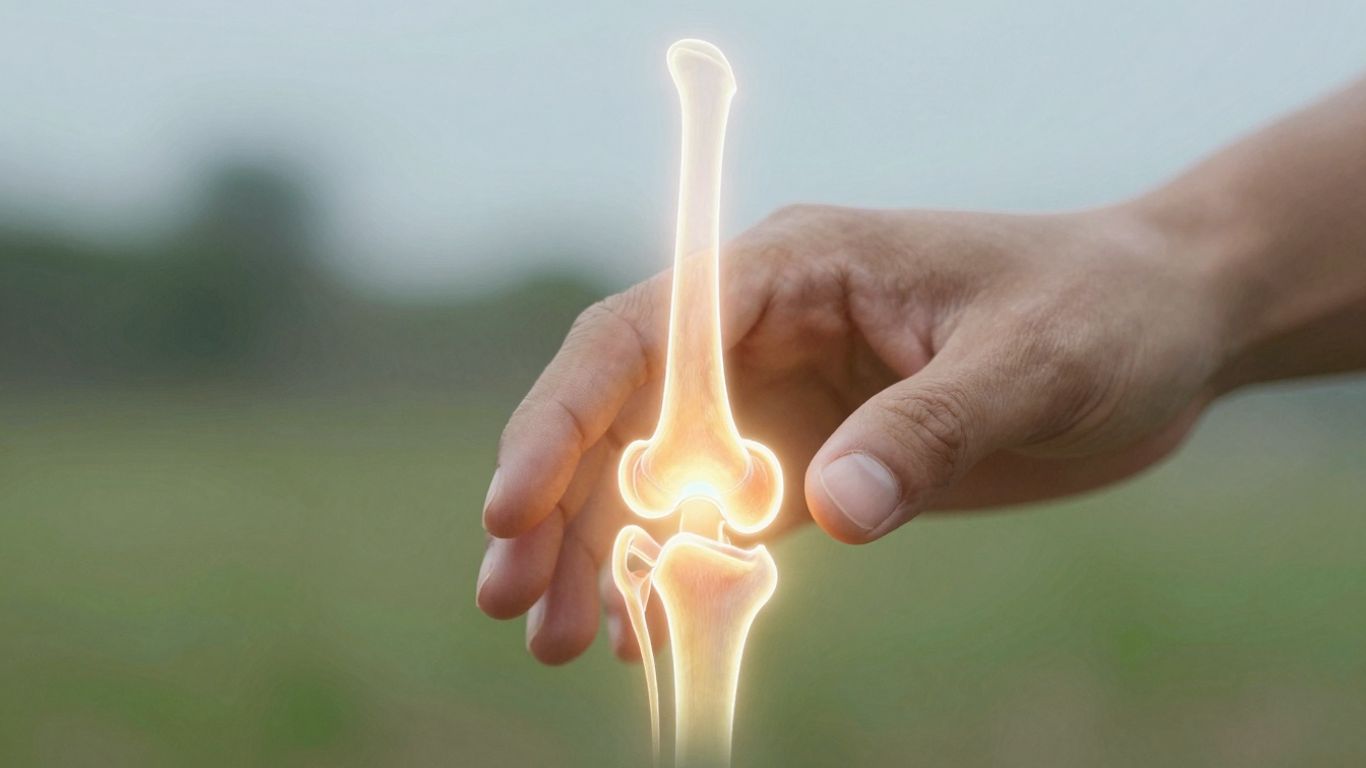
We’re seeing some really exciting new approaches pop up in the world of pain management, moving beyond just masking symptoms to actually helping the body fix itself. It’s like giving your body the tools it needs to get back to its best.
Stem Cell Therapy for Healing
Stem cells are like the body’s master builders. They have this amazing ability to turn into different types of cells needed to repair damaged tissue.
When we talk about using them for pain, we’re often looking at conditions where cartilage, bone, or muscle has worn down or been injured.
The idea is to inject these special cells into the problem area, and they get to work, helping to rebuild and regenerate.
It’s still a developing field, and research is ongoing, but the potential is pretty significant for things like osteoarthritis or certain types of back pain.
Platelet-Rich Plasma (PRP) Applications
PRP is a concentrated dose of your own body’s healing power. We take a small sample of your blood, spin it down to separate out the platelets (which are packed with growth factors), and then re-inject that concentrated plasma back into the injured area.
It’s been used for a while now for things like tendon injuries, like tennis elbow or Achilles tendinitis, and even for some joint issues.
The growth factors in PRP are thought to kickstart the healing process and reduce inflammation. It’s a pretty straightforward procedure, and many people find it helpful.
Bioactive Scaffolds in Regenerative Medicine
This is a bit more advanced, but super interesting.
Bioactive scaffolds are essentially structures, often made from natural or synthetic materials, that are designed to support tissue growth.
They act like a framework, guiding new cells to grow and organize properly.
Sometimes these scaffolds are loaded with growth factors or even cells themselves.
The goal is to help regenerate larger or more complex tissue structures that might be difficult to heal otherwise. It’s like building a support system for your body’s repair crew.
The focus here is on using the body’s own natural processes, amplified by these new technologies, to achieve lasting healing rather than just temporary relief. It’s a shift towards truly restorative medicine.
Applications of Pain Rejuvenation Therapies
Addressing Tendon and Ligament Injuries
When you’ve got a nagging tendon or ligament injury, it can really throw a wrench in your daily life.
Think about athletes sidelined with a torn ACL or someone struggling with chronic Achilles tendinitis.
These kinds of injuries often mean a long, slow recovery, and sometimes, they don’t heal as well as we’d hope. That’s where pain rejuvenation therapies come in.
They’re not just about masking the pain; they’re about getting to the root of the problem and helping your body rebuild itself. Therapies like platelet-rich plasma (PRP) injections can give your body the building blocks it needs to repair damaged tissues. I
t’s pretty amazing stuff, really. The idea is to kickstart your body’s natural healing processes, potentially leading to faster and more complete recovery than traditional methods.
Managing Chronic Pain Conditions
Living with chronic pain, like persistent low back pain or osteoarthritis, can feel like a constant battle.
It affects everything – your mood, your ability to work, and just enjoying life. For years, the go-to treatments often involved medications with side effects or invasive procedures.
Regenerative medicine offers a different path. Instead of just managing symptoms, these therapies aim to heal the underlying damage that’s causing the pain.
For instance, studies are looking into how PRP injections can help with conditions like osteoarthritis by reducing inflammation and promoting cartilage repair.
It’s a shift towards treating the source of the problem, not just the feeling of pain.
This approach holds promise for long-term relief and improved function, especially for older adults who might be more susceptible to the side effects of other treatments.
Accelerating Post-Surgical Recovery
After surgery, everyone wants to get back to their normal routine as quickly as possible.
But recovery can be slow, and sometimes complications arise. Pain rejuvenation therapies are showing real potential in speeding up this process.
By stimulating the body’s natural repair mechanisms, these treatments can help reduce inflammation, promote tissue regeneration, and ultimately shorten the time it takes to heal.
This means less downtime, less discomfort, and a quicker return to activities you enjoy. It’s about giving your body a helping hand to do what it does best – heal.
The focus is on using your body’s own resources to rebuild and repair damaged tissues, offering a more natural approach to recovery and pain management. This can lead to better long-term outcomes and a reduced reliance on temporary fixes.
Here’s a quick look at what these therapies can help with:
- Tendon and Ligament Injuries: Aiding in the repair of tears and strains.
- Osteoarthritis: Reducing inflammation and promoting cartilage health.
- Chronic Back Pain: Targeting degenerative changes in the spine.
- Post-Surgical Healing: Speeding up recovery after operations.
The Patient Experience with Pain Rejuvenation
What’s it actually like to go through these pain rejuvenation therapies?
It’s not just about the science or the fancy needles; it’s about how it feels for you, the person seeking relief. The whole process is really geared towards making things as smooth and effective as possible.
Personalized Treatment Plans
Forget one-size-fits-all approaches. When you come in for these therapies, the first thing that happens is a good, long talk.
Doctors want to know your history, what hurts, when it hurts, and what you’ve tried before.
They’ll likely do some physical exams and maybe even look at imaging like X-rays or MRIs.
Based on all that, they map out a plan that’s just for you. It’s not just about injecting something; it’s about figuring out the best way to get your body healing itself.
Real-Life Success Stories
It’s always good to hear from people who’ve been there. Many patients report significant improvements in their pain levels and daily function after undergoing treatments like Platelet-Rich Plasma (PRP) or stem cell therapy.
For instance, studies have shown that PRP injections can lead to noticeable reductions in pain scores for conditions affecting the spine and joints.
Some individuals find relief that lasts for months, even up to a year or more, allowing them to get back to activities they love.
Here’s a quick look at what some studies have indicated:
| Therapy Type | Condition Treated | Key Outcome Measure | Typical Improvement | Follow-up Period |
|---|---|---|---|---|
| PRP Injections | Low Back Pain (Facet Joints) | VAS & RMQ Scores | Significant decrease | Up to 3 months |
| Leukocyte-free PRP | Various Spinal Issues | NRS & ODI Scores | Significant improvement | 1-24 months (mean 5) |
| Bone Marrow-MSCs | Various Spinal Issues | VAS & ODI Scores | Significant improvement | 1-12 months |
| Adipose-derived MSCs | Various Spinal Issues | VAS & ODI Scores | Significant decrease | Up to 5 years |
Safety and Efficacy of Treatments
When it comes to any medical procedure, safety is always top of mind.
These regenerative therapies are generally considered safe, especially when performed by experienced professionals.
Side effects are usually minimal and temporary, often related to the injection site itself, like a bit of soreness or bruising.
The goal is always to provide effective relief with the lowest possible risk. It’s about helping your body heal naturally, which is a big plus for many people looking for alternatives to traditional medications or surgery.
The focus is on harnessing your body’s own healing power. This means treatments are often less about fighting symptoms and more about addressing the root cause of the pain by encouraging tissue repair and regeneration. It’s a gentler, more natural approach to recovery.
Embracing a Future of Accelerated Healing
The Evolving Landscape of Pain Management
It feels like just yesterday we were talking about basic rest and ice for injuries.
Now, things are moving so fast. The way we handle pain and recovery is changing, and it’s pretty exciting.
We’re seeing a real shift from just managing symptoms to actually fixing the underlying issues.
This means less time spent feeling miserable and more time getting back to what you love doing. It’s not just about athletes anymore, either. Anyone dealing with aches and pains can potentially benefit from these new approaches.
Investing in Longevity and Vitality
Wouldn’t you rather invest in treatments that help your body heal itself and last longer, rather than just putting a band-aid on a problem?
That’s the idea behind these regenerative therapies. They’re all about giving your body the tools it needs to repair and rebuild.
This isn’t just about getting over an injury quickly; it’s about improving your overall health and staying active for years to come. It’s a proactive way to think about your well-being.
Here’s a quick look at what’s driving this change:
- Focus on natural healing: Using your body’s own processes.
- Minimally invasive options: Less downtime and fewer side effects.
- Personalized care: Treatments tailored to your specific needs.
- Long-term benefits: Aiming for lasting recovery, not just temporary relief.
The Next Frontier in Healthcare
We’re really just scratching the surface of what’s possible. The science is constantly moving forward, and what seems like advanced treatment today might be standard practice tomorrow.
It’s a dynamic field, with researchers always looking for new ways to help people heal faster and better.
This new era of healing is about more than just recovering from an injury; it’s about reclaiming your life with renewed vigor.
The potential for these therapies to impact everything from sports medicine to everyday aches is huge. It’s a hopeful time for anyone seeking effective, lasting solutions for pain and injury.
Stepping into a New Era of Healing
It’s pretty clear that we’re moving past just masking symptoms and actually getting to the root of pain problems.
Things like laser therapy, which helps with pain and swelling without any needles or surgery, are becoming more common. And treatments that help your body heal itself are showing real promise for faster recovery after injuries or operations.
It feels like a big step forward, offering a safer and more effective way to get back to feeling like yourself again.
The future looks a lot brighter for anyone struggling with pain, with more options that focus on true healing and getting you back to doing what you love.
Frequently Asked Questions
What exactly are pain rejuvenation therapies?
Think of them as treatments that help your body heal itself, kind of like giving it a boost to fix damaged parts. Instead of just masking pain, these therapies aim to repair the underlying issues, making you feel better for longer.
How do these therapies make my body heal better?
They often use natural things from your own body, like special cells (stem cells) or parts of your blood (like platelets). These helpers encourage your body to grow new, healthy tissue where it’s been hurt, which can fix the problem and reduce pain.
Are these treatments safe?
Generally, yes! Since many of these therapies use your own body’s materials, the risk of problems is usually low. They’re often a gentler way to heal compared to surgery or strong medications, with fewer side effects.
Who can benefit from pain rejuvenation therapies?
Lots of people! If you have injuries to things like tendons or ligaments, or if you’re dealing with ongoing pain that doesn’t get better easily, these treatments might be a great option. They can also help speed up recovery after surgery.
Will I feel better right away?
It’s not usually instant. Your body needs time to do its healing work. While some people notice less pain fairly quickly, it often takes a few weeks or months to see the full results as your tissues repair and strengthen.
What’s the difference between these and regular treatments?
Regular treatments often focus on managing pain symptoms, like taking medicine or doing physical therapy. Rejuvenation therapies go deeper, aiming to fix the actual damage in your body so the pain doesn’t come back as easily, leading to longer-lasting relief.
Our Services
Treatments and Therapies
Cervical Treatments
Epidural Steroid Injection
Thoracic Treatments
Epidural Steroid Injection
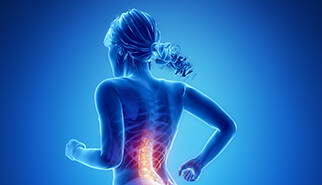
Lumbar Treatments
Lumbar Epidural Steroid Injections
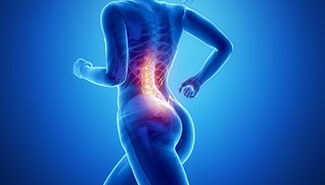
Cutting Edge Pain Treatments
Dorsal Root Ganglion Therapy
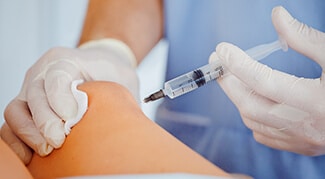
Implants & Services
Peripheral Nerve Blocks
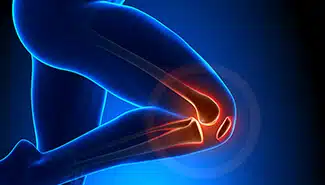
Rejuvenation Therapies
Dr. Kaplan uses a number of therapies
We’d Love To Hear From You!
Call 512-255-7246 or click below to schedule an appointment.