

Lumbar Treatments
Dealing with lower back pain is a real pain. It seems like so many people are going through it, and honestly, it can really mess with your day-to-day life.
You try to go about your business, but this ache just keeps reminding you it’s there.
It’s not just the physical discomfort, either. It can make work tough, cost a lot in doctor visits, and just generally make you feel less than great.
About Lumbar Spine Pain
- Understanding the basic layout of your lumbar spine, what usually causes back pain, and the factors that can make it worse is the first step in finding relief.
- Many people find relief through less invasive methods like exercise, physical therapy, and chiropractic adjustments, which focus on movement and body mechanics.
- While sometimes necessary, using pain medications like opioids for back pain needs careful consideration due to potential risks, and strategies are available to manage their use.
- For some, more advanced treatments like nerve stimulation or artificial disc surgery might be options, but these are typically considered when other methods haven’t worked.
- A good approach often involves combining different strategies, like physical exercises with mental health support, and tailoring the plan specifically to your individual situation and needs.
Understanding Lumbar Pain Treatments
Lower back pain is a really common issue, affecting tons of people no matter their age or job.
It’s not just about the discomfort; it can mess with your ability to work and just generally enjoy life.
So figuring out what’s causing it and what can help is a big deal.
To really get a handle on how to treat it, we first need to look at what’s going on with the lumbar spine itself, what usually causes the pain, and how we think about pain in general.
Anatomy Of The Lumbar Spine
The lumbar spine, or your lower back, is a pretty complex part of your body. It’s made up of five vertebrae, which are the bones stacked on top of each other.
Between these bones are discs, kind of like shock absorbers, that help cushion movement.
Then you’ve got muscles and ligaments all around, giving support and keeping things stable.
Nerves also run through this area, and if they get pinched or irritated, that’s often where the pain comes from.
Common Causes And Risk Factors
Why do people get lower back pain? Sometimes it’s a simple muscle strain from lifting something heavy the wrong way.
Other times, it could be a herniated disc, where the soft center of a disc pushes out.
Degenerative disc disease, where the discs wear down over time, is also a big one, especially as people get older.
Things like spinal stenosis, which is a narrowing of the spinal canal, or osteoarthritis, a type of arthritis, can also cause problems.
Lifestyle factors also play a role. Being overweight, not moving much, smoking, or having a job that’s tough on your back, either physically or mentally, can all increase your risk.
The Biopsychosocial Model Of Pain
When we talk about pain, especially chronic pain, it’s not just about what’s happening physically.
The biopsychosocial model is a way of looking at pain that includes biological factors (like the actual injury or condition), psychological factors (like your mood, stress levels, and how you cope), and social factors (like your relationships, work situation, and support system).
All these things interact and influence how much pain you feel and how it affects your life.
For example, if you’re really stressed about your job and feeling down, you might notice your back pain more.
Or, if you have a strong support system, you might manage the pain better. This model helps us understand that treating back pain often needs to consider more than just the physical symptoms.
Conservative Approaches To Lumbar Pain

When it comes to dealing with low back pain, the first line of defense often involves methods that don’t require surgery or strong medications.
These are what we call conservative approaches, and they’re all about getting you moving and managing your pain in a more hands-on, active way.
The idea is to address the root causes and help your body heal itself.
Exercise Therapy For Back Pain
Instead of just resting, which used to be the go-to advice, we now know that specific exercises can make a huge difference.
It’s not about pushing yourself too hard, especially at first, but about finding movements that help strengthen the muscles supporting your spine and improve flexibility. Think of it as retraining your back to work properly.
- Core Strengthening: Exercises that target your abdominal and back muscles to create a stable “corset” around your spine.
- Flexibility and Stretching: Gentle movements to improve range of motion and reduce muscle tightness.
- Aerobic Activity: Low-impact activities like walking or swimming to improve overall fitness and blood flow.
The goal is to gradually increase your activity level as your pain allows.
The Role Of Physical Therapy
Physical therapists are like movement experts for your body. They’ll assess your specific situation and create a personalized plan.
This often includes exercise therapy, but it goes further. They can teach you proper body mechanics for everyday tasks, like lifting or sitting, to prevent future pain.
- Assessment: A thorough evaluation of your posture, movement patterns, and muscle strength.
- Manual Therapy: Hands-on techniques to relieve muscle tension and improve joint mobility.
- Education: Learning how to manage your pain and prevent flare-ups.
Physical therapy focuses on empowering you to take an active role in your recovery. It’s about building resilience and understanding your body better.
Manual Adjustments And Chiropractic Care
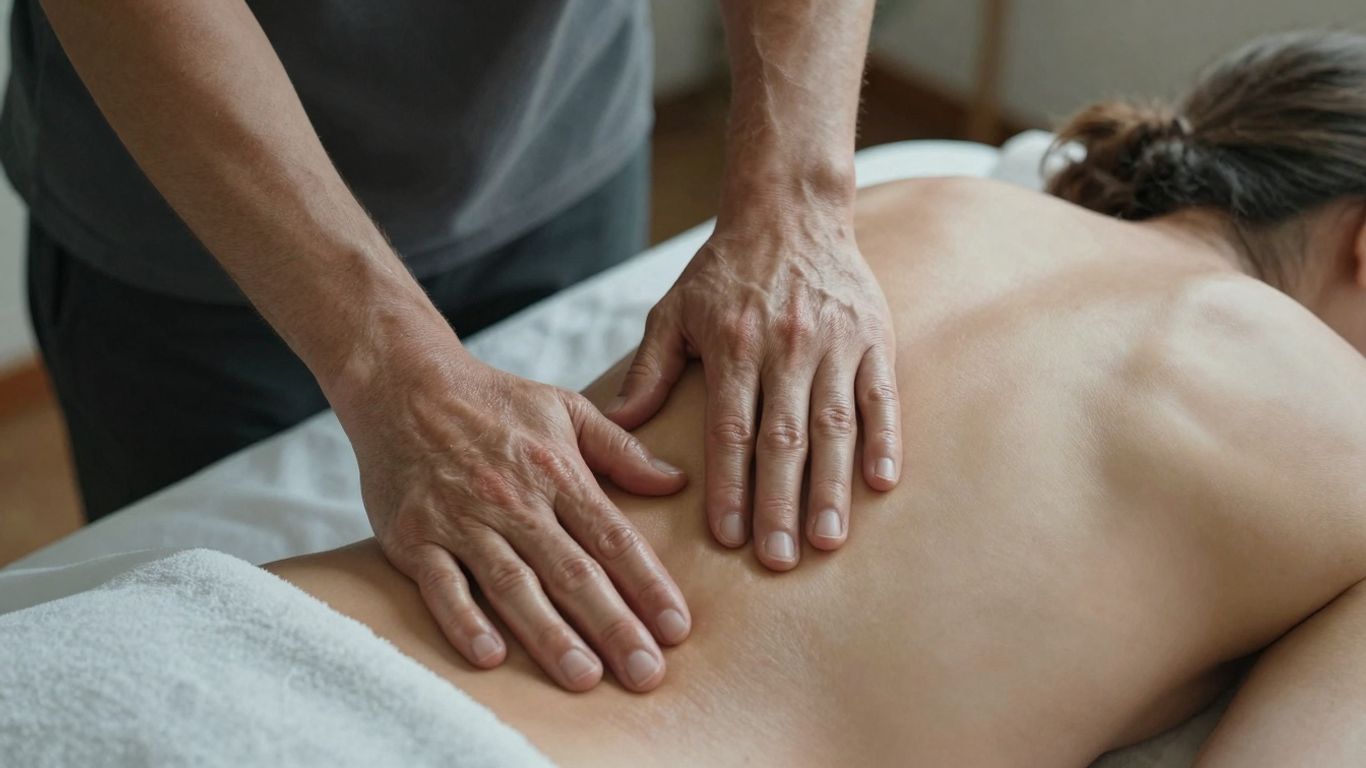
Chiropractors and other manual therapists use hands-on techniques to address issues with the spine and its surrounding structures. This can involve spinal manipulation, mobilization, and soft tissue work. The aim is to restore proper joint movement and reduce nerve irritation.
- Spinal Manipulation: A controlled, sudden force applied to a joint to improve its range of motion.
- Mobilization: Slower, gentler movements to increase joint flexibility.
- Soft Tissue Techniques: Massage or stretching to release tight muscles.
These methods can be quite effective for some individuals, particularly when combined with other conservative treatments like exercise.
Pharmacological Interventions For Lumbar Pain
When conservative methods aren’t quite cutting it for lumbar pain, medications can step in to help manage discomfort and inflammation. It’s not usually the first line of defense, but sometimes, drugs play a role in getting you back on track.
Understanding Opioid Prescribing
Opioids are powerful pain relievers, and for severe back pain, they might be considered.
However, their use for lumbar pain is a really sensitive topic. The trend is definitely moving away from relying on opioids, especially for non-specific back pain, due to the risks of dependence and addiction.
Doctors are now much more cautious about prescribing them, and if they are used, it’s typically for a very short period and under close supervision.
The goal is to manage acute, severe pain while actively working on other strategies to reduce reliance on these medications.
Mitigation Strategies For Opioid Use
Because of the risks associated with opioids, there’s a big push to use them only when absolutely necessary and to have clear plans for how to reduce their use. This often involves:
- Patient Education: Making sure patients understand the risks and benefits, and the importance of using them exactly as prescribed.
- Setting Clear Goals: Defining what level of pain relief is needed and for how long, with a plan to taper off the medication.
- Exploring Alternatives: Actively using non-opioid pain relievers, physical therapy, and other treatments alongside or instead of opioids.
- Monitoring: Regular check-ins with your doctor to assess effectiveness and watch for any signs of misuse or dependence.
It’s really important to have an open conversation with your doctor about pain management. They can help you understand all the options, including medications, and create a plan that’s safe and effective for your specific situation. Don’t hesitate to ask questions about how a medication works, potential side effects, and how long you might need to take it.
Sometimes, other types of medications are used for back pain too.
For instance, NSAIDs (like ibuprofen) can help with inflammation, and in some cases, doctors might prescribe muscle relaxants or even certain antidepressants or anticonvulsants if nerve pain is a factor.
These are generally considered safer and less addictive than opioids, but they still come with their own set of potential side effects that should be discussed with your healthcare provider.
Advanced Lumbar Pain Treatments
Restorative Neurostimulation Therapy
When other methods haven’t quite hit the mark for chronic low back pain, especially the kind that’s mechanical in nature, there are some more involved options to consider.
One such approach is restorative neurostimulation therapy. Think of it as a way to “retrain” your nerves and muscles.
It’s a minimally invasive treatment that uses a small device to send electrical impulses to specific nerves in the lower back.
The goal is to help the muscles work better and reduce pain signals. It’s not about masking the pain, but rather trying to get the body’s own systems working more effectively. This therapy is often considered for people who have persistent pain that hasn’t responded well to more common treatments.
Artificial Disc Replacement
For certain types of lumbar pain, particularly those caused by degenerative disc disease or a herniated disc that hasn’t improved with conservative care, artificial disc replacement might be an option.
This is a surgical procedure where a damaged disc in the spine is removed and replaced with an artificial one.
The idea is to restore normal spacing between the vertebrae and allow for more natural movement, which can help alleviate pain and improve function.
It’s a pretty significant step, and not everyone is a candidate. Doctors will look closely at your specific condition, including the location and severity of the disc problem, and how it’s affecting your life.
It’s important to remember that these advanced treatments are typically reserved for cases where less invasive options haven’t provided sufficient relief.
Here’s a quick look at what these treatments involve:
- Restorative Neurostimulation:
- Aims to improve muscle function and reduce pain signals.
- Minimally invasive procedure.
- Often considered for chronic mechanical low back pain.
- Artificial Disc Replacement:
- Surgical option for specific disc-related issues.
- Replaces damaged disc with an artificial implant.
- Goal is to restore motion and reduce pain.
Deciding on advanced treatments like neurostimulation or disc replacement involves a thorough evaluation. Your doctor will weigh the potential benefits against the risks, considering your overall health and the specific nature of your back pain. It’s a conversation that requires careful thought and clear communication with your healthcare team.
Holistic And Multimodal Lumbar Pain Strategies
Low back pain is complicated, right? It’s not just one thing. That’s why just focusing on one type of treatment often doesn’t cut it. We’re talking about a holistic approach here, which means looking at the whole picture – your body, your mind, and your life.
Functional Musculoskeletal Approach
This is about checking out how your muscles and bones are actually working together, or not working together, as the case may be. It goes beyond just saying ‘your back hurts’ and looks at things like how you move, your posture, and if certain muscles are too tight or too weak.
It’s about finding those specific physical issues that might be contributing to your pain.
Psychosocial Interventions
How you feel mentally and emotionally can really impact your pain.
Stress, anxiety, or feeling down can make pain feel worse, and chronic pain can definitely make you feel stressed and anxious.
Psychosocial interventions, like talking therapies or learning coping strategies, help you manage these feelings. They aim to change how you think about and react to pain.
Tailoring Treatment To Individual Needs
No two people with back pain are exactly alike. What works for your neighbor might not work for you.
This is where tailoring comes in. It means taking all the information – your specific pain, your physical issues, your mental state, your lifestyle – and creating a treatment plan that’s just for you.
It’s about combining different therapies in a way that makes sense for your unique situation.
Here’s a look at how different elements might be combined:
- Physical Therapies: Exercise, stretching, manual therapy.
- Psychological Support: Cognitive behavioral therapy, mindfulness, stress management.
- Lifestyle Adjustments: Sleep hygiene, nutrition, pacing activities.
- Pain Management Techniques: Education, medication review (if applicable).
The idea is to build a treatment plan that addresses all the different parts of your pain experience. It’s not just about fixing a ‘broken’ part, but about helping your whole system work better together to manage pain and improve your daily life. This often involves a team of healthcare professionals working together.
Choosing The Right Lumbar Pain Treatment
So which lower back pain treatment is actually right for you? It’s not a one-size-fits-all situation, and figuring out the best path forward can feel a bit overwhelming. Let’s break down how to make a more informed decision.
Assessing Pain Severity and Duration
First off, how bad is the pain, and how long has it been hanging around?
Acute pain, the kind that pops up suddenly and usually sticks around for a few weeks, might respond well to simpler treatments like rest, gentle movement, or over-the-counter pain relievers.
Chronic pain, on the other hand, the kind that’s been a constant companion for months or even years, often needs a more layered approach.
It might involve a combination of therapies and a longer-term management plan. Think about it like this:
- Sudden onset, short duration (acute): Often responds to initial conservative care.
- Gradual onset, long duration (chronic): May require a more persistent and varied treatment strategy.
- Intermittent pain: Needs strategies for flare-ups and periods of relief.
Considering Underlying Causes
What’s actually causing the pain is a huge piece of the puzzle.
Is it a simple muscle strain from lifting something heavy? Or is it something more complex like a herniated disc, spinal stenosis, or even arthritis?
Sometimes, the cause isn’t purely physical; stress and mood can play a surprisingly big role too.
Knowing the root cause helps steer you toward treatments that actually address the problem, rather than just masking the symptoms.
For instance, if imaging shows a specific structural issue, treatments targeting that might be more effective. If it’s more general stiffness and weakness, a focus on exercise and physical therapy makes more sense.
It’s important to remember that back pain is complex. What works for one person might not work for another, even if their symptoms seem similar on the surface. A thorough evaluation by a healthcare professional is key to uncovering the specific factors contributing to your discomfort.
Evaluating Treatment Benefits and Risks
Every treatment comes with its own set of pros and cons.
Medications might offer quick relief but can have side effects or risks of dependency, especially opioids.
Surgery can be very effective for certain conditions, but it’s invasive and carries risks like infection or a long recovery period.
Even therapies like physical therapy require time and effort. It’s about weighing the potential good against the potential downsides for each option. A table can help visualize this:
| Treatment Type | Potential Benefits | Potential Risks/Considerations |
|---|---|---|
| Exercise Therapy | Improved strength, flexibility, pain reduction | Can worsen pain if done incorrectly, requires consistency |
| Physical Therapy | Targeted exercises, manual therapy, education | Time commitment, cost, may not be covered by all insurance |
| Medications (OTC/Rx) | Pain relief, reduced inflammation | Side effects, dependency (opioids), masking underlying issues |
| Surgery | Corrects structural issues, significant pain relief | Invasive, infection risk, long recovery, potential complications |
| Restorative Neurostim. | Non-pharmacologic pain relief, improved function | Requires implantation, potential device issues, cost |
Ultimately, the best treatment plan is one you can stick with, that addresses your specific pain, and that you’ve discussed thoroughly with your doctor or physical therapist. It’s a partnership in getting you back to feeling your best.
There is no single magic bullet for lower back pain, and what works for one person might not be the best for another.
The key is that a personalized approach, looking at the whole you – your body, your lifestyle, and what’s going on mentally – is the best approach.
Whether it’s getting moving with exercises, trying out therapies like chiropractic care, or exploring newer options, the goal is to find what helps you feel better and get back to doing the things you enjoy.
Frequently Asked Questions
What is the main cause of lower back pain?
Lower back pain can happen for many reasons. Sometimes it’s from pulling a muscle, or a disc between your bones can slip. Other times, it’s just wear and tear on your back as you get older. Things like sitting too much, being overweight, or even stress can make it worse.
Is exercise good for back pain?
Yes, exercise is usually very helpful! Moving your body, like stretching or doing gentle exercises, can make your back muscles stronger and more flexible. This helps support your spine and can reduce pain over time. It’s important to talk to a doctor or therapist to find the right exercises for you.
When should I worry about my back pain?
Most back pain gets better on its own. But you should see a doctor if you have sudden, severe pain, or if your pain doesn’t get better after a few weeks. Also, if you have other symptoms like fever, numbness in your legs, or trouble controlling your bladder or bowels, seek medical help right away.
What’s the difference between regular back pain and pain that needs surgery?
Many back pain issues can be treated without surgery using things like exercise, physical therapy, or sometimes medication. Surgery is usually considered only when there’s a specific problem, like a severely damaged disc or nerve, that hasn’t improved with other treatments and is causing significant problems.
Can stress make my back pain worse?
Absolutely. Stress and emotions can really affect how much pain you feel. When you’re stressed, your muscles can tense up, and your brain might pay more attention to the pain signals. So, managing stress is an important part of feeling better.
What is ‘restorative neurostimulation therapy’?
This is a newer treatment that uses a small device to send mild electrical pulses to the nerves in your lower back. It’s meant to help your brain and nerves work better together to reduce pain. It’s an option for some people with long-lasting back pain that hasn’t improved with other methods and doesn’t involve taking strong medications.
Our Services
Treatments and Therapies
Cervical Treatments
Epidural Steroid Injection
Thoracic Treatments
Epidural Steroid Injection
Lumbar Treatments
Lumbar Epidural Steroid Injections
Cutting Edge Pain Treatments
Dorsal Root Ganglion Therapy

Implants & Services
Peripheral Nerve Blocks
Rejuvenation Therapies
Dr. Kaplan uses a number of therapies
We’d Love To Hear From You!
Call 512-255-7246 or click below to schedule an appointment.