

Implants & Services
Living with long-term pain can feel like a constant battle, affecting everything from your mood to your daily activities. If you’ve tried various methods without finding lasting relief, there are newer options available. Advanced Pain Relief Implants & Services are changing how people manage chronic discomfort, offering a path toward a more active and fulfilling life. This article explores these innovative solutions and what they could mean for you.
Key Takeaways
-
Spinal Cord Stimulation (SCS) uses small electrical impulses to block pain signals from reaching the brain, offering an alternative to medication for chronic pain.
-
The Prospera SCS System, with its RESONANCE therapy, aims to stimulate a wider area of nerves for improved pain reduction and quality of life.
-
Modern Pain Relief Implants & Services technology includes thin leads and implanted stimulators, controlled by a programmer, to interrupt pain signals effectively.
-
Benefits often include significant pain reduction, better movement and sleep, and a decreased reliance on pain medications.
-
A trial period with systems like Prospera SCS allows you to experience the therapy before committing, with ongoing support and MRI compatibility for real-life needs.
Understanding Advanced Pain Relief Implants & Services
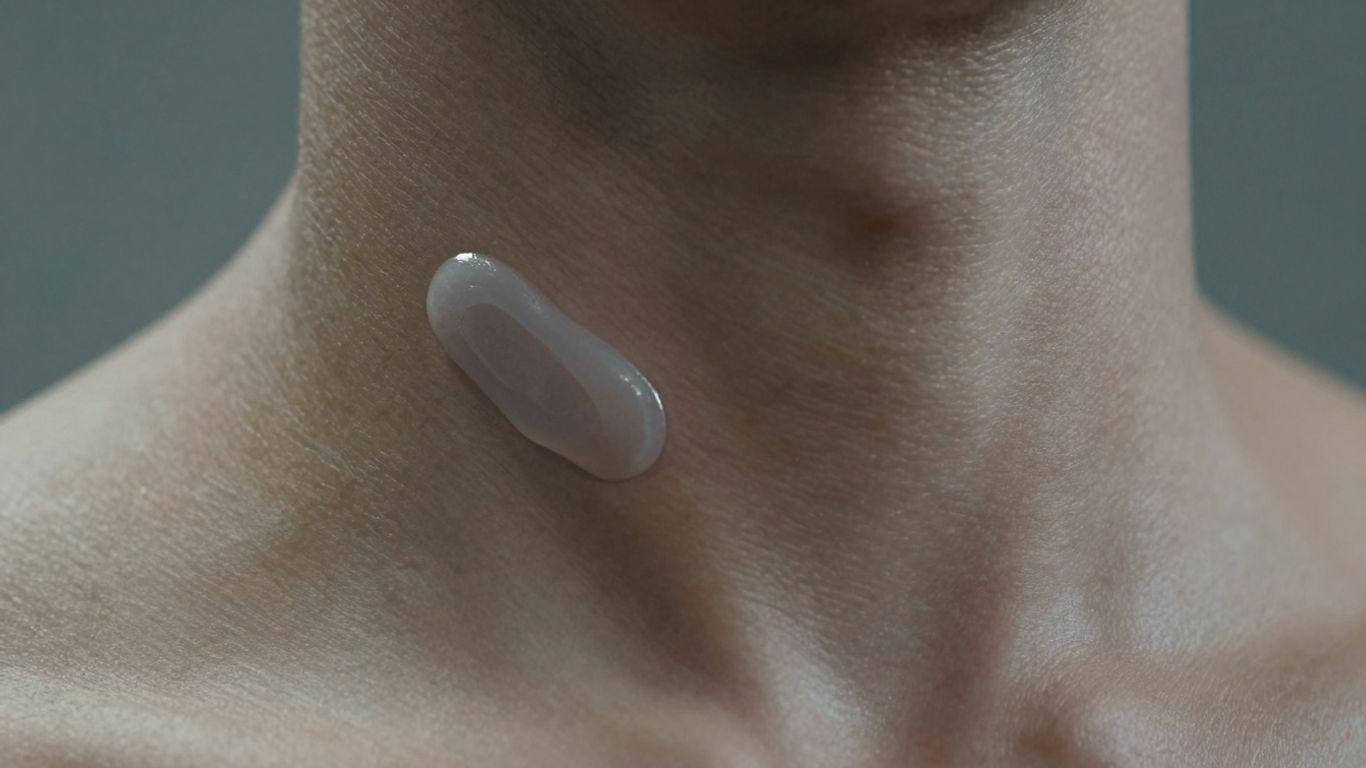
Living with chronic pain can really take a toll. It’s not just the physical ache; it messes with your mood, your sleep, and just about everything else. You might feel like you’re the only one going through it, but a lot of people in the US deal with this every day. For many, finding relief feels like a constant uphill battle, especially if regular treatments haven’t quite hit the mark.
The Painful Truth About Chronic Pain
Chronic pain is more than just a temporary discomfort. It’s a persistent condition that can significantly disrupt daily life, affecting physical abilities, mental well-being, and emotional state. This can lead to a cycle of issues, including:
-
Depression
-
Anxiety
-
Fatigue
-
Trouble sleeping
It’s estimated that millions of adults in the US experience chronic pain, and for a large portion of them, it’s a high-impact condition that limits their activities. If you’ve tried various medications or therapies without finding lasting relief, it’s understandable to feel discouraged. But there’s hope.
Understanding Spinal Cord Stimulation
Spinal Cord Stimulation (SCS) is a treatment option that works differently from traditional methods. Instead of masking pain with medication, SCS uses small electrical impulses to change the signals that travel from your spinal cord to your brain. Think of it as rerouting the message so your brain doesn’t register the pain as intensely. While SCS doesn’t fix the original cause of the pain, it has helped many people regain control of their lives for decades.
SCS therapy can offer:
-
Effective pain reduction
-
Improvements in overall quality of life
-
Better movement and sleep quality
-
A chance to reduce reliance on pain medications
How SCS Therapy Works
At its core, SCS involves a small device that sends mild electrical pulses to the spinal cord. These pulses are delivered through tiny wires, called leads, which are placed near the spinal cord. The pulses are designed to interrupt or mask the pain signals. The system is typically made up of these thin leads and a small implanted stimulator. You usually get a handheld programmer, kind of like a remote control, which lets you adjust the stimulation to find what works best for you. It’s a way to actively manage your pain signals.
The goal of SCS is to change the way your brain perceives pain signals, offering a different path to relief when other methods haven’t been successful. It’s about finding a way to manage the sensation so you can focus on living your life.
Exploring Innovative Pain Relief Implants & Services

When you’re dealing with chronic pain, it feels like everything else in your life gets put on hold. You’ve probably tried a lot of things already, and maybe some helped a little, but you’re still looking for something that really makes a difference. That’s where the newer implantable devices and therapies come into play. They’re not just about blocking pain signals; they’re getting smarter and more personalized.
The Prospera SCS System Advantage
The Prospera Spinal Cord Stimulation (SCS) System is one example of how this technology is advancing. It uses something called RESONANCE™ therapy, which is designed to work with how your body naturally processes pain. The idea is to stimulate a wider area of nerves, not just a pinpoint spot. This approach has shown some really positive results for people.
-
82% of patients reported a significant reduction in their overall pain.
-
Patients generally saw improvements in their quality of life, including better sleep.
-
The system is designed to be a reliable way to manage chronic pain.
Resonance Therapy for Broader Nerve Stimulation
Think of it like tuning a radio. Instead of just hitting one frequency, RESONANCE™ aims to cover a broader range. This means it can potentially reach more of the nerves that are sending those pain signals. It’s a more comprehensive way to try and interrupt the pain messages before they get to your brain. This broader stimulation is key to why many find it effective for different types of chronic pain.
Personal Perspectives on Pain Relief
It’s one thing to read about the technology, but it’s another to hear from people who have actually used these systems. Many patients share stories about how devices like Prospera have helped them get back to doing things they love, things they thought they’d never do again because of their pain. These personal accounts really highlight the potential impact these innovations can have on daily life.
Hearing from others who have walked a similar path can be incredibly encouraging. It shows that while chronic pain is tough, there are advanced options available that are making a real difference for people just like you.
The Technology Behind Pain Relief Implants & Services
Thin Leads and Implanted Stimulators
At the core of many advanced pain relief systems are tiny, flexible leads and a small implanted stimulator. Think of the leads as super-thin wires, almost like hair, that are carefully placed near specific nerves, often in your back. These leads connect to a small device, the stimulator, which is also implanted under the skin. This setup is designed to be discreet and work with your body’s natural systems. The goal is to get these components precisely positioned to interact with the nerves that are sending those pain signals.
How Stimulation Interrupts Pain Signals
Once the leads and stimulator are in place, the magic happens. The implanted stimulator sends out mild electrical impulses through the leads. These impulses are designed to communicate with your nerves. They don’t necessarily ‘fix’ the source of the pain, but rather, they work to mask or interrupt the pain signals before they can travel all the way to your brain. It’s like changing the radio station to something else so you don’t hear the static. This process can significantly change how your brain perceives pain.
Controlling Your Therapy with a Programmer
What’s really neat about these systems is that you’re often in control. You’ll usually receive a device that looks a bit like a smartphone or a small remote. This programmer lets you adjust your therapy. You can turn it on or off, change the intensity of the stimulation, or even switch between different programs designed for various activities or times of day. This gives you the flexibility to manage your pain relief as needed throughout your daily life. It’s about making the technology work for you, not the other way around.
Benefits of Modern Pain Relief Implants & Services
Living with chronic pain can really take a toll, not just on your body but on your whole life. It affects your mood, your sleep, and honestly, just your ability to do everyday things. That’s where these advanced pain relief implants and services come in. They’re designed to make a real difference.
Effective Pain Reduction and Quality of Life Improvements
One of the biggest wins with these modern systems is how well they can cut down on pain. Think about it: if the pain signals aren’t getting through to your brain as strongly, you can actually start to feel like yourself again. Many people report a significant drop in their pain levels, sometimes by half or more. This isn’t just about feeling less pain; it’s about getting back to activities you enjoy, spending more time with family, and just generally feeling more present in your own life. It’s a big deal when you’ve been dealing with constant discomfort for years. Studies show that spinal cord stimulators can lead to substantial pain relief for many patients, helping them reclaim their days. significant overall pain reduction
Enhanced Movement and Sleep Quality
When pain is dialed down, your ability to move often improves too. You might find yourself walking further, bending more easily, or just feeling less stiff. This improved mobility can make a world of difference in your daily routine. And let’s not forget sleep. Chronic pain is notorious for disrupting sleep, leading to fatigue and making everything feel harder. By reducing pain, these systems can help you fall asleep faster and stay asleep longer. Waking up feeling more rested can change your entire outlook on the day.
Reduced Dependence on Medication
For many people, chronic pain means a steady diet of pain medications, including opioids. While these can offer temporary relief, they often come with a host of unwanted side effects and the risk of dependence. Advanced implants offer a way to manage pain without relying so heavily on pills. This can mean fewer side effects, less worry about addiction, and a safer, more sustainable approach to long-term pain management. It’s about finding a balance that allows you to live comfortably and safely.
The goal of these technologies is to provide a more targeted and less intrusive way to manage persistent pain, aiming to improve daily function and overall well-being without the widespread side effects associated with some traditional treatments.
Your Journey with Pain Relief Implants & Services
The Prospera SCS System Trial Period
Thinking about spinal cord stimulation (SCS) can feel like a big step, and it is. But the good news is you don’t have to commit right away. The Prospera SCS system offers a trial period, which is a really smart way to see if it’s the right fit for you before making any long-term decisions. It’s like test-driving a car before you buy it, but for pain relief. This trial involves placing temporary leads near your nerves, connected to a small external device you wear. You then go about your normal life for a bit, seeing firsthand how it feels and if it helps manage your pain. It’s a practical way to experience the potential benefits firsthand.
MRI Compatibility for Real-Life Needs
Life doesn’t stop just because you have a pain management system. We all need medical imaging sometimes, and that’s where MRI compatibility comes in. The Prospera SCS system is designed to allow for full-body MRI scans under normal conditions. This means you can get the diagnostic scans you might need without the added worry of whether your implant will interfere. It’s about making sure your pain relief solution fits into your actual life, not the other way around.
Proactive Care with Dedicated Support Teams
Once you start with an SCS system, you’re not alone. The Prospera system comes with what’s called an Embrace One Care Team. These are dedicated specialists who check in with you regularly, often remotely. They monitor how your therapy is working, discuss any pain relief progress, and can help make adjustments if needed. It’s a proactive approach to your care, ensuring your system is always working its best for you. Think of them as an extra layer of support, focused on helping you get the most out of your treatment and improve your quality of life.
The Future of Pain Relief Implants & Services
It’s pretty wild to think about how far pain relief technology has come, and honestly, it’s not slowing down. We’re moving beyond just managing pain to a whole new level of personalized treatment. One of the most exciting developments is the ultrasound-induced wireless implantable (UIWI) stimulator. This isn’t your typical implant; it’s flexible, bends with your body, and gets its power wirelessly from a small device you wear. No more batteries to worry about!
Ultrasound-Induced Wireless Implantable Stimulators
This UIWI system is a real game-changer. It uses ultrasound waves to power a tiny implant near your spine. The implant then sends electrical signals to block pain. What’s really neat is that it’s designed to adapt. It can even be controlled by a smartphone app, making adjustments to your pain relief on the fly. Researchers have shown it works in lab tests, reducing pain signals effectively. They’re even looking at ways to make the implant even smaller, maybe even insertable with a simple needle.
AI-Driven Personalized Pain Management
Artificial intelligence is really starting to play a big role here. Imagine a system that can actually read your body’s signals and figure out how much pain you’re in, then adjust the stimulation automatically. That’s what AI-driven systems are aiming for. One system uses AI to analyze brain signals, figuring out if you’re feeling slight, moderate, or extreme pain with impressive accuracy. This allows for treatment that’s tailored specifically to you, in real-time. It’s a big step up from one-size-fits-all approaches.
Minimally Invasive and Adaptive Treatment Options
The trend is definitely towards less invasive procedures and treatments that can change as your needs do. Think about implants that are so small they can be placed with minimal disruption, or systems that can adjust their output based on your activity level or even your mood. The goal is to make pain relief more effective, less intrusive, and more integrated into your daily life. This kind of adaptive treatment could mean a significant improvement in quality of life for millions. It’s all about creating future orthopedic implants that work smarter, not just harder, to help you feel better.
Ready to Reclaim Your Life?
Living with constant pain can really wear you down, affecting everything from your mood to your sleep. But it doesn’t have to be your forever story. Advanced pain relief implants and the support services that come with them are changing the game for so many people. Think about what life could be like with less pain – more time with family, enjoying hobbies, or just getting through the day without that constant ache. If you’re tired of pain holding you back, it might be time to talk to your doctor about options like spinal cord stimulation. It’s a step towards a more active and fulfilling life, and you deserve to feel your best.
Frequently Asked Questions
What exactly is spinal cord stimulation (SCS) therapy?
Spinal cord stimulation therapy uses tiny electrical pulses to talk to your nerves. These pulses travel through small wires placed near your spine and help block pain signals from reaching your brain. Think of it like a detour for pain messages, so your brain doesn’t get them.
How does the Prospera SCS System help with pain?
The Prospera SCS System is designed to give you reliable relief from long-lasting pain. It has a special feature called RESONANCE™ that helps stimulate a wider area of your nerves. Many people using it have found their pain got much better, and their overall quality of life improved, including their sleep.
Can I try SCS therapy before deciding on it permanently?
Yes! With the Prospera SCS System, you can try it out first. Small, temporary wires are placed, and you wear a small device outside your body. This lets you see how it feels and if it helps your pain during your normal daily activities before you commit to a permanent implant.
What kind of technology is used in these pain relief implants?
These systems use very thin wires, called leads, that go near your nerves. These leads connect to a small device implanted under your skin. This device sends gentle electrical signals through the leads to interrupt pain signals. You also get a handheld programmer to control your therapy.
Will I still be able to get MRIs with an SCS system?
Many modern SCS systems, like the Prospera SCS System, are designed to be MRI compatible. This means you can still get important full-body MRI scans when you need them, usually under normal conditions, without having to remove the implant.
What are the main benefits of using these advanced pain relief systems?
The biggest benefits are significant pain reduction and a better quality of life. People often find they can move more easily, sleep better, and rely less on pain medications, especially strong ones like opioids. It’s all about helping you get back to doing the things you enjoy.
Our Services
Treatments and Therapies
Cervical Treatments
Epidural Steroid Injection
Thoracic Treatments
Epidural Steroid Injection
Lumbar Treatments
Lumbar Epidural Steroid Injections

Cutting Edge Pain Treatments
Dorsal Root Ganglion Therapy

Implants & Services
Peripheral Nerve Blocks

Rejuvenation Therapies
Dr. Kaplan uses a number of therapies
We’d Love To Hear From You!
Call 512-255-7246 or click below to schedule an appointment.