

Cutting Edge Pain Treatments
Dealing with ongoing pain can really mess with your life. You know, the kind that just doesn’t quit.
For a long time, it felt like our only real options were pills or maybe surgery, and those don’t always work out great.
But thankfully, things are changing. We’re seeing some really cool new ways to tackle pain that go way beyond just numbing it.
These cutting edge pain treatments are all about finding relief that actually lasts, by working with your body or even retraining your nerves.
Current Cutting Edge Pain Treatments
- Conventional pain treatments often only mask symptoms, leading to dependency and side effects, rather than fixing the root cause.
- Cutting-edge pain treatments like Scrambler Therapy can ‘rewrite’ pain signals, offering significant relief without needles.
- Neuromodulation techniques, such as spinal cord stimulation and nerve stimulation, use electrical signals to manage pain signals.
- Regenerative medicine, using options like PRP and stem cells, helps your body heal itself to address the source of pain.
- Advanced interventional procedures and non-invasive technologies offer targeted, less invasive ways to manage chronic pain effectively.
Understanding The Science Behind Chronic Pain
Why Conventional Treatments Sometimes Fall Short
So, you’ve been dealing with pain for a while now. Maybe you’ve tried the usual stuff – pills, maybe a few injections.
For some people, that works just fine. But for many, it’s like putting a band-aid on a broken bone.
Conventional treatments often focus on just silencing the pain signals, kind of like turning down the volume on your smoke alarm instead of checking for a fire.
This can lead to a cycle where the pain comes back as soon as the medication wears off, or worse, you end up dealing with side effects and the risk of becoming dependent on the medication.
It’s not that these treatments are bad, they just don’t always get to the root of what’s going on, especially when pain sticks around for months or even years.
How Pain Signals Travel Through The Body
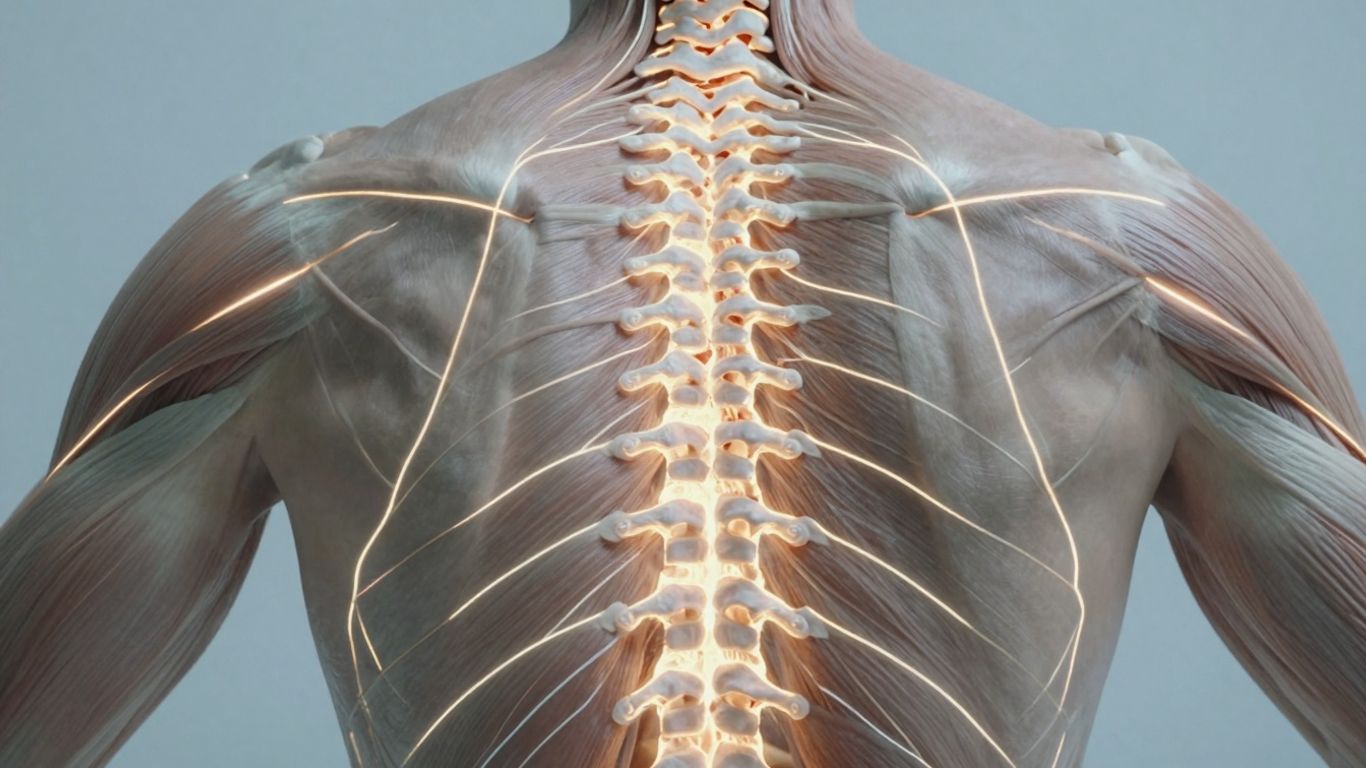
Think of your body like a complex electrical system. When something’s wrong, like a stubbed toe or a pulled muscle, tiny sensors called nociceptors pick up on the potential damage.
They then send electrical messages zipping along your nerves. These signals travel up your spinal cord, which acts like a busy switchboard.
Here, the signals can be amplified, dampened, or even rerouted. From the spinal cord, the messages continue their journey to your brain.
Your brain then takes all this information – the intensity, the location, even your past experiences and emotions – and creates what you perceive as pain.
It’s a pretty intricate process, and it’s why two people with the exact same injury might feel pain very differently.
The Malfunctioning Gate Control System
There’s a theory called the Gate Control Theory of Pain.
Basically, your spinal cord has a sort of “gate” that can either let pain signals pass through to your brain or block them. Normally, this gate works pretty well, helping to manage how much pain you feel.
But in chronic pain, this gate can get stuck open, or it might start letting through signals that aren’t even painful, like a light touch.
This happens because the nervous system itself can become overly sensitive, a process sometimes called central sensitization. It’s like the alarm system in your house has become so sensitive that it goes off every time a leaf blows past the window.
This hypersensitivity means your brain is constantly receiving pain messages, even when there’s no ongoing injury to justify it, making relief a real challenge.
Non-Invasive Cutting Edge Pain Treatments
Sometimes, the idea of needles or surgery just isn’t appealing, or maybe it’s just not the right fit for your specific pain.
Luckily, there are some really neat ways to tackle pain without breaking the skin. These methods are all about working with your body’s natural signals or using technology to interrupt those pain messages.
Scrambler Therapy: Rewriting Pain Signals
Think of Scrambler Therapy as a way to confuse your pain signals. It uses a special device that sends “non-pain” electrical messages along the same nerves that are sending pain signals.
It’s like sending a different, more pleasant message that overwrites the pain. The idea is that your brain starts to interpret these new signals as normal, and the pain message gets lost in translation.
Many people report feeling relief almost immediately, and this comfort can last for a good while, sometimes months. It’s been used for things like nerve pain from diabetes or even pain related to cancer.
Virtual Reality For Pain Management
This one sounds a bit like science fiction, but virtual reality (VR) is actually proving to be a pretty effective tool for pain.
When you put on a VR headset, you’re completely immersed in a different world. This immersion can distract your brain from focusing on pain. It’s not just about playing games; VR experiences can be designed to be calming, engaging, or even therapeutic.
By shifting your attention and altering your brain’s perception, VR can help reduce the intensity of pain you feel. It’s especially helpful for acute pain, like during medical procedures, but research is showing it can help with chronic pain too.
Topical Cannabinoids For Localized Relief
For pain that’s bothering a specific spot, like a sore joint or muscle, topical cannabinoids are becoming a popular option.
These are creams, balms, or lotions that you apply directly to your skin. They contain compounds derived from cannabis, like CBD or THC, which interact with receptors in your skin and underlying tissues.
Unlike taking medication orally, topicals work locally, meaning they target the area where you apply them without affecting your whole body. This can provide targeted relief from inflammation and pain with fewer side effects than some other treatments.
The convenience and localized action make them a great choice for managing everyday aches and pains.
Neuromodulation: Advanced Pain Therapy Options
Spinal Cord Stimulation For Lasting Relief
When pain just won’t quit, sometimes we need to talk to the nerves directly. That’s where neuromodulation comes in.
Think of it like rerouting a faulty electrical wire. Instead of letting pain signals scream all the way to your brain, we intercept them.
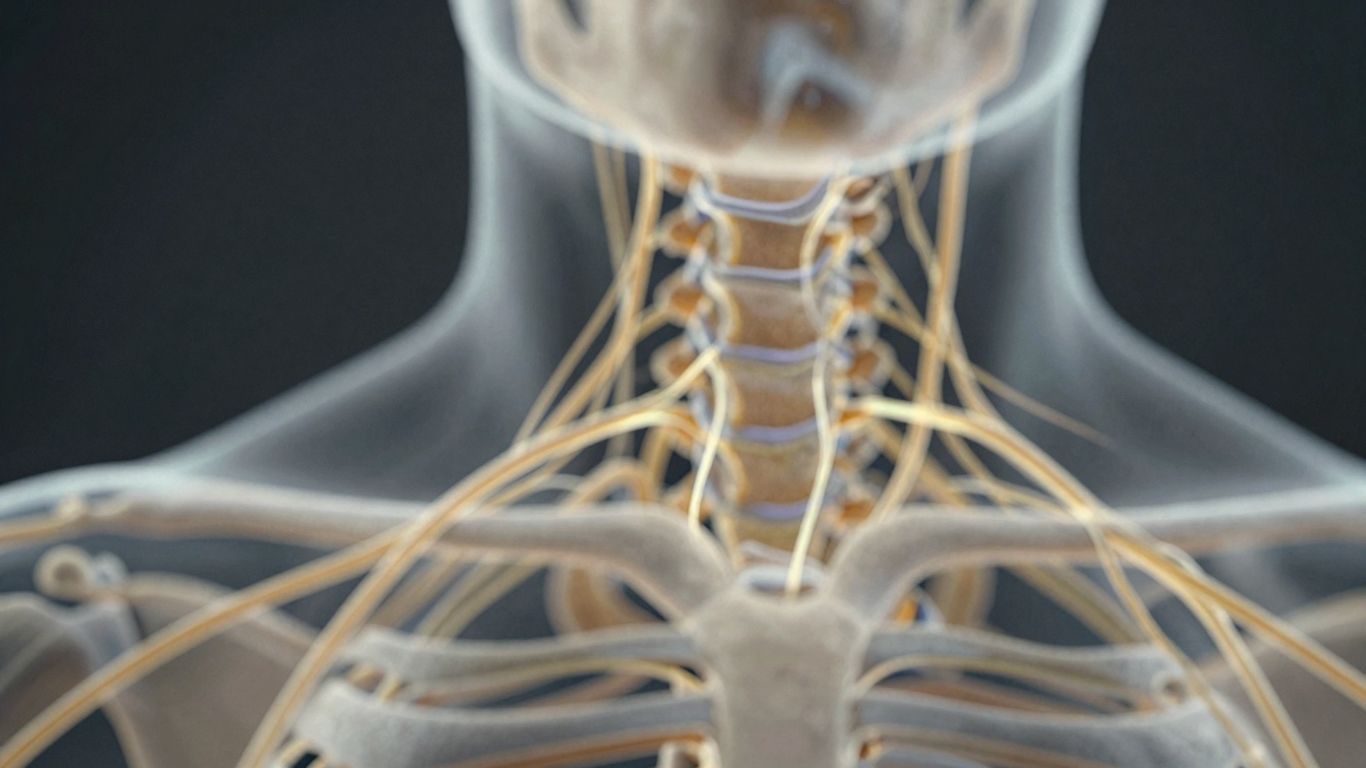
Spinal Cord Stimulation (SCS) is a big player here. Tiny wires, called leads, are placed near your spinal cord. These leads connect to a small device, like a pacemaker, that sends out gentle electrical pulses.
These pulses essentially tell the pain signals to take a different route, or sometimes, to just stop altogether.
It’s not about blocking the pain completely, but rather changing how your brain perceives it.
For many people with chronic back pain, especially after surgery hasn’t quite done the trick, SCS can be a real game-changer, offering a way to get back to daily life without constant discomfort.
High-Frequency SCS Without Paresthesia
Now, older SCS systems often came with a side effect: a tingling sensation, called paresthesia. For some, this was fine, even comforting. But for others, it was just another sensation to deal with, and it didn’t always cover the pain effectively.
That’s where the newer high-frequency SCS (HF-SCS) systems really shine. These advanced systems work at a much higher frequency, around 10 kHz. The really cool part? They can provide significant pain relief without that tingling feeling.
This means you get the benefit of reduced pain without any distracting sensations. It’s a big step forward, especially for conditions like diabetic neuropathy, where pain can be intense and hard to manage with other methods.
Research is showing that this paresthesia-free approach can lead to sustained pain reduction and a better quality of life.
Targeted DRG And Peripheral Nerve Stimulation
Sometimes, pain isn’t everywhere; it’s localized to a specific area. For these more pinpointed pain issues, we have even more targeted neuromodulation options.
Dorsal Root Ganglion (DRG) stimulation focuses on a specific cluster of nerves, the DRG, which acts like a relay station for pain signals from certain body parts.
By stimulating the DRG, we can precisely target pain in areas like the foot, knee, or groin, which can be tricky with traditional SCS. Then there’s Peripheral Nerve Stimulation (PNS).
This is even more specific, involving placing electrodes right next to the particular nerve that’s causing trouble.
It’s ideal for things like chronic headaches, such as occipital neuralgia, or pain after an injury to a specific nerve.
These targeted approaches allow us to fine-tune the treatment to the exact source of the pain, offering relief where other methods might have missed the mark.
Regenerative Medicine: Accelerating Natural Healing
Sometimes, our bodies just need a little nudge to get back on track. That’s where regenerative medicine comes in.
Instead of just managing pain symptoms, these treatments aim to fix the underlying issues by tapping into your body’s own repair systems.
Think of it as giving your body the tools it needs to heal itself, but faster and more effectively. This approach is changing the game for chronic pain, offering hope where other methods haven’t quite hit the mark.
It’s all about using your natural healing abilities to restore function and get you back to feeling like yourself again. We’re seeing some really promising results with these therapies, and they’re becoming a bigger part of pain management every day.
Platelet-Rich Plasma Injections
Platelet-rich plasma, or PRP, is a big player in regenerative medicine.
It starts with a simple blood draw from your own body. Then, special equipment concentrates the platelets, which are packed with growth factors.
These growth factors are like little messengers that tell your body to start repairing damaged tissue. When this concentrated PRP is injected into an injured area, it kicks off a more robust healing response.
It’s particularly helpful for things like osteoarthritis, tendon injuries, and ligament tears. It’s like giving your body a supercharged healing boost right where it’s needed most. The process is straightforward, and many people find it offers significant relief.
You can learn more about how PRP works on pages discussing regenerative medicine.
Stem Cell Concentrates and Growth Factors
Taking things a step further, stem cell concentrates and growth factors represent the cutting edge of this field.
Stem cells are like the body’s master repair cells; they can turn into different types of cells and help rebuild damaged tissue. When used in treatments, they work to regenerate tissue rather than just mask the pain.
Growth factors, often used alongside stem cells or in other forms like platelet lysate, also play a key role in signaling and directing the healing process. These treatments are designed to address the root cause of the pain by helping your body fix the actual problem.
It’s a more involved process, but the goal is lasting healing and improved function.
Harnessing Your Body’s Repair Abilities
Ultimately, regenerative medicine is all about working with your body, not against it. It’s a shift from simply treating symptoms to actively promoting healing and restoration.
The techniques involved, like PRP and stem cell therapies, are designed to amplify your body’s natural capacity to repair itself. This can lead to more sustainable pain relief and a better quality of life.
It’s a hopeful area of medicine that continues to evolve, offering new possibilities for those struggling with chronic pain.
The focus is on long-term recovery and getting your body back to its optimal state. It’s a fascinating approach that really highlights the incredible power of our own biology.
Cutting Edge Interventional Procedures
When pain just won’t quit, sometimes we need to get a little more hands-on, but in a good way.
That’s where interventional procedures come in. Think of them as highly targeted fixes that go right to the source of the problem, often with way less downtime than traditional surgery.
These aren’t your grandma’s operations; they use tiny tools and advanced imaging to make repairs or block pain signals with minimal fuss.
Radiofrequency Ablation Techniques
Radiofrequency ablation, or RFA, is pretty neat. It uses heat generated by radio waves to essentially turn down the volume on specific nerves that are sending pain signals.
It’s often used for things like chronic back or neck pain, or even knee pain. The idea is to carefully heat and disrupt the nerve fibers that are causing the trouble, without damaging the surrounding tissues.
It’s a minimally invasive way to get relief that can last for months, sometimes even longer. It’s not a permanent fix, but it can give your body a much-needed break from constant pain signals.
Cryoanalgesia For Nerve Pausing
Similar in concept to RFA, cryoanalgesia uses extreme cold instead of heat. A special probe is used to freeze and temporarily disable the pain-carrying nerves. This “pausing” effect can provide significant relief, and like RFA, it’s often used for conditions like chronic joint pain or nerve pain.
The advantage here is that the nerve can often regenerate over time, meaning the procedure can be repeated if the pain returns. It’s a gentler approach for some patients who might not be candidates for heat-based treatments.
Minimally Invasive Fusion Options
For certain types of chronic pain, especially in the spine, fusion procedures might be necessary. Traditionally, this involved quite a bit of surgery. Now, minimally invasive techniques allow surgeons to fuse vertebrae together using smaller incisions and specialized instruments.
This means less disruption to your muscles and tissues, leading to a quicker recovery. The goal is to stabilize a painful segment of the spine, stopping the motion that’s causing the discomfort. While it’s still a fusion, the “minimally invasive” part makes a big difference in how quickly you can get back to your life.
These interventional techniques represent a significant leap forward in pain management. By focusing on precision and minimizing tissue disruption, they offer a path to relief with reduced risks and faster recovery times compared to older methods. It’s about getting you back to feeling like yourself again, sooner.
Here’s a quick look at what makes these procedures stand out:
- Reduced Recovery Time: Many patients can go home the same day or the next.
- Smaller Incisions: Less scarring and less trauma to the body.
- Targeted Relief: Directly addresses the source of the pain.
- Potential for Repeatability: Some procedures can be repeated if pain returns.
The Future Of Pain Management
Personalized Treatment Approaches
It’s becoming clear that a one-size-fits-all approach just doesn’t cut it when it comes to chronic pain. The future is all about tailoring treatments to you. Think about it: your pain is unique, stemming from your specific body, your history, and your lifestyle. So why should your treatment be generic?
Doctors are starting to use more detailed information, like genetic markers and even how your body responds to different stimuli, to figure out the best plan. This means less trial-and-error and more direct routes to relief. We’re moving towards treatments that are as individual as your fingerprint.
Technological Innovations in Podiatry
Even specialized fields like podiatry are seeing some really cool tech pop up. For foot and ankle pain, things like 3D scanning for custom orthotics are making a big difference. Instead of generic inserts, you get something made just for your foot’s shape and how you walk.
There’s also microwave therapy for things like plantar warts that’s way less painful than older methods. And for nerve pain in the feet, new ways to stimulate nerves or block them precisely are offering hope without relying on pills.
Addressing Policy and Insurance Limitations
This is a big one, honestly. All these amazing new treatments – the neuromodulation, the regenerative stuff, even advanced therapies like Scrambler Therapy – are fantastic, but they’re not always easy to get. Insurance companies can be slow to catch up with medical advancements.
Sometimes, they still prefer to cover older, less effective methods. This creates a real barrier for people who could benefit the most. Advocates are working to change policies so that these cutting-edge, often non-addictive treatments become more accessible.
It’s a slow process, but getting these therapies covered is key to making them a real part of mainstream pain care.
Looking Ahead: A Brighter Future for Pain Relief
So, it’s clear that the days of just relying on pills or hoping for the best are fading. We’ve seen how new approaches, from using light and virtual reality to helping your body heal itself with things like PRP, are really changing the game.
These aren’t just quick fixes; they’re about getting to the bottom of why you hurt and finding ways to make that pain go away for good. It’s an exciting time because it means more people can finally get the lasting relief they deserve and get back to living their lives without constant pain holding them back.
If you’re tired of the same old routine, it might be time to ask your doctor about these newer, smarter options.
Frequently Asked Questions
What are some new ways to treat long-lasting pain besides just taking medicine?
There are many exciting new treatments that go beyond pills! Some use special electrical signals to trick your nerves into sending less pain information, like Scrambler Therapy or spinal cord stimulation. Others help your body heal itself using things like your own blood (PRP) or special cells (stem cells). Even virtual reality can help distract your brain from pain!
How does Scrambler Therapy work?
Scrambler Therapy is pretty neat. It uses a device that sends ‘fake’ signals that tell your nerves, ‘Everything is okay, no pain here!’ These fake signals overwrite the real pain signals your nerves are sending, like changing the channel on a TV. Many people find relief that can last for months after a few sessions.
Can virtual reality actually help with pain?
Yes, it can! When you’re fully immersed in a virtual world, your brain gets busy with that experience. This can change how your brain processes pain signals, making the pain feel less intense. It’s like giving your brain something more interesting to focus on than the hurt.
What is ‘neuromodulation’?
Neuromodulation means changing how your nerves send signals. Think of it like adjusting the volume on a radio. Treatments like spinal cord stimulation or nerve stimulation use tiny electrical signals to ‘turn down’ the pain messages going to your brain, helping you feel less pain.
How do treatments like PRP injections help my body heal?
PRP stands for Platelet-Rich Plasma. It’s made from a small amount of your own blood that’s specially prepared. Platelets are like tiny helpers in your blood that start healing. When injected into an injured area, PRP gives your body a big boost to repair itself faster and more effectively.
Are these new treatments safe?
For the most part, these advanced treatments are considered safe and have fewer side effects than long-term medication use. Many are minimally invasive, meaning they don’t require major surgery. However, like any medical procedure, it’s important to discuss the specific risks and benefits with your doctor to see if they’re right for you.
Our Services
Treatments and Therapies
Cervical Treatments
Epidural Steroid Injection
Thoracic Treatments
Epidural Steroid Injection

Lumbar Treatments
Lumbar Epidural Steroid Injections

Cutting Edge Pain Treatments
Dorsal Root Ganglion Therapy

Implants & Services
Peripheral Nerve Blocks
Rejuvenation Therapies
Dr. Kaplan uses a number of therapies
We’d Love To Hear From You!
Call 512-255-7246 or click below to schedule an appointment.