

Cervical Treatments
Neck pain, or cervical pain, is something a lot of us deal with. It can make simple things like working at your computer or even driving feel tough. Whether it’s a nagging ache or a sharp pain, finding relief is key to getting back to your daily life. This article looks at different ways to tackle neck discomfort, from things you can do at home to more involved medical options. Let’s explore some effective cervical pain treatments.
Key Takeaways
- Many cervical pain treatments focus on non-surgical methods like physical therapy, pain relievers, and supportive devices to manage discomfort and improve neck function.
- Alternative therapies such as acupuncture, massage, and chiropractic care can offer additional relief by addressing muscle tension and spinal alignment.
- For more severe or persistent pain, advanced interventions like steroid injections or, in rare cases, surgery might be considered.
- Preventing future neck pain involves maintaining good posture, doing neck strengthening exercises, and making ergonomic adjustments to your daily environment.
- Understanding the specific cause of your cervical pain through proper diagnosis is the first step in choosing the most effective treatment plan.
Understanding Cervical Pain
Neck pain, or cervical pain, is something a lot of us deal with at some point.
It’s that stiffness or ache right in your neck that can range from a minor annoyance to a real pain in the neck, literally.
It can make simple things like turning your head or looking over your shoulder feel like a chore. Understanding why your neck is hurting is the first big step toward feeling better.
Common Causes of Cervical Pain
So, what actually causes this discomfort? Often, it’s just simple muscle strain.
Think about hunching over your phone for hours, sleeping in a weird position, or even a sudden awkward movement.
Your neck muscles can get tight and sore pretty easily. Then there’s the wear and tear that happens over time, like with degenerative disc disease, where the cushions between your neck bones start to break down.
Sometimes, a disc can even bulge or rupture, pressing on nerves and causing pain that might shoot down your arm. Arthritis can also play a role, stiffening up those neck joints.
- Muscle Strain and Tension: From poor posture, overuse, or sudden movements.
- Degenerative Disc Disease: Natural wear and tear on the discs in your neck.
- Herniated Discs: When the soft center of a disc pushes out.
- Arthritis: Affecting the joints in your cervical spine.
- Injuries: Like whiplash from a car accident.
It’s easy to dismiss neck pain as just a temporary ache, but sometimes it’s your body’s way of telling you something more is going on. Paying attention to the type and location of your pain can give you clues about the cause.
Diagnosing Your Neck Discomfort
Figuring out exactly what’s causing your neck pain is super important.
Your doctor will likely start by asking you questions about your pain – when it started, what makes it worse, and what it feels like. They’ll also do a physical exam, checking your neck’s range of motion and looking for tender spots.
Sometimes, to get a clearer picture, they might order imaging tests. X-rays can show bone issues or arthritis, while an MRI gives a detailed look at soft tissues like discs and nerves. A CT scan can also be helpful.
Getting a proper diagnosis is the first step in getting the most effective treatment.
| Diagnostic Tool | What it Shows |
|---|---|
| Physical Exam | Range of motion, tenderness, muscle strength |
| X-ray | Bone structure, arthritis, disc space narrowing |
| MRI | Soft tissues (discs, nerves, muscles), inflammation |
| CT Scan | Detailed bone images, cross-sectional views |
Non-Surgical Cervical Pain Treatments
Physical Therapy for Neck Strength and Flexibility
When your neck is hurting, the last thing you might want to do is move it.
But often, gentle movement and specific exercises are key to getting better.
Physical therapy focuses on rebuilding strength in those tired neck muscles and improving how much your neck can move, or its flexibility.
A physical therapist will work with you to create a plan tailored to your specific pain.
This usually involves exercises to strengthen the muscles that support your neck and upper back, which can help prevent future strain.
They’ll also guide you through stretches to ease stiffness and improve your range of motion. Getting your neck moving safely is a big part of recovery.
Pain Medications and Muscle Relaxants
Sometimes, you just need a little help to manage the discomfort so you can actually do those physical therapy exercises.
Over-the-counter options like ibuprofen or naproxen can help reduce pain and swelling.
If your pain is more about tight, spasming muscles, a doctor might prescribe a muscle relaxant for a short period.
These can be really helpful for breaking the cycle of pain and muscle tightness. It’s important to talk to your doctor about what’s best for you, as these medications can have side effects.
Supportive Devices for Neck Immobilization
In certain situations, your doctor might suggest using a soft cervical collar, sometimes called a neck brace.
This isn’t usually for everyday wear, but it can be helpful after an injury like whiplash or if you’ve had surgery.
The idea is to give your neck a break, reduce stress on the cervical spine, and allow things to start healing without constant strain. Think of it as a temporary support system.
Heat and Cold Therapy Applications
These are simple, at-home remedies that can make a surprising difference.
Applying heat, like a warm compress or a heating pad, can help relax tight muscles and increase blood flow to the area, which aids healing.
Cold therapy, on the other hand, is great for reducing inflammation and numbing acute pain.
You can use an ice pack wrapped in a towel for this. Often, people find alternating between heat and cold provides the best relief. Experiment to see what feels best for your particular ache.
It’s important to remember that these non-surgical treatments are often the first steps taken to address neck pain. They focus on managing symptoms, improving function, and preventing the condition from worsening without the need for more invasive procedures. Working closely with your healthcare provider is key to finding the right combination of these therapies for your situation.
Exploring Alternative Cervical Pain Treatments
Sometimes, the usual routes for neck pain relief just don’t cut it, or maybe you’re looking for something a little different to complement your care.
That’s where alternative therapies come in. These methods often focus on the body’s natural healing abilities and can be a great addition to your pain management plan.
Acupuncture for Pain Relief
The ancient practice of acupuncture involves a trained professional inserting very thin needles into specific points on your body.
The idea is that this stimulates nerves and muscles, potentially helping to release natural pain-relieving chemicals.
Many people find it surprisingly relaxing and effective for easing neck stiffness and discomfort.
It might take a few sessions to really feel the benefits, but it’s generally considered safe when done by a certified acupuncturist.
Massage Therapy for Muscle Tension
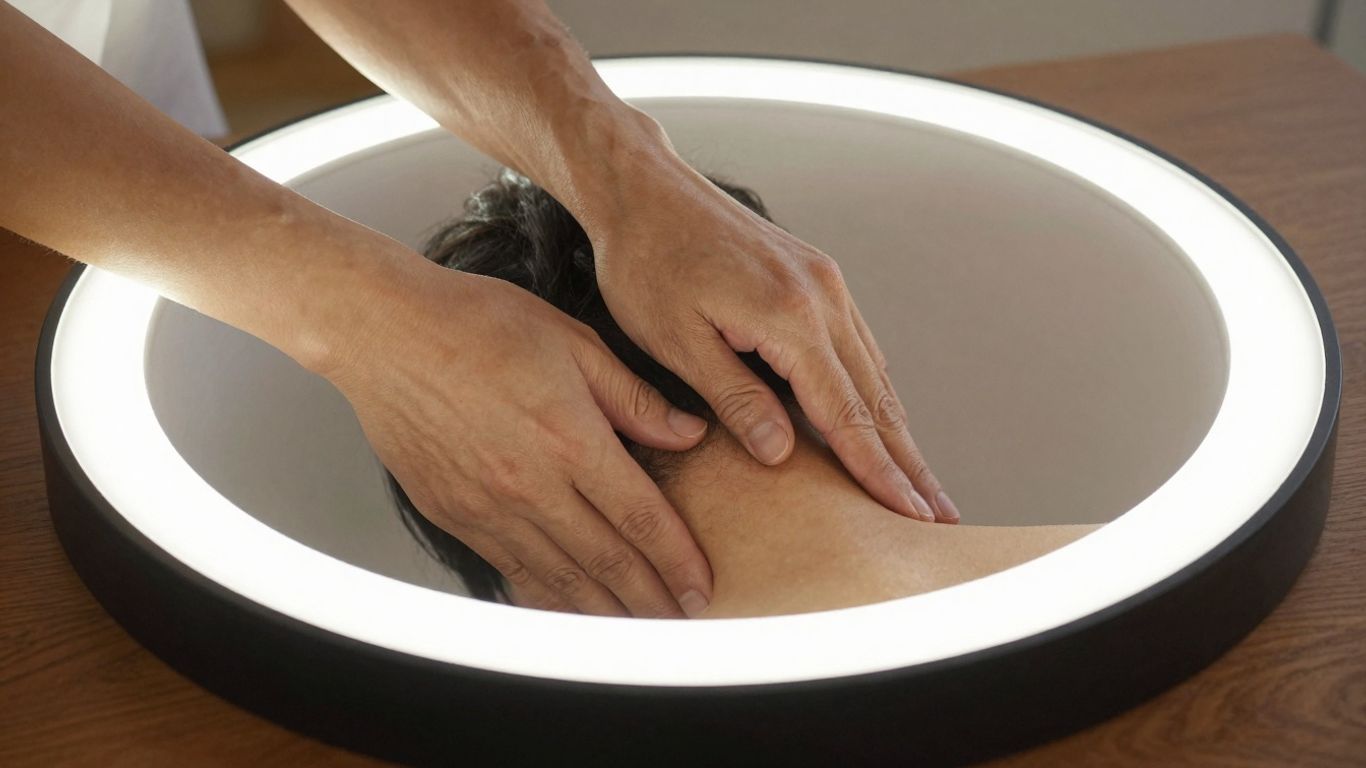
If your neck pain feels like it’s coming from tight, knotted muscles, massage therapy could be a good fit.
A massage therapist works on those tense areas, kneading and manipulating the muscles to help them relax.
This can improve blood flow to the area and reduce that tight, achy feeling.
It’s not just about feeling good in the moment; regular massage can help keep those muscles from getting so tight in the first place.
Chiropractic Adjustments for Spinal Alignment
Chiropractors focus on the relationship between your spine and your overall health.
For neck pain, a chiropractor might perform what’s called an adjustment – a quick, controlled force applied to a joint.
The goal is to improve spinal alignment and reduce nerve irritation.
Many folks report short-term relief from neck pain after these adjustments, and for most, the risks are pretty low when performed by a qualified chiropractor.
Mind-Body Practices for Well-being
Sometimes, stress and how we mentally approach pain can make it worse.
Practices like meditation, deep breathing exercises, or gentle yoga can help.
They teach you to focus on your breath and body, which can help calm your nervous system and reduce your perception of pain.
It’s about finding a sense of calm and control, even when your neck is bothering you.
It’s really important to chat with your doctor before trying any new alternative treatments. They can help you figure out if a particular therapy is a good idea for your specific situation and make sure it won’t interfere with any other treatments you’re getting.
Advanced Cervical Pain Interventions

When conservative treatments just aren’t cutting it for your neck pain, it’s time to look at some more involved options.
These advanced interventions are typically considered when pain is persistent or severe, or when there’s a specific underlying issue that needs direct attention.
It’s all about getting you back to feeling normal without that constant ache.
Steroid Injections for Inflammation
If inflammation is a major player in your neck pain, especially if it’s irritating a nerve, steroid injections can be a real game-changer.
A doctor injects a corticosteroid medication, often combined with a local anesthetic, directly near the affected area.
This can significantly reduce swelling and numb the pain, offering a window of relief.
It’s not a permanent fix, but it can provide enough comfort to allow you to engage more effectively in physical therapy or other treatments.
The goal is to break the cycle of pain and inflammation.
Regenerative Medicine Approaches
This is a more cutting-edge area, focusing on using your body’s own healing power. Think things like platelet-rich plasma (PRP) injections or stem cell therapy.
The idea is to stimulate tissue repair and regeneration in damaged areas of your neck. While still evolving, these treatments show promise for conditions involving disc degeneration or ligament injuries.
They’re generally considered for cases where other methods haven’t worked.
Surgical Options for Severe Cases
Surgery is usually the last resort, reserved for situations where the neck pain is debilitating and hasn’t responded to any other treatment.
This could involve procedures to decompress nerves, stabilize the spine, or fuse vertebrae.
The specific surgery depends entirely on what’s causing the problem, whether it’s a herniated disc, spinal stenosis, or instability.
The decision to undergo surgery is significant and requires thorough discussion with your orthopedic specialist.
It’s important to remember that even with advanced interventions, a holistic approach is often best. Combining these treatments with lifestyle changes and ongoing care can lead to the most sustained relief. Always consult with a qualified healthcare provider to determine the most appropriate path for your specific situation.
Preventing Future Cervical Pain
So, you’ve found some relief for your neck pain, that’s great! But what about keeping it from coming back? Prevention is definitely the name of the game here. It’s all about making smart choices in your daily life to give your neck a break and build up its resilience. Think of it as giving your neck the best possible support system.
Maintaining Good Posture Habits
This is a big one, seriously. How you hold yourself throughout the day makes a huge difference.
When you’re standing, try to keep your head balanced directly over your spine, not jutting forward. Imagine a string pulling you up from the crown of your head. Sitting is where a lot of us slip up.
Make sure your computer screen is at eye level so you’re not constantly looking down. Keep your feet flat on the floor and your back supported. Little adjustments now can save you a lot of discomfort later.
Incorporating Neck Strengthening Exercises
Just like any other muscle group, your neck muscles need to be strong and flexible to do their job properly. Weak neck muscles can lead to strain and pain.
Simple exercises can really help. Try some gentle chin tucks, where you pull your chin back as if making a double chin, holding for a few seconds.
Another good neck exercise is isometric neck exercises: gently press your hand against your forehead, then the side of your head, and the back of your head, resisting the movement with your muscles. Don’t push too hard, though; the goal is gentle strengthening.
Here are a few exercises for you to try:
- Chin Tucks: Sit or stand tall, gently draw your chin back towards your neck, creating a slight double chin. Hold for 5 seconds, release. Repeat 10 times.
- Neck Tilts: Slowly tilt your head towards your shoulder, trying to bring your ear closer to your shoulder without lifting your shoulder. Hold for 15-20 seconds, then repeat on the other side.
- Neck Rotations: Gently turn your head to look over one shoulder, hold for 15-20 seconds, then repeat on the other side.
Ergonomic Adjustments for Daily Activities
Think about how you interact with your environment. This applies to your workspace, your car, even how you sleep.
At work, ensure your chair and desk setup supports good posture. If you spend a lot of time on the phone, use a headset instead of cradling the phone between your ear and shoulder.
When driving, adjust your seat so you can reach the pedals comfortably without straining your neck.
Even your pillow matters! It should support the natural curve of your neck, keeping it aligned with your spine whether you sleep on your back or side.
Stomach sleeping is generally not recommended as it forces your neck into an unnatural position for extended periods.
Making small, consistent changes to how you sit, stand, and move can significantly reduce the strain on your neck. It’s about building habits that support your neck’s health rather than working against it.
Wrapping Up Your Neck Pain Journey
Dealing with neck pain can really throw a wrench in your day-to-day life, can’t it?
We’ve talked about a bunch of ways to find some relief, from simple things like heat and cold packs to more involved stuff like physical therapy and even injections.
Remember, figuring out what’s causing your neck pain is the first big step, and talking to a doctor is key to getting the right plan.
Don’t forget that taking care of your posture and moving regularly can make a big difference in preventing future aches.
It might take a little trial and error, but finding what works for you means you can get back to enjoying life without that constant neck discomfort.
Frequently Asked Questions
What are the most common reasons for neck pain?
Neck pain can pop up for many reasons! Often, it’s from tight muscles due to sitting or standing in a way that’s not great for your neck, or from doing the same movements over and over. Sometimes, the cushions between your neck bones wear down with age, or an injury like whiplash can cause it. Even looking down at your phone too much can strain your neck.
When should I see a doctor for neck pain?
If your neck pain is really bad, doesn’t get better after a few days of home care, or if you have numbness, tingling, or weakness in your arms or legs, it’s time to call a doctor. Also, if the pain started after a serious injury, you should get it checked out right away.
Can physical therapy help my neck pain?
Absolutely! Physical therapy is a fantastic way to help your neck. A therapist will show you special exercises to make your neck muscles stronger and more flexible. This can help support your neck better and reduce pain, so you can move more freely.
Are there medicines that can help with neck pain?
Yes, there are. Over-the-counter pain relievers like ibuprofen can help with pain and swelling. If your muscles are really tight and causing pain, your doctor might suggest a muscle relaxant. For more severe pain, stronger pain medicines might be prescribed.
What are some alternative ways to find relief from neck pain?
Some people find relief with things like acupuncture, where thin needles are placed in specific spots. Massage therapy can help loosen up tight muscles. Others try chiropractic care, which focuses on making sure your spine is lined up correctly. Even simple things like yoga or meditation can help manage pain and stress.
How can I prevent neck pain from coming back?
Good news! You can do a lot to keep neck pain away. Pay attention to your posture – try to sit and stand up straight. Take breaks when you’re working at a computer. Doing neck and shoulder exercises regularly can keep those muscles strong. Making sure your workspace is set up comfortably also makes a big difference.
Our Services
Treatments and Therapies

Cervical Treatments
Epidural Steroid Injection

Thoracic Treatments
Epidural Steroid Injection

Lumbar Treatments
Lumbar Epidural Steroid Injections

Cutting Edge Pain Treatments
Dorsal Root Ganglion Therapy

Implants & Services
Peripheral Nerve Blocks

Rejuvenation Therapies
Dr. Kaplan uses a number of therapies
We’d Love To Hear From You!
Call 512-255-7246 or click below to schedule an appointment.